Posted on Leave a comment

THE IMPORTANCE OF HAIR pH BALANCE FOR HEALTHY HAIR.

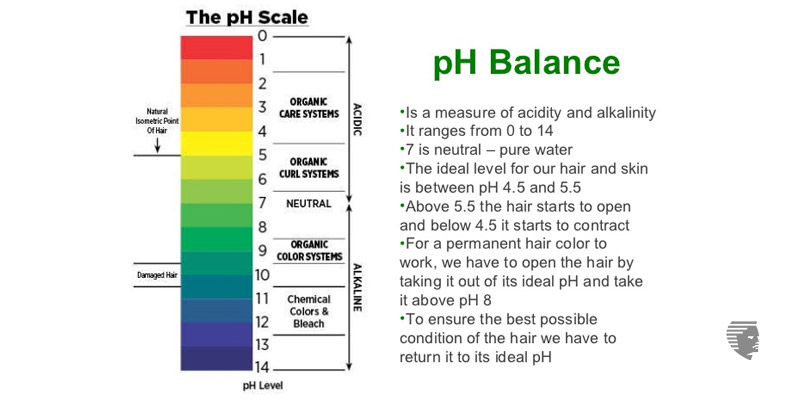
Hair pH balance refers to the level of acidity or alkalinity of your hair. On the pH scale, which ranges from 0 to 14, a pH of 7 is neutral, while a pH below 7 is acidic and above 7 is alkaline. Hair typically has a slightly acidic pH, ranging from 4.5 to 5.5. This natural acidity helps to keep cuticles closed, resulting in soft, shiny, and healthy looking hair.

Why Hair pH Balance is Important.

Maintaining the right pH balance is crucial for several reasons:

Prevents Damage: When your hair’s pH balance is off, it can lead to damage, dryness, and breakage.

Promotes Healthy Hair Growth: A balanced pH helps to create an ideal environment for hair growth.

Enhance Color and Shine: Proper pH balance helps to lock in color and moisture, resulting in vibrant, healthy looking hair.

Reduces Frizz and Flyaways: Balanced pH helps to smooth the hair cuticle, reducing frizz and flyaways.

Tips for Achieving and Maintaining Hair pH Balance

Use pH Balanced products: Choose shampoos, conditioners, and styling products that are formulated for your hair type and have a pH level close to your hair’s natural pH.

Avoid Harsh Products: Stay clear of products containing sulfates, parabens, and silicones, which can disrupt your hair’s pH balance.

Use a pH Balancing Treatment: Consider using a treatment product specifically designed to balance your hair’s pH.

Protect Your Hair from Environmental Factors: Use a hat or scarf to protect your hair from sun, wind, and pollution, which can disrupt pH balance.

The Science Behind Hair pH Balance.

To understand why hair pH balance is so important, we will have to look into the science behind it. Hair is made up of a protein called Keratin, which has a natural pH level of around 4.5-5.5. This acidity helps to keep the hair cuticle closed, resulting in soft, shiny, and healthy looking hair.
When your pH balance is disrupted it can lead to a range of problems. Your hair’s pH becomes too alkaline(above 7) it can cause the cuticle to lift, leading to dryness, brittleness, and breakage while if it is too acidic,(below 4.5), it can cause the cuticle to contract, leading to frizz, tangles, and damages.

How to Test Your Hair pH Level.

It is a simple process that can help you determine whether your hair’s pH balance is off. You can use a hair pH testing kit or consult with a hair professional who can help perform the test for you.

Common Signs of Imbalanced Hair pH.

Dryness and brittleness.

Frizz and tangles.

Breakage and split ends.

Dullness and lack of shine.

Color fade and dryness.

How to Restore Your Hair’s pH Balance.

Restoring your hair’s pH balance requires a combination of the right products, treatment, and hair care practices. Some of the tips includes:

Use pH balanced products that are formulated for your hair type.

Avoid using harsh products that contain sulfates, parabens, and silicones.

Use a pH balancing treatment once a week to help restore your hair’s natural pH balance.

Protect your hair from environmental factors like sun, wind, and pollution.

Hair pH balance is a critical aspect of hair care that’s often overlooked. By understanding the importance of pH and following the tips outlined in this post, you can help to create an ideal environment for healthy hair growth, prevent damage, and enhance color and shine. Achieving and maintaining hair pH balance takes time and patience, but the results are well worth the effort.

Posted on Leave a comment

10 Common Mistakes to Avoid When Transitioning to Natural Hair

Transitioning from relaxed or chemically-treated hair to natural hair is a personal and empowering journey. It involves patience, persistence, and a willingness to embrace the beauty of your natural texture. However, the transition process can be challenging, especially if you are not prepared for the unique requirements that come with caring for natural hair. Many people make mistakes during their natural hair transition, which can lead to frustration, breakage, or slower growth. If you’re considering the big chop or have already started your transition, avoid these common mistakes to ensure that your natural hair journey is as smooth as possible.

1. Not Understanding Your Natural Hair Texture

One of the first mistakes people make when transitioning to natural hair is not fully understanding their hair’s natural texture. When you’ve been using relaxers or other chemical treatments for years, you may have forgotten what your true hair texture looks like. It’s crucial to remember that natural hair is diverse — from loose waves to tight coils, and everything in between. Each texture requires different care techniques and products.

How to Avoid This Mistake: Spend some time experimenting with your hair before you make any major decisions. Wash your hair, apply a leave-in conditioner, and let it air dry to see its natural curl pattern. You may want to consult with a stylist who specializes in natural hair to help you understand your hair’s specific needs.

2. Rushing the Process

Transitioning to natural hair takes time. While it’s tempting to speed up the process and get to the ‘big chop’ phase quickly, rushing through the journey can result in unnecessary frustration and mistakes. A successful transition isn’t just about growing out your hair; it’s about learning how to care for your natural hair properly. Many people get disheartened when they see slow growth or uneven textures. It’s essential to be patient with your hair and give it the attention it needs to thrive.

How to Avoid This Mistake: Commit to the process by setting realistic goals. Set short-term goals such as maintaining healthy hair for a month, then progressing to larger goals like achieving specific hair length milestones. Remember, transitioning can take anywhere from several months to a year, depending on how long your hair is and how fast it grows.

3. Not Moisturizing Enough

Dryness is one of the biggest issues that people with natural hair face, especially during the transition period. Natural hair has a tendency to be drier than chemically-treated hair due to the curl pattern, which makes it harder for your scalp’s natural oils to travel down the hair shaft. If you don’t properly moisturize your natural hair, it can lead to breakage and hinder growth.

How to Avoid This Mistake: Moisturizing should be part of your daily hair care routine. Use water-based products like leave-in conditioners, hair creams, and oils to lock in moisture. The L.O.C. method (Liquid, Oil, Cream) is an excellent way to ensure that your hair stays moisturized. Don’t skip deep conditioning treatments, as they help hydrate your hair and restore its natural balance.

4. Using the Wrong Hair Care Products

Using products that are not suited for your natural hair can have a significant impact on its health. Many store-bought products designed for chemically-treated hair contain harsh ingredients that can dry out or damage natural hair. For instance, sulfate shampoos strip your hair of its natural oils, and alcohol-based products can dry out curls. Finding products specifically formulated for natural hair is key to maintaining your hair’s health and texture during the transition.

How to Avoid This Mistake: Research and select products that are natural hair-friendly. Look for sulfate-free shampoos, moisturizing conditioners, and styling creams that nourish your hair. Avoid products with alcohol, parabens, or silicones, as these can weigh down your curls or cause product buildup. If you’re unsure, experiment with different product lines until you find the right combination for your hair.

5. Skipping Regular Trims

As your hair grows out during the transition, it’s common to experience two different textures: your natural hair and the relaxed ends. This can lead to tangling, breakage, and split ends. While it may seem counterintuitive to cut your hair when you’re trying to grow it out, regular trims are essential for keeping your hair healthy. Cutting off damaged ends helps prevent further damage and allows your natural hair to grow freely.

How to Avoid This Mistake: Schedule regular trims every 8-12 weeks to cut off the relaxed ends. This will help keep your hair looking neat and manageable while also encouraging healthy growth. You can trim your own hair or seek the help of a stylist experienced with natural hair.

6. Not Protective Styling Enough

Protective styling is one of the best ways to protect your hair from damage and reduce the temptation to manipulate it too much. During the transition phase, your hair can be fragile, especially at the point where your natural hair meets the relaxed ends. Regularly wearing your hair in protective styles such as braids, twists, buns, or wigs can prevent breakage and give your hair a break from the daily styling process.

How to Avoid This Mistake: Incorporate protective styles into your routine. Styles like braids, twists, or buns protect your ends and allow your hair to grow without constant manipulation. Remember to keep your scalp clean and moisturized, even when your hair is in a protective style, and avoid styles that are too tight, as this can cause traction alopecia.

7. Over-Manipulating Your Hair

One of the biggest pitfalls during the transition process is over-manipulating your hair. It may be tempting to constantly style or comb through your hair to make it look a certain way, but this can lead to breakage and stress on your strands. Natural hair requires less manipulation than you might think, as too much styling can weaken the hair and cause unnecessary shedding.

How to Avoid This Mistake: Give your hair some time to rest. Avoid over-styling or combing your hair excessively. Instead, focus on nourishing and hydrating it. If you need to detangle, make sure you’re using a wide-tooth comb or your fingers to gently separate any knots. Practice low-manipulation styles and let your curls flourish naturally.

8. Not Protecting Your Hair at Night

Your natural hair requires special care at night to maintain its moisture and health. Cotton pillowcases and rough handling can cause friction, leading to frizz, breakage, and split ends. Neglecting your hair at night can undo all of your hard work during the day.

How to Avoid This Mistake: Invest in satin or silk pillowcases, or wear a satin/silk scarf or bonnet to protect your hair while you sleep. These materials are gentle on your hair and help retain moisture, preventing friction damage. You can also try a satin-lined cap or sleep in loose braids or twists to preserve your curl pattern.

9. Ignoring Your Scalp Health
A healthy scalp is the foundation for healthy natural hair. If you don’t take care of your scalp, you may experience dryness, flaking, itching, or even hair loss. Your scalp is where hair growth begins, so neglecting it can lead to major setbacks during your transition.

How to Avoid This Mistake: Keep your scalp clean by regularly shampooing with a gentle, sulfate-free shampoo. Use scalp massages and oils like tea tree, peppermint, or castor oil to promote circulation and stimulate hair growth. If you experience dandruff or irritation, try using a soothing scalp treatment to keep your scalp healthy and balanced.

10. Not Seeking Professional Help When Needed

Transitioning to natural hair can be overwhelming, and while there are plenty of resources available, sometimes professional guidance can make a huge difference. Many people try to manage their hair on their own without seeking help, only to end up feeling frustrated or discouraged when things don’t go as planned. A professional stylist who specializes in natural hair can provide advice, styling tips, and treatment recommendations that are tailored to your hair’s needs.

How to Avoid This Mistake: Don’t hesitate to seek professional advice when needed. A natural hair specialist can help you understand your hair’s unique needs, teach you proper techniques, and recommend the best products. Regular visits to a stylist can help you maintain your hair’s health and prevent long-term damage during the transition process.

Transitioning to natural hair is a rewarding journey, but it’s essential to avoid common mistakes that can hinder your progress. By understanding your hair’s texture, moisturizing regularly, avoiding harsh products, and giving your hair the care it needs, you can set yourself up for success. Remember, every hair journey is different, and the key is to be patient, consistent, and loving towards your natural hair. With the right mindset and care, you’ll enjoy the process of rediscovering and embracing your natural beauty.

This detailed blog covers the main mistakes people make when transitioning to natural hair, offering practical tips to avoid them and achieve healthier, more manageable curls.

Posted on Leave a comment

Common Hair Care Mistakes and How to Avoid Them: Your Guide to Healthier, Happier Hair

Our hair is often described as our crowning glory, and for good reason. It’s one of the first things people notice about us and can significantly impact our overall appearance and confidence. However, despite our best intentions, many of us unknowingly make hair care mistakes that can damage our locks and hinder our quest for beautiful, healthy hair. In this blog post, we’ll explore some of the most common hair care mistakes and provide practical tips on how to avoid them, ensuring your tresses remain strong, shiny, and vibrant.


1. Over-washing Your Hair

Mistake: One of the most prevalent hair care mistakes is washing your hair too frequently. Many people believe that daily washing is necessary for clean, healthy hair.

Why it’s a problem: Over-washing can strip your hair and scalp of natural oils, leading to dryness, brittleness, and an overproduction of oil as your scalp tries to compensate.

How to avoid it:
– Limit hair washing to 2-3 times a week, or less if you have very dry or curly hair.
– Use dry shampoo between washes to absorb excess oil and refresh your scalp.
– When you do wash, focus on cleansing the scalp rather than the lengths of your hair.

2. Using Water That’s Too Hot

Mistake: Taking long, hot showers or washing your hair with very hot water.

Why it’s a problem: Extremely hot water can strip your hair of its natural oils, leading to dryness and damage. It can also irritate your scalp and cause frizz.

How to avoid it:
– Use lukewarm water to wash your hair.
– Finish with a cool water rinse to seal the hair cuticle and add shine.
– Limit the time your hair is exposed to water, especially if it’s on the warmer side.

3. Towel-Drying Aggressively

Mistake: Vigorously rubbing your hair with a regular towel to dry it quickly.

Why it’s a problem: This rough treatment can cause frizz, breakage, and damage to your hair cuticles.

How to avoid it:
– Gently squeeze out excess water instead of rubbing.
– Use a microfiber towel or an old, soft t-shirt to wrap your hair.
– Pat your hair dry instead of rubbing it.

4. Overusing Heat Styling Tools

Mistake: Relying too heavily on heat styling tools like flat irons, curling wands, and blow dryers without proper protection.

Why it’s a problem: Excessive heat can cause dryness, breakage, and long-term damage to your hair structure.

How to avoid it:
– Limit heat styling to 2-3 times a week.
– Always use a heat protectant product before styling.
– Keep your tools on the lowest effective heat setting.
– Allow your hair to air dry partially before using a blow dryer.

5. Neglecting Regular Trims

Mistake: Avoiding haircuts in an attempt to grow your hair longer.

Why it’s a problem: Split ends can travel up the hair shaft, causing more damage and preventing healthy hair growth.

How to avoid it:
– Schedule regular trims every 6-8 weeks, even if you’re growing your hair out.
– Ask your stylist for a “dusting” if you want to maintain length while removing split ends.

6. Using the Wrong Brush

Mistake: Using brushes that are too harsh or inappropriate for your hair type.

Why it’s a problem: The wrong brush can cause breakage, especially when your hair is wet and more vulnerable.

How to avoid it:
– Use a wide-toothed comb or a brush specifically designed for wet hair when detangling after a shower.
– Choose brushes with natural bristles for dry hair to help distribute oils from root to tip.
– If you have curly hair, consider using your fingers or a wide-toothed comb instead of a brush.

7. Over-Processing with Chemical Treatments

Mistake: Frequently coloring, perming, or chemically straightening your hair without proper care.

Why it’s a problem: Chemical treatments can weaken the hair structure, leading to dryness, breakage, and even hair loss if done too often.

How to avoid it:
– Limit chemical treatments and space them out as much as possible.
– Always have treatments done by a professional.
– Use deep conditioning treatments and products designed for chemically treated hair.

8. Sleeping on Cotton Pillowcases

Mistake: Using standard cotton pillowcases, which can create friction and absorb moisture from your hair.

Why it’s a problem: This can lead to frizz, tangles, and dryness, especially for those with curly or textured hair.

How to avoid it:
– Switch to a silk or satin pillowcase, which creates less friction and helps retain moisture.
– Alternatively, wrap your hair in a silk or satin scarf before bed.

9. Ignoring Your Scalp

Mistake: Focusing solely on the lengths of your hair and neglecting scalp care.

Why it’s a problem: A healthy scalp is the foundation for healthy hair growth. Neglecting it can lead to issues like dandruff, excess oil, or even hair thinning.

How to avoid it:
– Incorporate scalp treatments into your routine, such as scalp scrubs or masks.
– Massage your scalp regularly to stimulate blood flow.
– Address any scalp issues (like dandruff) promptly with targeted treatments.

10. Using Too Much Product

Mistake: Applying excessive amounts of styling products, thinking more is better.

Why it’s a problem: Product buildup can weigh down your hair, make it look greasy, and even clog your scalp pores.

How to avoid it:
– Start with a small amount of product and add more only if necessary.
– Focus on applying products to the mid-lengths and ends of your hair, avoiding the roots unless specifically directed.
– Use a clarifying shampoo once a month to remove product buildup.

11. Not Protecting Hair While Swimming

Mistake: Exposing your hair to chlorine or saltwater without protection.

Why it’s a problem: These elements can dry out your hair, cause color fading, and lead to damage.

How to avoid it:
– Wet your hair with fresh water before swimming to minimize absorption of pool or ocean water.
– Wear a swim cap for added protection.
– Rinse your hair thoroughly with fresh water immediately after swimming.

12. Tying Hair Too Tightly

Mistake: Regularly wearing tight ponytails, buns, or braids.

Why it’s a problem: Tight hairstyles can cause tension on the hair follicles, leading to breakage and even traction alopecia.

How to avoid it:
– Opt for looser styles when possible.
– Use soft, snag-free hair ties.
– Vary your hairstyle and the position of updos to avoid constant stress on the same areas.

13. Not Adjusting Hair Care for the Seasons

Mistake: Using the same hair care routine year-round, regardless of weather changes.

Why it’s a problem: Different seasons bring different challenges for your hair, such as increased dryness in winter or frizz in humid summers.

How to avoid it:
– Adjust your routine seasonally. For example, use more moisturizing products in winter and anti-frizz products in summer.
– Consider using a humidifier in dry winter months to add moisture to the air.

14. Brushing Hair from Root to Tip

Mistake: Starting to brush your hair from the roots and pulling straight down to the ends.

Why it’s a problem: This method can cause unnecessary tension and breakage, especially if there are tangles.

How to avoid it:
– Start brushing from the ends and gradually work your way up to the roots.
– Use gentle, short strokes rather than long, forceful ones.

15. Skipping Leave-In Conditioner

Mistake: Relying solely on in-shower conditioner and skipping leave-in treatments.

Why it’s a problem: Leave-in conditioners provide extra moisture and protection, especially for dry or damaged hair.

How to avoid it:
– Incorporate a leave-in conditioner into your routine, especially for the ends of your hair.
– Choose a leave-in product that suits your hair type and concerns.

The Path to Healthier Hair

Achieving and maintaining healthy, beautiful hair is a journey that requires knowledge, care, and consistency. By avoiding these common mistakes and implementing the suggested solutions, you can significantly improve the health and appearance of your hair. Remember, everyone’s hair is unique, so it may take some experimentation to find the perfect routine for you. Be patient with your hair, treat it gently, and don’t be afraid to seek professional advice if you’re unsure about the best approach for your specific hair type and concerns.

The key to gorgeous hair lies in understanding your hair’s needs and treating it with the care it deserves. By making these small but significant changes to your hair care routine, you’ll be well on your way to achieving the healthy, vibrant locks you’ve always dreamed of. Here’s to happy, healthy hair days ahead.

Posted on Leave a comment

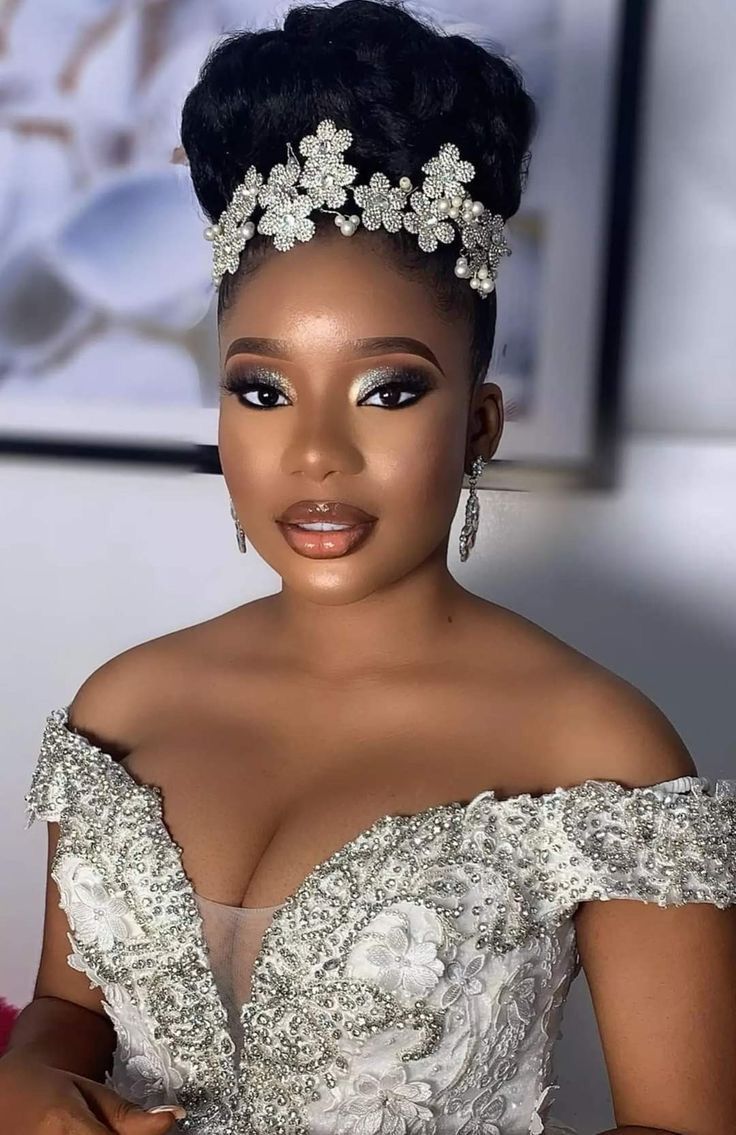
7 Bridal Hairstyle Inspo For Your Big Day

Let’s get to it:

We get that you’re excited to look amazing on your big day. Picking a wedding hairstyle is just as important as choosing your bridal gown; they should match your wedding style. Each bride is different, with unique preferences, hair type, and length. Thankfully, there are many beautiful wedding hairstyles to pick from, making it simple for brides to find one that suits them.

This post is here to inspire and help you discover the perfect wedding hairstyle. Check out our collection of 7 stunning wedding hairstyles for women.

Take inspiration from these ideas or let your creativity run wild to achieve that glamorous look for your special day! The key is to blend these inspirations with your personal flair, creating a bridal style that is uniquely and undeniably you. Your special day deserves a touch of your individuality and charm, so don’t hesitate to get crafty and make it truly glamorous!

Posted on Leave a comment

Best Moisturising conditioners for 4C hair

The kinky texture of our hair necessitates frequent moisturization to prevent it from becoming dry, fragile, and prone to breakage. Deep conditioning stands out as an effective remedy for dry and brittle hair by deeply penetrating the hair shaft to enhance moisturization.


What exactly is deep conditioning?

It involves applying specialized treatments to natural hair for a period and then rinsing them off to repair damage and restore moisture. A quality deep conditioner should contain water-based and moisturizing ingredients to replenish lost nutrients and hydrate the hair strands.

At what point should you incorporate deep conditioning into your hair care routine?

Deep conditioning plays a crucial role in enhancing moisture levels and ensuring hair remains adequately hydrated. If you observe your hair feeling dry, lackluster, or prone to breakage, it’s an indication that deep conditioning is necessary to replenish lost moisture and revive your strands.

What frequency is ideal for deep conditioning your hair?

The frequency of deep conditioning varies based on your natural hair’s condition. Opting for deep conditioning twice a month is generally recommended. Yet, if your hair is severely damaged and dry, weekly deep conditioning is advisable, but exceeding this frequency may lead to hair appearing overly soft or lackluster.
Advantages of incorporating deep conditioning into your hair care routine include:

1. Improved Moisture Levels:
Deep conditioning helps to hydrate and nourish the hair, preventing dryness and brittleness.

2. Enhanced Elasticity:
By replenishing moisture and nutrients, deep conditioning can restore the elasticity of the hair, reducing breakage and promoting healthier strands.

3. Repairing Damage:
Deep conditioning treatments can penetrate the hair shaft to repair damage caused by heat styling, chemical treatments, and environmental factors.

4. Increased Manageability:
Conditioning treatments can make hair easier to detangle, style, and manage, reducing frizz and promoting smoother, shinier locks.

5. Promotes Hair Growth:
By maintaining a healthy scalp and hair follicles, deep conditioning can create an optimal environment for hair growth, resulting in longer and stronger strands over time.

Best Moisturising conditioners

1. Camille Rose Naturals Algae Renew Deep Conditioning Mask:
Containing 65 essential vitamins, this product aims to fortify your hair, aiding in length retention, stimulating growth, and enhancing softness for easier manageability.


2. Aunt Jackie’s Curls & Coils Fix My Hair Intensive Repair Conditioning Masque:
If you struggle with frizz and shrinkage, this product purports to offer a solution by not only addressing these issues but also by restoring shine and vitality to your hair.


3. Shea Moisture Strengthen and Restore Treatment Masque:
Infused with peppermint and apple cider vinegar, this conditioner deeply invigorates your scalp while leaving your hair feeling revitalized and refreshed.


4. TGIN Honey Miracle Hair Mask:
Crafted with Raw Honey to hydrate your hair, resulting in increased softness and shine! Additionally, it diminishes flakiness and alleviates dry, itchy scalp. Restore vitality and fortify damaged and overprocessed hair, imparting a gorgeous and healthy appearance.


5. As I Am Hydration Elation Intensive Conditioner:
Enriched with natural herbal extracts, this formula stimulates both the scalp and hair roots while also improving manageability and overall hair health.


Posted on Leave a comment

Going Natural – What to Expect in the Transition

If you’re a woman with chemically treated hair and you’ve decided to transition to your natural texture, you’re in for an exciting journey! Going natural is a liberating experience that allows you to embrace your authentic beauty, but it can also be challenging, especially during the transition phase. In this comprehensive blog post, we’ll explore what you can expect when you embark on the journey to your natural tresses, and provide you with tips and insights to help you navigate the process successfully.

The Big Chop or the Transition? One of the first decisions you’ll need to make is whether you want to do the “big chop” and cut off all your relaxed or chemically treated hair at once, or if you prefer to gradually transition by letting your natural hair grow out. Both options have their pros and cons, and the choice is a personal one.

The Big Chop:
Pros:
– Immediate transition to natural hair
– No need to manage two different textures
– Fresh start for your hair

Cons:
– Dramatic change in appearance
– Potential for temporary short length
– Adjustment period for styling and care

The Gradual Transition:
Pros:
– Gradual change in appearance
– Ability to maintain length during the process
– More time to learn about natural hair care

Cons:
– Longer transition period (can take years)
– Managing two different textures
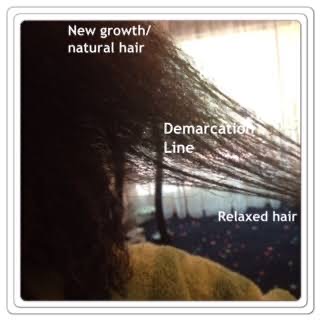
– Potential for increased breakage at the line of demarcation


Patience is Key
Transitioning to natural hair takes time, and patience is crucial. Your natural hair growth rate is approximately half an inch per month, which means it can take several months or even years to fully transition, depending on your desired length. During this time, you’ll have to manage two different textures – your chemically treated hair and your natural new growth.


Styling Challenges
As your natural hair grows out, you’ll need to adjust your styling techniques to accommodate the different textures. This can be a learning curve, and you may experience some frustration as you experiment with new products and styling methods. Protective styles, such as braid-outs, twist-outs, and bantu knots, can be your best friends during this phase.


Moisture is Everything
Natural hair tends to be drier than chemically treated hair, so you’ll need to up your moisturizing game. Invest in high-quality moisturizing products, such as leave-in conditioners, hair creams, and oils. Deep conditioning treatments should become a regular part of your hair care routine.


Shedding and Breakage
During the transition, you may experience increased shedding and breakage, especially at the line of demarcation where your natural hair meets your chemically treated hair. This is normal and can be minimized by gentle handling, regular trimming, and proper moisturization.


Embracing Your Texture
As your natural hair grows out, you’ll gradually discover your unique texture and curl pattern. This can be an exciting and empowering experience, but it may also require some adjustment in your self-perception and hair care routine. Embrace your natural beauty and learn to love your texture.


Detangling and Maintaining Length
Detangling natural hair can be a challenge, especially if you’re transitioning from chemically treated hair. Invest in a good detangling brush or wide-tooth comb, and consider detangling in sections while your hair is damp or coated with a leave-in conditioner or detangler. Regular trimming is also essential to maintain healthy ends and prevent excessive splitting and breakage.


Protecting Your Ends
Your ends are the oldest and most fragile part of your hair, and they require extra care and protection during the transition. Avoid excessive manipulation, and consider protective styling techniques like buns, braids, or twists to tuck away your ends and minimize friction and breakage.


Embracing Your Natural Beauty
Going natural is not just about your hair; it’s also about embracing your natural beauty and developing a positive self-image. This can be a transformative journey that involves unlearning societal standards of beauty and redefining what it means to be beautiful on your own terms.

Support System and Resources
Transitioning to natural hair can be both exciting and challenging, so it’s essential to have a support system in place. Connect with other naturalistas, join online communities or local meetup groups, and seek out resources like blogs, YouTube channels, and books to help you navigate the process successfully.

Going natural is a journey of self-discovery, patience, and self-love. While the transition phase can be challenging, the end result – healthy, beautiful, and natural tresses – is well worth the effort. Surround yourself with support, educate yourself on natural hair care, and celebrate every milestone along the way. Embrace your natural beauty, and enjoy the journey.

Posted on Leave a comment

Defining Your Curl Pattern And Hair Porosity

Unlocking the Secrets: Defining Your Curl Pattern and Hair Porosity

Your hair is a crown you never take off, so it’s important to understand its unique characteristics. Knowing your curl pattern and porosity levels can help you choose the right products and techniques for healthy, gorgeous hair. Let’s dive in and unlock the secrets!


Understanding Curl Patterns

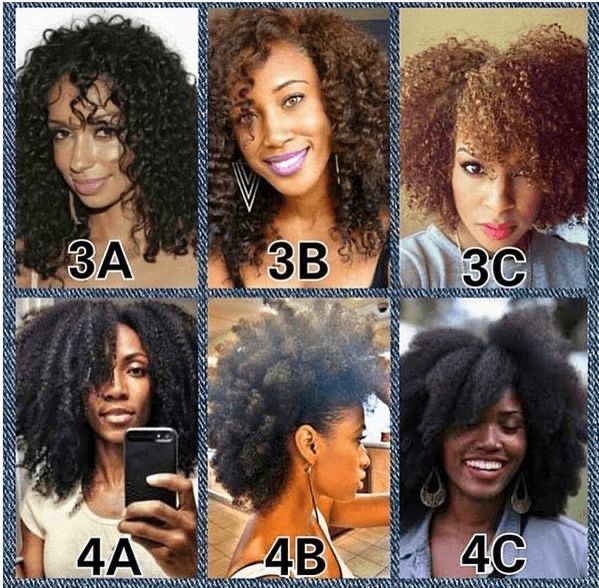
Curl patterns are defined by the actual shape and structure of each strand of hair. They range from straight to wavy, curly, and coily textures. Your curl pattern is determined by the symmetry and helical formation of the hair’s strands.

Straight Hair:

Straight hair follicles have a cylindrical shape that causes strands to grow outward in a straight line. The hair lies flat from the roots and lacks any curved shape.


Wavy Hair:

Wavy hair has a slightly curved “S” pattern. The cross-section is somewhat oval-shaped, creating a loose, sunk-in wave pattern rather than tight spirals.


Curly Hair:

Curly hair strands have a helical, spiraled structure that circles down from the roots in tubular ringlet shapes. Curlier patterns have a more elliptical-shaped cross-section.


Coily Hair:

Coily textures have very tight zig-zag curl patterns that resemble springs or coils. The strands have an extremely elongated cross-section that allows for maximum curve and kink.


Your curl pattern affects how your hair behaves – how products absorb, how moisture is retained, what styles will hold, and more. Straighter patterns tend to be lower maintenance, while curlier textures usually require more intentional care and styling techniques.

Exploring Hair Porosity

In addition to curl pattern, hair porosity is another key factor in how strands retain moisture and absorb products. Porosity refers to how well the hair’s outer cuticle layer allows moisture to penetrate the strands.

Low Porosity Hair:

Low porosity hair has very tight, compact cuticles that repel moisture, making it difficult for water and products to be absorbed. The cuticles lie flat against the hair shaft.

Normal Porosity Hair:

Normal or medium porosity means the cuticles aren’t too tight or too raised. Water and moisture can penetrate reasonably well while still being retained.

High Porosity Hair:

High porosity hair has gaps or cracks between the raised, open cuticles that allow moisture to be absorbed quickly but also lost rapidly. The strands feel rough and dry.

You can do a simple test to check your hair’s porosity:

The Float Test:

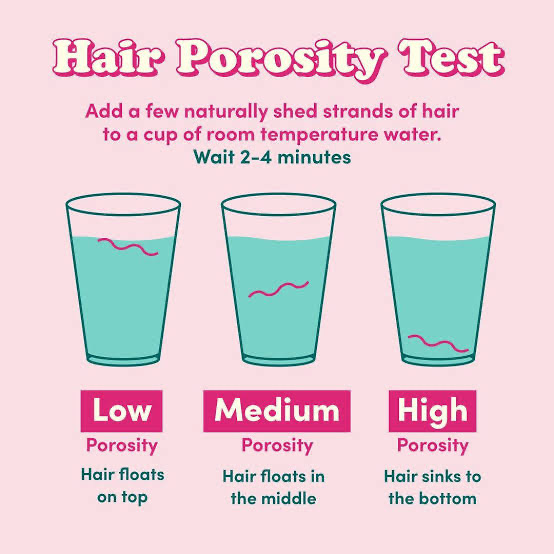
Take a shed or snap off a few strands of hair and let them sit in a glass of water. If they sink immediately, you likely have high porosity hair. If they remain floating for 2-4 minutes before sinking, you have normal porosity. And if they never sink, even after leaving them overnight, you probably have low porosity.

The Spray Test:

Spray a bit of water onto a section of dry hair. If it quickly soaks in and makes your hair feel wet or damp, you have high porosity. If water sits on top and takes a while to absorb, you likely have lower porosity.


Your porosity affects which ingredients and products your hair needs. Low porosity may require more cuticle-lifting ingredients to aid absorption, while high porosity thrives on rich moisturizers and protein treatments.

Caring for Your Curl Pattern and Porosity

Now that you understand your curl pattern and porosity levels, you can start tailoring your hair care routine accordingly. Here are some tips for different curl types and porosities:

Low Porosity Hair:

– Use lighter liquid/cream stylers like leave-in conditioners and curl creams rather than thick butters/pomades that won’t absorb
– Weekly deep treatments with cuticle-lifting ingredients like apple cider vinegar or rice water rinses
– Avoid heavy oils, silicones and moisture-blocking ingredients
– Limit protein treatments to prevent overload and stiffness
– Concentrate products on ends rather than scalp area


High Porosity Hair:

– Rich, ultra-moisturizing deep conditioning masks with humectants like glycerin, honey, aloe
– Use light protein treatments monthly to fill in gaps/damage
– Steam treatments help raise cuticle so moisture penetrates better
– Layer creams/butters underneath oil sealants to lock in hydration
– Limit use of clarifying, drying shampoos


Loose Waves/Curls:

– Finger coiling or using a wide-tooth comb to shape waves while hair is wet
– Mousses and lighter curl creams are great for enhancing pattern
– Let hair dry in microfiber towel or cotton t-shirt rather than rough terry towels
– Quarterly trims keep ends healthy and shaped

Tight Coils/Kinks:

– Two-strand twist outs, braid outs or bantu knots create elongated curls
– Use a brush with mixed bristles to gently detangle and distribute product
– Thicker creams, custards and gels give frizz control and hold
– Low-manipulation protective styles retain length and moisture
– Spritz with water daily and seal with oils/butters for softness

No matter your texture, be gentle when detangling and styling to prevent excessive shedding and damage. Deep conditioning is crucial for all curly girls! Experiment and find the right cocktail of products and techniques for your unique curl pattern and porosity.

Embracing Your Natural Beauty

Your curl pattern and porosity are special traits that make your hair beautifully unique – don’t see them as obstacles to overcome! There are countless examples of people flourishing by fully embracing their natural texture.

Different textures are beautiful! But it does take some trial and error to find what truly works for your hair’s specific needs. The key is being patient and embracing your natural curl pattern and porosity rather than fighting against them.

So keep experimenting with various techniques and products until you discover your holy grail routine. It may be a journey, but seeing your gorgeous, healthy, defined curls flourish makes it incredibly rewarding.

Posted on Leave a comment

Hair and Beauty Myths Busted – The Truth Revealed by the Experts

We’ve all heard those long-standing hair and beauty myths that seem to get passed down from generation to generation. But in today’s world of advanced science and expert knowledge, it’s crucial to separate fact from fiction. At Jojo salon, we’re committed to providing our valued clients with accurate information and professional guidance. Let’s take a closer look at some of the most widespread hair and beauty myths and reveal the truth behind them.


Myth #1:

Plucking gray hair leads to more gray hair growing in.


Fact:

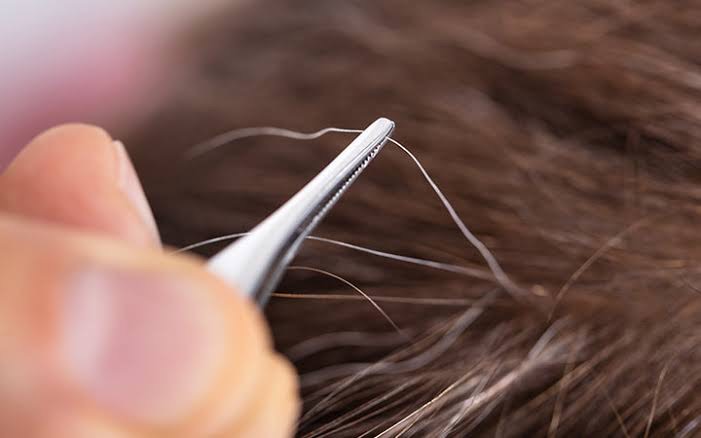
This persistent myth is completely unfounded. Plucking a gray hair does not cause more gray hairs to sprout in its place. Graying is a natural part of the aging process, and the rate at which your hair turns gray is primarily determined by your genetics. Other factors like stress, poor diet, smoking, and certain medical conditions can also contribute to premature graying. However, the act of plucking a gray hair itself has no impact on the emergence of new gray strands.

Myth #2:

Trimming hair frequently makes it grow faster.


Fact:

This myth is a common misconception. The rate at which your hair grows is determined by factors such as genetics, age, and overall health – not how often you trim it. Hair grows from the follicle under the skin, not from the ends. However, regular trims can help maintain healthy hair by removing split ends, preventing excessive breakage, and giving the appearance of fuller, more vibrant locks.

Myth #3:

Brushing hair 100 strokes a day makes it shinier.


Fact:

While brushing can help distribute your hair’s natural oils from the scalp to the ends, excessive brushing can actually lead to hair breakage, frizz, and damage – especially for those with dry, fragile, or chemically-treated hair. A few gentle brush strokes are typically enough to achieve a healthy shine without compromising the integrity of your strands.

Myth #4:

Pores open and close based on water temperature.


Fact:

This myth about pores is widely circulated but inaccurate. Pores are tiny openings in the skin, but they don’t actually open and close in response to water temperature. While hot water can help soften and cleanse the skin, it doesn’t cause pores to physically open or close. Factors like age, genetics, and skincare routines play a more significant role in the appearance and size of pores.

Myth #5:

Expensive products are always better for your hair and skin.


Fact:

The price tag on a product doesn’t necessarily reflect its quality or effectiveness. Many affordable drugstore brands offer excellent formulas that can rival or even outperform their high-end counterparts. When selecting hair and skincare products, it’s essential to choose formulas tailored to your specific needs, concerns, and hair/skin type – regardless of cost. Factors like ingredients, compatibility with your body chemistry, and professional recommendations should carry more weight than the price alone.

Don’t let outdated myths hold you back from embracing your natural beauty. Book your next appointment with us today, and let us help you separate fact from fiction on your journey to gorgeous, healthy hair and radiant, glowing skin. Our team is here to guide you with personalized advice and professional services tailored to your unique needs.

Posted on Leave a comment

Choosing the Right Hair Color for Your Skin Tone

Choosing the perfect hair color to complement your skin tone can significantly enhance your overall appearance. Understanding how different hair shades interact with varying skin undertones is crucial in achieving a harmonious and flattering look. Whether you’re considering a dramatic change or a subtle enhancement, finding the right hair color for your skin tone can make a world of difference. In this comprehensive guide, we’ll delve into the intricacies of selecting the ideal hair color based on your skin tone.


Understanding Skin Undertones

Before delving into hair color selection, it’s essential to understand the concept of skin undertones. Skin undertones are the subtle hues beneath the surface of your skin that can be categorized as warm, cool, or neutral.


Warm Undertones:
If your skin has hints of yellow, peach, or golden tones, you likely have warm undertones

Cool Undertones:
Skin with pink, red, or blue undertones indicates cool undertones.

Neutral Undertones:
A mix of warm and cool undertones, or a balanced, neutral tone, characterizes neutral undertones.

Matching Hair Colors to Skin Tones

Hair Colors for Warm Undertones

Golden Blonde:
Individuals with warm undertones often look stunning with golden blonde hues that complement their skin’s natural warmth.

Caramel or Honey Brown:
Warm undertones pair beautifully with caramel or honey brown shades, creating a natural and radiant look.

Copper Red:
Vibrant copper reds can bring warmth to the complexion of those with warm undertones, adding a striking and lively contrast.

Rich Chocolate Brown:
Deep, rich chocolate brown shades can enhance the warmth of the skin, offering a sophisticated and elegant appearance.

Hair Colors for Cool Undertones

Platinum Blonde:
Cool undertones harmonize well with icy platinum blonde, creating a striking contrast and an edgy, modern look.

Ash Brown:
Cool-toned individuals can opt for ashy brown shades that complement their skin’s coolness, providing a chic and contemporary aesthetic.

Burgundy:
Deep, cool-toned burgundy hues can add depth and richness to the complexion, creating a bold and dramatic effect.

Jet Black:
Cool undertones can carry off jet black hair effortlessly, exuding a classic and timeless allure.

Hair Colors for Neutral Undertones

Chestnut Brown:
Chestnut brown shades are versatile and complement neutral undertones, offering a balanced and natural appearance.

Soft Caramel Highlights:
Subtle caramel highlights can add dimension and warmth to the hair without overpowering the neutral skin tone.

Rose Gold:
The delicate balance of warm and cool tones in rose gold hair colors can beautifully complement neutral undertones, creating a soft and romantic look.

Determining Your Skin Tone

To accurately determine your skin tone, consider the following methods:

Vein Test:
Examine the veins on the underside of your wrist. If they appear greenish, you likely have warm undertones. If they appear bluish, your undertones are cool. If you can’t distinctly determine the color, you may have neutral undertones.

Jewelry Test:
Consider whether gold or silver jewelry complements your skin better. Warm undertones typically favor gold, while cool undertones lean towards silver. If both suit you, you may have neutral undertones.

White Fabric Test:
Hold a piece of white fabric near your face. If your skin appears radiant and healthy against pure white, you likely have warm undertones. If your complexion looks better against off-white or cream, you may have cool undertones.

Consultation with a Professional

While these guidelines can provide valuable insights, consulting with a professional colorist or stylist is crucial in achieving the best results. A skilled colorist can assess your skin tone, eye color, and personal style to recommend the most suitable hair color options tailored to your individual features and preferences.

In conclusion, selecting the perfect hair color for your skin tone involves a thoughtful consideration of your undertones and personal style. By understanding the interplay between hair colors and skin undertones, you can embark on a transformative hair color journey that accentuates your natural beauty and leaves you feeling confident and radiant.
Remember, experimenting with different hair colors can be an exciting and empowering experience, so embrace the process with an open mind and a sense of adventure. With the right hair color, you can illuminate your best features and express your unique personality with style and flair.

Posted on Leave a comment

How To Straighten Hair Without Damage

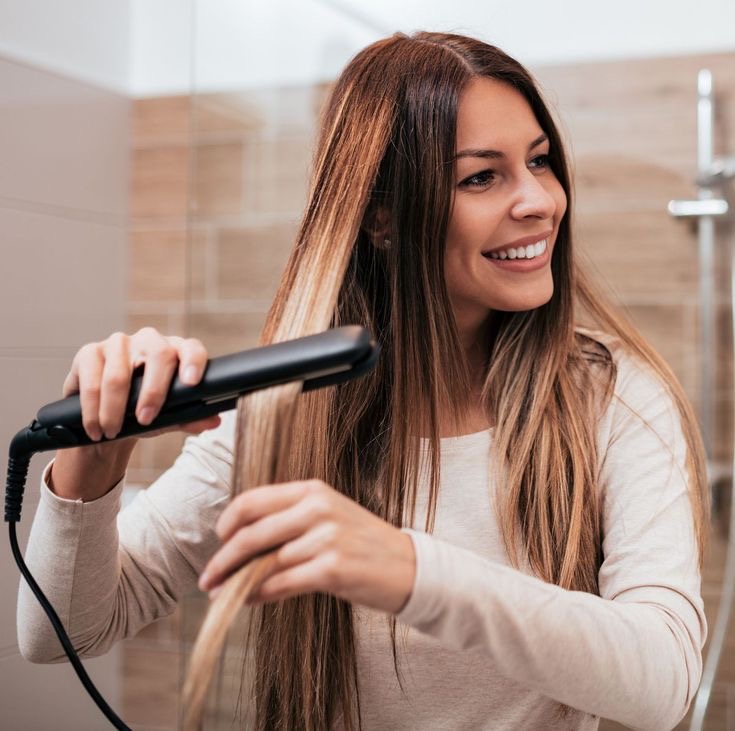
There are days when achieving smooth, sleek, and shiny hair is a top priority, and one of the quickest methods to attain this look is by straightening the hair.


However, using a flat iron or other heated tools can potentially cause damage, especially if they are used incorrectly or excessively. Moreover, the process of safely straightening the hair can be somewhat intricate, involving the application of heat protectants, gentle handling in areas prone to breakage, and selecting the appropriate temperature for the hair type.

Therefore, it’s reasonable to feel overwhelmed and potentially skip some steps.
So, how frequently can hair be straightened without causing damage, and what are the proper techniques for heat styling hair to prevent breakage? We’ve consulted with hairstylists to provide you with valuable insights into the art of hair straightening without causing harm. Here, we’ll share expert advice and tips.

Brushing

This is the simplest method to straighten natural hair, but it does require that you have the time to wait for your hair to fully dry. Find your part with a comb or your fingers, and use your hands to brush your damp hair down and pull it tightly. Keep doing this every few minutes until your hair is completely dry, adding more leave-in conditioner if necessary. Though you may not end up with much lift at the root, you will get a nice, natural hair texture that doesn’t look too done. If you need to tame any strays, stick to an oil-based product to smooth hair out.

Wrapping

While your hair is wet, comb and divide it down the middle. Comb the left section all the way over to the right (yes, it’s a kind of combover) and wrap it around the back of your head. Use large bobby pins to secure it. Guide the right portion over the left side of your head, and wrap and pin it as well. Let your hair air dry completely, which could take time. To sleep on it overnight, wrap it all up in a silk scarf.

You can also blow dry it all with cool air until nearly before you wrap. To prevent the bobby pins from leaving dents, sandwich a sliver of cardboard or tissue between pins and hair.

Rolling

It may seem old-fashioned, but this technique is not only tried and true, it’s the best choice for straightening coarser, curlier textures. Use about six jumbo rollers – plastic rollers yield a smoother effect than those made of Velcro or foam.

Straight Hair

When dealing with already straight hair, you don’t need to do much to achieve a sleek look. Nevertheless, you should minimize styling time to avoid heat damage and take certain steps to preserve the health of the hair.

The ideal temperature for straight, finer strands is lower, so select the lowest setting possible for the straight hair.

Layer stylers with heat protection as you progress from wet hair to hair preparation and styling.

Straight hair typically requires a quick and straightforward process. Once the hair is dry, use a flat iron to smooth it out. Given that hair is already naturally straight, it shouldn’t take more than five minutes to achieve an ultra-sleek result.

Due to the finer strands of straight hair, it’s best to use hot tools sparingly to prevent damage. It’s safer to keep the temperature lower, ideally between 350 and 380 degrees Fahrenheit, for fine, thin hair types.

Appropriate temperature settings are key, you can straighten the hair effectively and minimize the risk of damage. Remember that, regardless of the hair type, it’s essential to use heat protectants and prioritize the health and hydration of hair

0