
Understanding the Causes of Hair Loss in Men
June 26, 2026
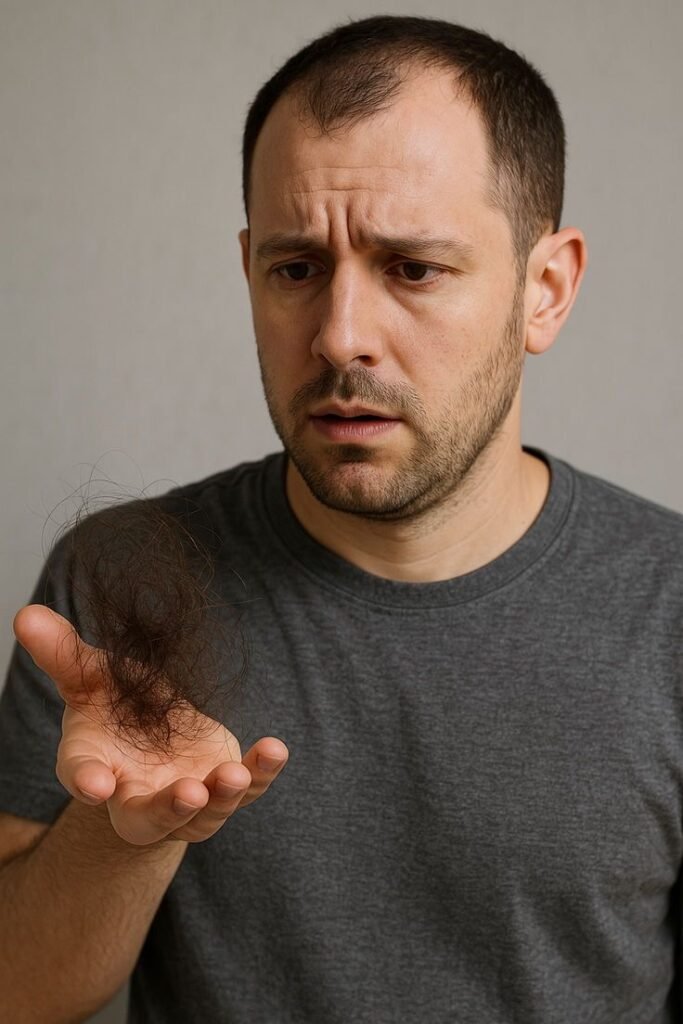
Hair loss is one of the most common concerns men face and while it’s completely normal, it can still affect confidence and self-image. The key to managing it effectively is understanding why it happens in the first place.
In this detailed guide, we’ll break down the major causes of hair loss in men, how they work, and what signs to watch for.
What Is Hair Loss?
Hair loss (also known as Alopecia) refers to partial or complete loss of hair from the scalp or other parts of the body. It can happen gradually or suddenly, depending on the cause.
The average person sheds 50–100 hairs daily, which is normal. Hair loss becomes a concern when shedding exceeds regrowth.
1. Male Pattern Baldness (Genetics)
The most common cause of hair loss in men is hereditary hair loss, also known as Androgenetic Alopecia.
What causes it?
Genetics (family history)
Hormones, especially Dihydrotestosterone (DHT)
DHT shrinks hair follicles over time, making hair:
Thinner
Shorter
Eventually unable to grow
Signs:
Receding hairline
Thinning at the crown
“M” shaped hair pattern
Important:
This type of hair loss is progressive, meaning it worsens over time without treatment.
2. Hormonal Imbalances
Hormones play a huge role in hair growth. When they’re out of balance, hair loss can occur.
Common triggers:
Increased sensitivity to DHT
Thyroid issues (overactive or underactive thyroid)
Changes in testosterone levels
Hormonal imbalance can disrupt the natural hair growth cycle, pushing more hair into the shedding phase.
3. Stress and Lifestyle Factors
Physical or emotional stress can trigger a condition called Telogen Effluvium.
What happens?
Stress pushes hair follicles into a “resting” phase
Hair begins to shed excessively after a few weeks or months
Causes:
Financial or emotional stress
Illness or surgery
Poor sleep
Major life changes
Signs:
Sudden, noticeable hair shedding
Hair thinning all over the scalp (not just one area)
4. Poor Nutrition
Your hair needs nutrients to grow. A poor diet can weaken hair and slow growth.
Key nutrients for hair:
Protein
Iron
Zinc
Biotin
Vitamins (especially B and D)
Common causes:
Skipping meals
Eating mostly processed foods
Crash dieting
Result:
Hair becomes weak, brittle, and more prone to shedding.
5. Medical Conditions
Certain health issues can directly or indirectly cause hair loss.
Examples:
Alopecia Areata (immune system attacks hair follicles)
Thyroid disorders
Scalp infections (like fungal infections)
Chronic illnesses
Signs:
Patchy hair loss
Sudden bald spots
Itching or scalp irritation (in some cases)
6. Medications and Treatments
Some medications have hair loss as a side effect.
Common culprits:
Chemotherapy drugs
Antidepressants
Blood pressure medications
Steroids
These can interfere with the hair growth cycle, leading to temporary or permanent hair loss.
7. Hair Care Practices
Yes, even how you treat your hair matters.
Risky habits:
Tight hairstyles (braids, cornrows, dreadlocks)
Frequent use of harsh chemicals
Excessive heat styling
This can lead to Traction Alopecia.
Signs:
Thinning edges
Hair breakage around the hairline
Gradual hair loss in stressed areas
8. Ageing
As men grow older, hair growth naturally slows down.
What happens:
Hair follicles shrink
Hair becomes finer and lighter
Growth cycles become shorter
This is completely natural and often overlaps with genetic hair loss.
9. Scalp Conditions
A healthy scalp is essential for healthy hair.
Issues that can cause hair loss:
Dandruff (severe cases)
Psoriasis
Fungal infections
These conditions can inflame the scalp and damage hair follicles if untreated.
When Should You Be Concerned?
You should pay closer attention if you notice:
Sudden or excessive shedding
Bald patches
Itching, redness, or pain on the scalp
Rapid thinning within a short period
Can Hair Loss Be Prevented or Treated?
It depends on the cause.
Some are manageable:
Stress-related hair loss can reverse
Nutritional deficiencies can be corrected
Scalp conditions can be treated
Some are long-term:
Genetic hair loss can be slowed but not fully reversed
Early detection is key.
Hair loss in men is influenced by a mix of genetics, hormones, lifestyle, and health conditions. Understanding the root cause helps you take the right steps whether it’s improving your diet, reducing stress, or seeking medical advice.
The most important thing to remember is: hair loss is common, but not all hair loss is the same. Identifying your specific cause is the first step toward managing it effectively.