
Understanding Postpartum Hair Loss: Why It Happens and What You Can Do
October 7, 2026
Pregnancy can bring many changes to the body, and one of the most noticeable changes is often the hair. During pregnancy, many women experience thicker, fuller-looking hair. So, when significant shedding begins after giving birth, it can be surprising—and sometimes worrying.
The good news is that postpartum hair loss is usually normal and temporary. Understanding why it happens and how to care for your hair during this period can make the experience much easier to manage.
What Is Postpartum Hair Loss?
Postpartum hair loss, also known as postpartum shedding, is excessive hair shedding that occurs after childbirth. It is usually caused by hormonal changes rather than permanent hair loss.
During pregnancy, increased levels of hormones—particularly estrogen—keep more hairs in the active growth phase for longer than usual. This means fewer hairs enter the natural shedding phase, making the hair appear thicker and fuller.
After delivery, hormone levels begin to return to their normal levels. The hairs that were kept in the growth phase eventually enter the shedding phase, resulting in noticeable hair loss.
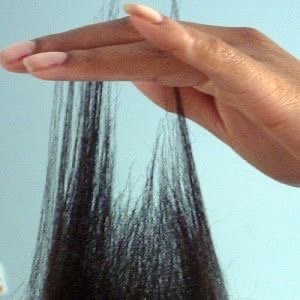
You may notice more hair than usual on your pillow, in your shower drain, on your brush, or even coming out when you run your fingers through your hair.
When Does Postpartum Hair Loss Start?
Postpartum shedding doesn’t usually begin immediately after delivery. For many women, it becomes noticeable around two to four months after giving birth, although the timing can vary.
The shedding may become more noticeable for a few months before gradually slowing down. In most cases, hair growth begins to return to its usual cycle as hormone levels stabilize.
For some women, the process can feel dramatic because a large amount of hair may appear to shed at once. However, this does not necessarily mean that you are going bald or that the hair loss will be permanent.
How Long Does It Last?
Postpartum hair shedding is generally temporary. Many women notice improvement within several months, with their normal hair-growth cycle gradually returning.
However, everyone’s body is different. Factors such as nutrition, stress, hormonal changes, genetics, breastfeeding, and overall health can influence how quickly the hair recovers.
If your hair continues to thin significantly long after the postpartum period, or you notice bald patches or other unusual changes, it is worth speaking with a doctor or dermatologist to rule out other causes of hair loss.
How to Care for Your Hair During Postpartum Shedding
Although you cannot completely stop normal postpartum shedding, you can take steps to protect the hair you still have and support a healthy scalp.
- Be Gentle With Your Hair
Hair can be more fragile during this period, so avoid excessive pulling, tight hairstyles, or aggressive brushing. Choose gentle hairstyles that don’t put constant tension on the roots.
Loose braids, low-tension protective styles, or simply wearing your natural hair can help minimize unnecessary breakage.
- Avoid Excessive Heat and Chemical Treatments
Frequent straightening, bleaching, relaxing, or other harsh chemical treatments can weaken already fragile hair.
If possible, give your hair a break from excessive heat and chemical processing while it is recovering.
- Maintain a Balanced Diet
Healthy hair growth requires adequate nutrition. Focus on a balanced diet containing protein, fruits, vegetables, whole grains, and healthy fats.
Iron, vitamin D, zinc, and other nutrients can also play a role in maintaining healthy hair. If you suspect you have a nutritional deficiency, speak with a healthcare professional before taking supplements.
- Look After Your Scalp
A healthy scalp provides a good environment for hair growth. Keep your scalp clean and avoid products that cause irritation or excessive buildup.
Gentle scalp massages can also be incorporated into your routine, particularly when washing or applying a suitable hair product.
- Don’t Panic About Every Strand
Seeing more hair in your comb or shower can be alarming, but remember that postpartum shedding is often part of the body’s natural adjustment after pregnancy.
Instead of focusing on the amount of hair you lose each day, pay attention to the overall condition of your hair and scalp over time.
What About Wigs and Protective Styles?
For women experiencing postpartum shedding, wigs and low-tension protective styles can be a convenient way to manage their appearance while giving their natural hair a break.
However, the key is low tension. A hairstyle that is too tight or heavy can put additional stress on the scalp and contribute to traction-related hair loss.
If you’re wearing wigs, make sure the wig is comfortable and not excessively tight. Give your scalp regular breaks, keep the scalp clean, and avoid styles that pull tightly around the hairline.
When Should You See a Doctor?
Postpartum hair loss is usually normal, but not every type of hair loss after pregnancy is simply postpartum shedding.
Consider speaking with a healthcare professional if you experience:
- Bald patches or clearly defined areas of hair loss
- Severe scalp itching, pain, redness, or scaling
- Hair loss that continues or worsens for an unusually long period
- Significant thinning that does not appear to be improving
- Other symptoms such as extreme fatigue, weakness, or unexplained weight changes
These symptoms may indicate another underlying issue, such as nutritional deficiencies, thyroid problems, or another type of hair-loss condition.
The Bottom Line
Postpartum hair loss can be frustrating, especially after enjoying fuller hair during pregnancy. But for most women, it is a temporary part of the postpartum hormonal transition.
Be patient with your hair, prioritize gentle care, maintain a nutritious diet, and avoid unnecessary tension or harsh treatments. Your hair may take time to return to its previous appearance, but shedding does not automatically mean permanent hair loss.
Most importantly, remember that your body has gone through an enormous change. Give yourself—and your hair—the time and care needed to recover.