
How to Treat Hair Loss from Fungal Infections
October 16, 2026
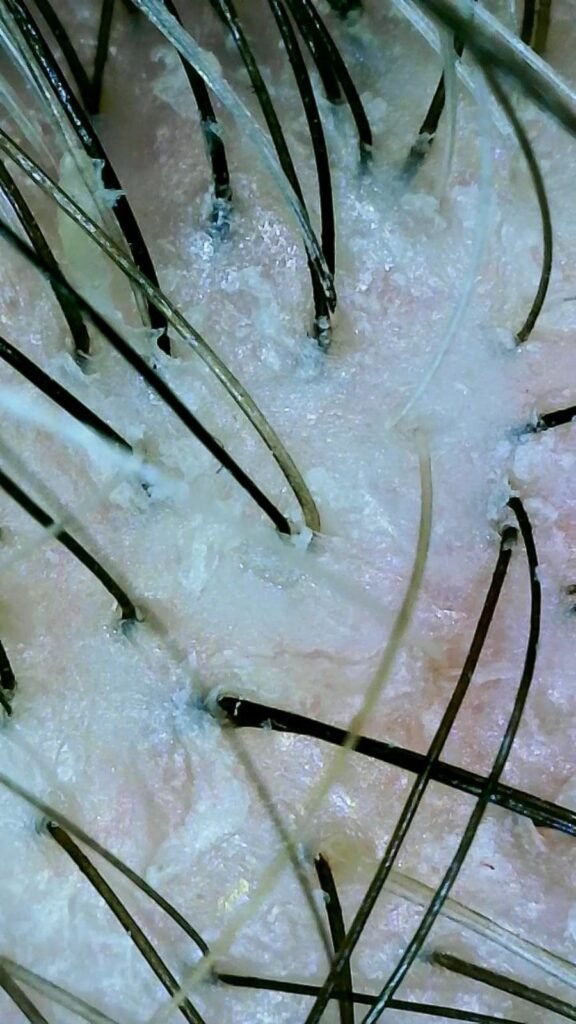
Fungal scalp infections, especially scalp ringworm (tinea capitis), can cause itching, scaling, broken hairs, and patchy hair loss. They are contagious but usually treatable. Early treatment can help prevent scarring and permanent hair loss.
Symptoms
Common signs include:
- Round or irregular bald patches
- Broken hairs or black dots
- Itching, redness, scaling, or tenderness
- Swelling, pus, or a painful lump (kerion)
- Swollen lymph nodes behind the ears or neck
Other conditions, including dandruff, psoriasis, and alopecia areata, can cause similar symptoms, so diagnosis is important.
Treatment
Prescription antifungal medication
Scalp ringworm usually requires oral antifungal medicine because the infection can affect the hair shafts and follicles. Doctors may prescribe terbinafine, griseofulvin, itraconazole, or fluconazole, depending on the fungus and the patient’s health.
Take the medication exactly as prescribed. Do not use leftover tablets or self-treat an unexplained bald patch.
Antifungal shampoo
Ketoconazole or selenium sulfide shampoo may help reduce fungal spores and limit spread. However, shampoo alone usually cannot cure scalp ringworm. Follow medical or product instructions carefully.
Severe inflammation
A painful, swollen, or pus-filled area may be a kerion and requires prompt medical care. Do not squeeze or drain it yourself.
Avoid steroid creams unless prescribed, as they can mask or worsen some fungal infections.
Supporting Hair Regrowth
- Complete the full treatment course.
- Avoid tight hairstyles, extensions, chemical treatments, and excessive heat.
- Do not scratch or aggressively brush the scalp.
- Eat a balanced diet with adequate protein, iron, and zinc.
- Avoid relying on oils or unproven hair-growth remedies.
- Allow several weeks or months for regrowth.
Hair usually returns if the follicles are not permanently damaged. Severe inflammation can cause scarring and lasting hair loss.
Preventing Spread
- Do not share combs, brushes, hats, towels, pillowcases, or clippers.
- Wash items that touch the scalp regularly.
- Clean hair tools thoroughly.
- Avoid scratching.
- Have household members or pets checked if they develop symptoms.
When to See a Doctor
Seek medical advice for unexplained patchy hair loss, scaling, broken hairs, or persistent itching. Get prompt care for painful swelling, pus, fever, rapidly spreading hair loss, or signs of scarring.
Children with suspected scalp ringworm should be assessed because treatment usually requires prescription medication.
Frequently Asked Questions
Can hair grow back?
Often, yes. Regrowth may take weeks or months after the infection clears. Scarring can prevent hair from returning.
Can shampoo cure fungal hair loss?
Usually not. Antifungal shampoo may support treatment, but oral medication is generally needed for scalp ringworm.
Is fungal hair loss permanent?
Not always. Early treatment reduces the risk of permanent follicle damage.
Can hair oil cure scalp fungus?
No. Oils should not replace antifungal treatment.
Can the infection spread?
Yes. It can spread through people, animals, and contaminated personal items.
Fungal scalp infections can cause worrying hair loss, but prompt diagnosis and proper antifungal treatment usually lead to recovery. Avoid self-treatment, complete the prescribed medication, and seek medical care if symptoms are severe or hair does not regrow.
Medical disclaimer: This article is for educational purposes only and does not replace professional medical advice, diagnosis, or treatment.