
Protecting Your Hair During Swimming: Tips and Best Products
June 30, 2026
Swimming is one of the best activities for relaxation, fitness, and fun. Whether you’re swimming in a pool, ocean, or river, it offers many health benefits. However, frequent swimming can cause serious damage to your hair if you don’t take proper precautions. Chlorine, salt water, sun exposure, and constant wetting can lead to dryness, breakage, dullness, and even hair loss over time.
If you wear wigs, natural hair, braids, or extensions, protecting your hair becomes even more important. In this blog, we will explore practical tips, preventive care, and the best products to keep your hair healthy while enjoying swimming.
Why Swimming Can Damage Your Hair
Before we talk about protection, it’s important to understand why swimming affects your hair.
1. Chlorine Damage
Most swimming pools contain chlorine, a chemical used to kill bacteria. While it keeps pools clean, it also strips the natural oils from your hair. This leaves your hair dry, brittle, and more prone to breakage.
Chlorine also weakens the protein structure of hair, which is why some swimmers experience thinning or rough texture.
2. Saltwater Effects
Saltwater from the ocean pulls moisture out of the hair shaft. This leads to:
Extreme dryness
Tangling
Frizz
Split ends
However, saltwater is usually less damaging than chlorine but still requires protection.
3. Sun Exposure
Swimming often happens outdoors, which means UV rays can damage hair cuticles. This results in:
Fading of hair colour
Weak strands
Increased breakage
4. Constant Wetting and Drying
Repeatedly wetting and drying your hair causes swelling and shrinking of the hair shaft. Over time, this weakens the hair structure.
Essential Tips to Protect Your Hair While Swimming
1. Wet Your Hair Before Entering the Pool
This is one of the most effective and simple steps. When your hair is already wet with clean water, it absorbs less chlorine or saltwater.
You can:
Rinse your hair in the shower before swimming
Use bottled water if there’s no shower available
This works because your hair can only absorb a limited amount of water.
2. Apply a Protective Oil or Conditioner
Coating your hair creates a barrier against chlorine and salt.
Good oils include:
Coconut oil
Olive oil
Argan oil
Coconut oil, in particular, penetrates the hair shaft and reduces protein loss. Many swimmers rely on oils recommended by brands like SheaMoisture and Cantu because they are moisturizing and affordable.
You can also apply a leave-in conditioner to lock in moisture.
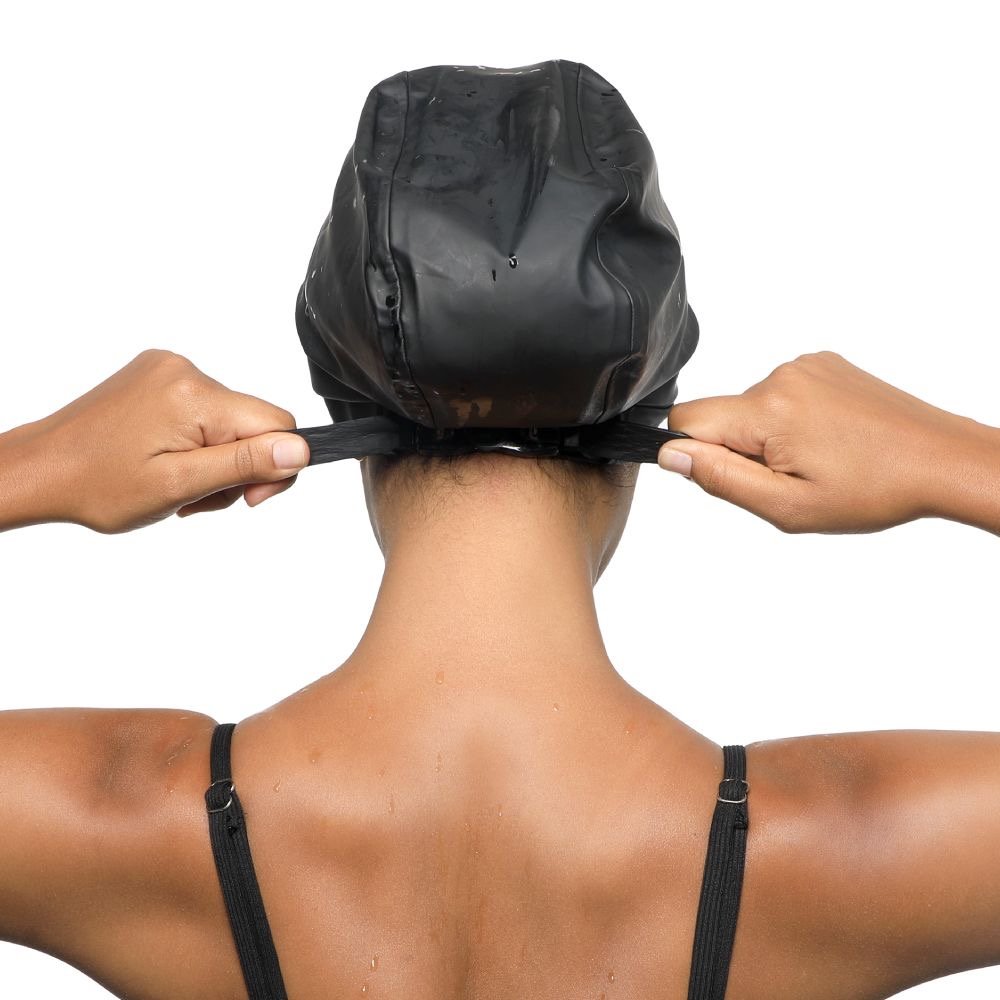
3. Wear a Swimming Cap
A swimming cap is one of the best ways to protect your hair.
Benefits:
Reduces chlorine exposure
Prevents tangling
Keeps wigs and braids secure
Minimizes water absorption
Silicone caps are better than latex because they are more durable and gentle on hair.
Many swimmers prefer caps from Speedo because of their comfort and quality.
4. Choose Protective Hairstyles
Protective styles reduce friction and tangling.
Examples:
Braids
Cornrows
Buns
Twists
These styles help keep your hair compact and easier to manage.
If you wear wigs:
Avoid swimming in human hair wigs
Use synthetic swim-friendly wigs or cover your hair with a cap.
5. Avoid Tight Styles
Although protective styles are helpful, very tight hairstyles can cause tension and breakage when wet.
Instead:
Keep styles loose and comfortable
Avoid tight ponytails or buns
Wet hair is more fragile, so gentle styling is essential.
6. Rinse Immediately After Swimming
After swimming, rinse your hair as soon as possible.
This helps:
Remove chlorine and salt
Prevent buildup
Restore moisture
If you cannot wash immediately, at least rinse with clean water.
7. Use a Clarifying Shampoo Weekly
Chlorine and minerals build up over time. A clarifying shampoo removes this buildup.
Use it once a week, especially if you swim often. However, don’t overuse it because it can also strip natural oils.
Popular options are available from brands like Aussie and Tresemmé.
8. Deep Condition Regularly
Deep conditioning is essential for swimmers.
Benefits:
Restores moisture
Strengthens hair
Prevents breakage
Use protein and moisturizing treatments alternately.
9. Detangle Gently
After swimming, hair is fragile. Use:
Wide-tooth comb
Fingers
Detangling spray
Start from the ends and move upward.
10. Protect Your Hair From Sun
Use:
Hats
Scarves
UV hair sprays
Sun damage combined with chlorine is very harmful.
Special Tips for Different Hair Types
Natural Hair
Natural hair tends to be drier, so:
Moisturize more often
Use thicker oils and creams
Protective styles work best
Relaxed Hair
Relaxed hair is weaker and more prone to breakage.
Avoid:
Frequent chlorine exposure
Over-washing
Focus on strengthening treatments.
Braids and Extensions
These are excellent for swimming but:
Clean your scalp regularly
Dry properly to avoid odor and fungus
Wigs
If you wear wigs:
Remove them before swimming
Protect your natural hair underneath
Use a waterproof cap
Best Products for Protecting Hair During Swimming
Here are some must-have products:
1. Leave-In Conditioners
These provide moisture and protection.
Look for:
Lightweight formulas
Hydrating ingredients
UV protection
2. Natural Oils
Top choices:
Coconut oil
Jojoba oil
Argan oil
They prevent moisture loss.
3. Swim-Specific Hair Products
Some products are designed especially for swimmers.
Examples:
Chlorine removal shampoo
Anti-chlorine sprays
Protective serums
Brands like UltraSwim specialize in these.
4. Protein Treatments
Swimming weakens hair protein, so protein masks are essential.
Use monthly or bi-weekly.
Common Mistakes to Avoid
Many people unknowingly damage their hair while swimming. Avoid:
Entering pools with dry hair
Skipping conditioner
Sleeping with wet braids after swimming
Using harsh shampoos daily
Ignoring scalp care
How Often Can You Swim Without Damaging Your Hair?
You can swim regularly if you:
Follow protective routines
Moisturize properly
Deep condition
Professional swimmers protect their hair and still swim daily.
Swimming does not have to damage your hair. With the right preparation, products, and routine, you can enjoy swimming while maintaining strong, healthy, and beautiful hair.
The key is consistency. Protect your hair before, during, and after swimming. Over time, these habits will prevent dryness, breakage, and hair loss.
Remember, healthy hair is not about avoiding activities you love. It’s about learning how to care for your hair in every situation.