
Tips for dealing with an Oily Scalp
August 18, 2026
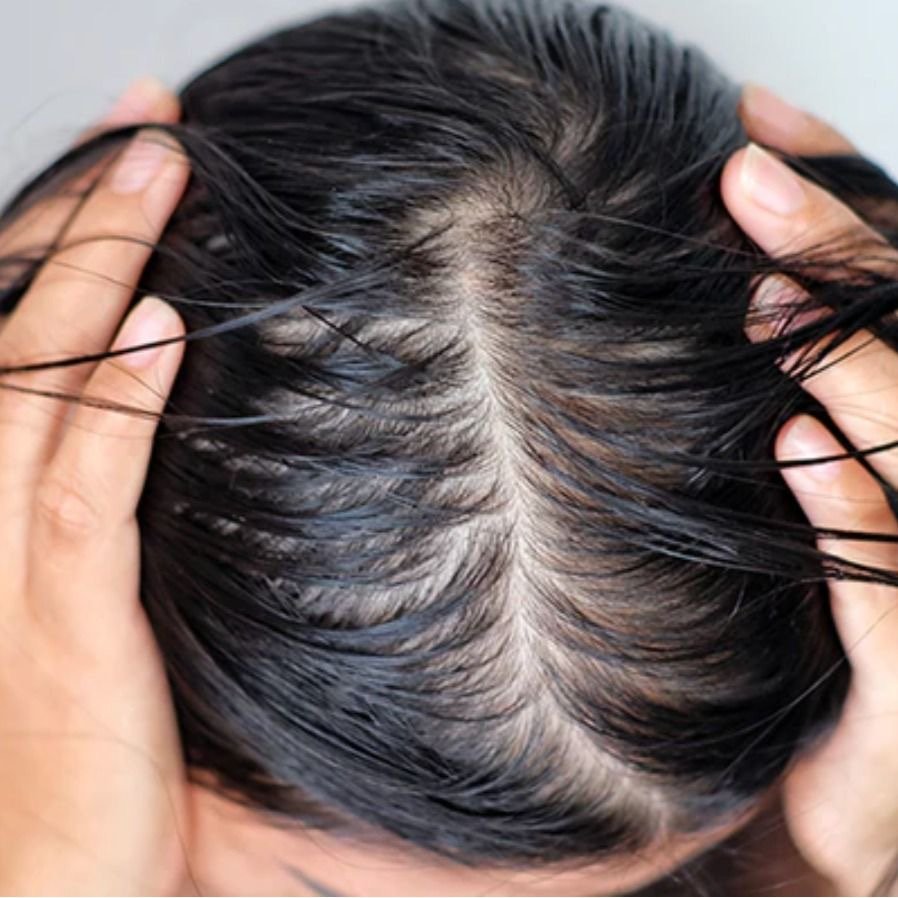
An oily scalp can be frustrating. Your hair looks greasy just a day after washing, styles don’t last, and sometimes it even leads to itching or dandruff. But here’s the good news: oily scalp is manageable when you understand what causes it and how to properly care for it.
This comprehensive guide will walk you through everything causes, routines, products, diet tips, and mistakes to avoid.
What Causes an Oily Scalp?
Your scalp produces a natural oil called sebum. Sebum is produced by sebaceous glands and helps protect and moisturize your hair and scalp.
However, when too much sebum is produced, your scalp becomes oily.
Common Causes:
Genetics
Hormonal changes
Overwashing hair
Using heavy hair products
Stress
Hot, humid weather
Poor diet
In some cases, excess oil can be linked to conditions like Seborrheic dermatitis, which may cause oily flakes and itching.
Signs You Have an Oily Scalp
Hair looks greasy within 24 hours
Flat, limp roots
Itchy scalp
Oily dandruff (yellowish flakes)
Breakouts along the hairline
1. Wash Smart Not Just Often
Many people think washing daily will fix oily scalp. Sometimes, it makes it worse.
Overwashing strips natural oils, causing your scalp to produce even more oil to compensate.
Ideal Washing Routine:
Wash every 1–2 days (depending on how oily you get)
Use lukewarm water (hot water increases oil production)
Focus shampoo on the scalp, not the hair ends
2. Choose the Right Shampoo
Look for shampoos labeled:
“Clarifying”
“Oil control”
“Balancing”
“Volumizing”
Ingredients That Help:
Salicylic acid
Tea tree oil
Charcoal
Clay (kaolin or bentonite)
Avoid:
Heavy moisturizing shampoos
Sulfate-heavy formulas if your scalp is sensitive
3. Clarify Weekly
Product buildup mixes with oil and makes your scalp feel heavier.
Use a clarifying shampoo:
Once a week
Twice if you use a lot of styling products
This removes residue and refreshes the scalp.
4. Condition Only the Ends
Applying conditioner to your scalp will worsen oiliness.
Proper Way:
Apply conditioner from mid-length to ends only
Avoid the roots completely
Rinse thoroughly
Your hands transfer oil to your scalp and roots.
The more you:
Play with your hair
Brush excessively
Scratch your scalp
The oilier it becomes.
6. Avoid Heavy Oils and Grease
If your scalp is already oily, avoid:
Thick pomades
Hair grease
Heavy butters
Natural oils like coconut oil may be too heavy for oily scalps.
Lightweight options (if needed):
Jojoba oil (sparingly)
Aloe vera gel
7. Use Dry Shampoo (When Needed)
Dry shampoo absorbs excess oil between washes.
Use it:
On dry hair
Spray lightly on roots
Let sit for 2–3 minutes before brushing out
Do not use daily buildup can clog follicles.
8. Exfoliate Your Scalp
Scalp exfoliation helps remove dead skin and excess oil.
You can use:
A gentle scalp scrub (once every 2–3 weeks)
A scalp brush during washing
This prevents clogged pores.
9. Watch Your Diet
What you eat can affect oil production.
Reduce:
Very greasy foods
Excess sugar
Highly processed meals
Increase:
Leafy vegetables
Fruits
Whole grains
Lean protein
Water intake
Hydration helps regulate oil production.
10. Manage Stress
Stress triggers hormonal imbalances that increase oil production.
Chronic stress can also worsen conditions like Telogen effluvium, leading to shedding along with oiliness.
Practice:
Deep breathing
Exercise
Good sleep routine
11. Be Careful With Braids and Wigs
If you wear:
Braids, Wigs, Weaves, Oil can get trapped underneath, causing buildup and itching.
Tips:
Wash your scalp even in braids (using diluted shampoo)
Don’t over-apply oil before installing wigs
Let your scalp breathe between styles
12. Consider Medical Advice if Severe
If you notice:
Thick yellow scales
Persistent itching
Red patches
It could be more than just oiliness, possibly linked to Seborrheic dermatitis.
A dermatologist may prescribe medicated shampoo.
Common Mistakes to Avoid
❌ Washing with very hot water
❌ Applying oil daily to an already oily scalp
❌ Skipping washes for too long
❌ Using heavy conditioners on roots
❌ Over-brushing
Simple Weekly Routine for Oily Scalp
Day 1: Wash with balancing shampoo + condition ends
Day 2: Leave hair loose, avoid touching
Day 3: Use dry shampoo if needed
Day 4: Wash again
Weekend: Clarify if buildup feels heavy
Adjust based on your oil level.
An oily scalp isn’t “dirty” it just means your sebaceous glands are active. The key is balance, not stripping.
When you:
Clean properly
Avoid heavy products
Manage stress
Eat well
Your scalp will regulate itself over time.