
🩺 A Complete Guide on How to Manage Hair Loss After Bariatric Surgery.
July 10, 2026
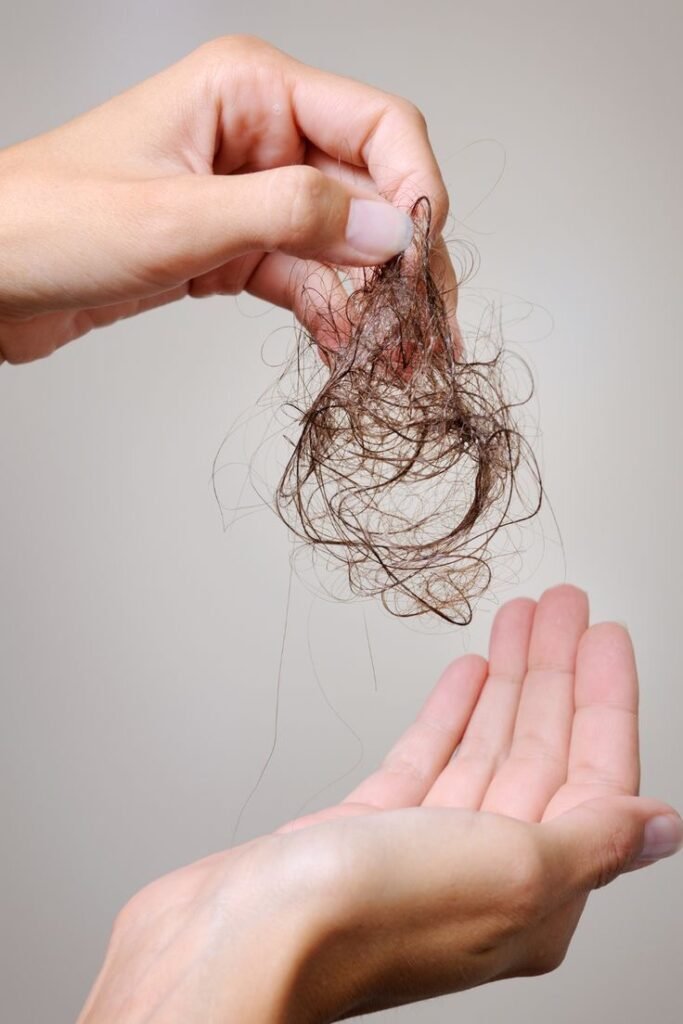
Hair loss after bariatric surgery is a common concern that many patients experience. If you’re noticing more strands on your pillow, in your comb, or in the shower, you’re not alone. According to the World Health Organization, nutritional deficiencies and rapid weight loss can affect hair growth. The good news is that this type of hair loss is usually temporary and manageable with the right care and lifestyle adjustments.
Let’s go deep into everything you need to know.
🌱 Why Hair Loss Happens After Bariatric Surgery
Hair loss after weight loss surgery is medically known as telogen effluvium. This condition occurs when the body undergoes stress, pushing more hair follicles into the resting phase, which leads to shedding.
Major causes include:
1. Rapid Weight Loss
After bariatric surgery, your body loses weight quickly. While this is the goal, it also shocks the system. The body prioritizes vital organs over non-essential functions like hair growth.
2. Nutritional Deficiencies
Because bariatric surgery reduces food intake and nutrient absorption, deficiencies can occur. These deficiencies directly affect hair health.
The most common nutrients linked to post-surgery hair loss are:
Protein
Iron
Zinc
Biotin
Vitamin B12
Vitamin D
Folate
Health institutions like the Mayo Clinic emphasize that proper nutrition is the most important step in preventing excessive shedding.
3. Surgery and Physical Stress
Surgery itself is a physical stressor. The body reacts by redirecting energy to healing, which slows down hair growth.
4. Hormonal Changes
Weight loss affects hormones such as estrogen, thyroid hormones, and insulin. These changes can trigger temporary hair thinning.
⏳ When Does Hair Loss Start and Stop?
Hair loss typically:
Starts 2–4 months after surgery
Peaks around 3–6 months
Gradually improves after 6–12 months
Most people see their hair grow back once the body stabilizes.
💡 How to Manage Hair Loss After Bariatric Surgery
🥗 1. Prioritize Protein Intake
Protein is the building block of hair. After surgery, protein deficiency is the number one cause of hair shedding.
Aim for:
60–100 grams of protein daily (as advised by your healthcare provider)
Best protein sources:
Eggs
Greek yogurt
Chicken
Fish
Beans and lentils
Protein shakes
💡 Tip: If you struggle to eat enough, use bariatric-friendly protein supplements.
💊 2. Take Your Supplements Seriously
Supplements are not optional after bariatric surgery. Skipping them can worsen hair loss.
Essential supplements include:
Multivitamins
Iron
Vitamin B12
Zinc
Biotin
Vitamin D
Always take supplements recommended by your surgeon or dietitian.
🧪 3. Regular Blood Tests
Routine blood tests help detect deficiencies early before they lead to severe hair thinning.
Check levels of:
Ferritin (iron stores)
Vitamin B12
Zinc
Folate
Protein
Early correction can prevent long-term damage.
💆♀️ 4. Gentle Hair Care Routine
After surgery, your hair becomes more fragile. Harsh styling and treatments can increase breakage.
Use:
Sulfate-free shampoos
Deep conditioners
Leave-in treatments
Avoid:
Tight hairstyles
Excessive heat
Chemical treatments
🧴 5. Scalp Health Matters
A healthy scalp promotes stronger hair growth.
Try:
Scalp massages
Light oils like coconut or castor oil
Stimulating serums
This increases blood circulation to the follicles.
🧘♀️ 6. Manage Stress
Emotional stress can worsen hair shedding. Surgery, lifestyle changes, and body image adjustments can affect mental health.
Ways to reduce stress:
Meditation
Journaling
Light exercise
Talking to a therapist
Support groups
🏃♀️ 7. Stay Physically Active
Exercise improves circulation, hormone balance, and overall recovery. This supports healthy hair regrowth.
Start with:
Walking
Yoga
Low-impact workouts
💤 8. Get Enough Sleep
Hair growth happens during rest. Poor sleep delays recovery.
Aim for:
7–9 hours of quality sleep
🌿 9. Consider Hair Growth Support
Some patients use:
Biotin supplements
Collagen powders
Hair vitamins
However, always consult your doctor before adding new supplements.
🩺 10. Speak With Your Doctor
If hair loss becomes severe or lasts longer than 12 months, consult your healthcare provider. They may:
Adjust your supplements
Treat underlying deficiencies
Check thyroid function
What NOT to Do
Avoid:
Crash dieting after surgery
Skipping meals
Stopping supplements
Comparing your hair journey with others
Overusing hair products
Remember, recovery is personal.
Emotional and Confidence Tips
Hair loss can affect confidence, especially for women. But remember:
It is temporary
Your body is healing
Regrowth is coming
Confidence boosters:
Protective hairstyles
Wigs and extensions
Head wraps and scarves
Self-care routines
When Will Hair Grow Back?
Most people see:
Reduced shedding after 6–9 months
New baby hairs by 9–12 months
Fuller growth within 12–18 months
Consistency with nutrition and care makes the biggest difference.
Hair loss after bariatric surgery can be scary, but it’s a normal part of the healing process. Focus on nourishing your body, caring for your scalp, and being patient. Your hair will return stronger once your body adjusts to its new lifestyle.