Posted on Leave a comment

What Is Hair Botox?

Hair Botox has become a buzzworthy term in the world of professional hair care, promising salon‐grade smoothness, shine, and frizz control without the use of formaldehyde. But what exactly is Hair Botox, and how does it work at a molecular level to rejuvenate and transform hair? In this blog post, we’ll dive into the science behind Hair Botox treatments, exploring the key ingredients, the mechanism of action, the benefits, and what you can expect from a salon application.

Despite its name, Hair Botox has nothing to do with the botulinum toxin used in cosmetic injections. Instead, it’s a deep conditioning treatment designed to repair, hydrate, and strengthen hair fiber. The term “Botox” here is metaphorical: just as facial Botox fills in wrinkles, Hair Botox “fills in” damage in the hair shaft, filling gaps and smoothing cuticles for a more youthful, lustrous appearance.

Typical Hair Botox formulations are a blend of:

Proteins and Amino Acids: Often keratin (the primary structural protein in hair) or hydrolyzed plant proteins, plus amino acids like arginine or cysteine to rebuild broken bonds.

Cationic Surfactants: Positively charged conditioning agents that bind to the negatively charged hair shaft, smoothing the cuticle and reducing static.

Hyaluronic Acid or Similar Humectants: To draw and lock in moisture, improving elasticity and preventing breakage.

Natural Oils and Vitamins: Such as argan oil, shea butter, vitamin E, or panthenol (pro-vitamin B5) for additional nourishment and gloss.

The Hair Fiber:Understanding Its Structure

To appreciate how Hair Botox works, it helps to know a bit about hair anatomy:

Cuticle

The outermost layer, made of overlapping, scale-like cells. A lifted or damaged cuticle leads to dullness, frizz, and tangles.

Cortex

The bulk of the hair shaft, containing long keratin chains held together by disulfide (-S-S-) bonds. Damage (via heat, chemicals, or environmental stress) breaks these bonds, weakening hair and causing porosity.

Medulla

The central core, which may be absent in fine hair but plays less of a role in strength and cosmetics.

Hair Botox targets the cuticle and cortex, repairing breaks, smoothing scales, and rehydrating the fiber from inside out.

Mechanism of Action: How Hair Botox Fills and Seals

Cuticle Smoothing

Cationic surfactants and polymers latch onto cuticle scales, laying them flat. This reduces friction between strands, minimizes frizz, and increases shine by creating a more uniform surface that reflects light.

Protein Infusion

Hydrolyzed proteins and amino acids penetrate the cortex through microscopic cracks, temporarily filling gaps in the keratin network. As these molecules bind to the inner shaft, they reinforce the hair’s structural integrity, reducing breakage under tension.

Moisture Retention

Humectants like hyaluronic acid attract water molecules, boosting hair’s internal hydration. Well-hydrated hair is more elastic, less prone to snapping, and has a healthy spring to it.

Sealing and Protection

After infusion, a low-heat sealing step (often using a flat iron set around 180–200 °C) helps lock the active ingredients into the strand, closing the cuticle and forming a protective barrier against humidity and pollutants.

Key Benefits of Hair Botox

Instant Smoothness & Shine

The flattened cuticle translates to sleek, glossy hair from the very first wash.

Reduced Frizz & Tangles

A smoother surface means strands glide past each other, cutting down on static and snagging—especially in humid climates.

Improved Manageability

Softer, more elastic hair is easier to detangle and style, whether you’re blow-drying or letting it air dry.

Strengthened Fibers

The temporary protein fill reduces split ends and breakage, extending the time between trims.

Long-Lasting Results

Results typically last 2–3 months, depending on hair porosity, aftercare, and frequency of washing.

Who Is a Good Candidate?

Hair Botox is versatile and generally safe for most hair types—dry, color-treated, curly, or chemically straightened. It’s especially beneficial for:

Chemically Damaged Hair: Those coming off bleaching, coloring, or perming treatments.

Coarse or Curly Textures: Strands that tend to frizz and resist moisture.

Fine or Fragile Hair: Provided the formula is lightweight enough not to weigh strands down.

However, clients with very oily scalps or those seeking permanent straightening may find more suitable alternatives (e.g., keratin straightening or a clarifying regimen).

Salon Application: What to Expect

Consultation

Your stylist will assess hair history, porosity, and desired outcome to choose the right formula concentration.

Pre-Wash & Clarify

A gentle clarifying shampoo removes product build-up, opening the cuticle for maximum absorption.

Application

The Hair Botox mask is applied section by section, ensuring even coverage from root to tip.

Processing Time

30–60 minutes under a heating cap or warm towel to facilitate penetration.

Blow-Dry & Iron Seal

After rinsing (or in some protocols, rinsing is skipped to boost conditioning), hair is blow-dried and iron-sealed at moderate heat.

Aftercare Advice

Use sulfate-free, gentle cleansers and limit heat styling to prolong the treatment. Deep-condition weekly and consider a protective serum for daily maintenance.

Potential Risks and Considerations

Allergic Reactions: Rare, but always perform a patch test for new formulations.

Overconditioning: Finger feel can become mushy if treatments are too frequent—aim for once every 2–3 months.

Heat Damage: Improper flat-iron temperatures or technique can cause more harm than good; trust a trained stylist.

DIY vs. Professional Treatments

While at-home Hair Botox kits exist, the salon experience offers:

Custom Formulations: Tailored to your hair’s exact needs.

Controlled Heat Sealing: Professional flat irons have precise temperature control and wider plates for even pressure.

Expert Assessment: Stylists can adjust processing times and pre-treatments to match your hair history.

If you choose a DIY route, follow instructions meticulously, patch-test first, and invest in a quality flat iron with temperature control. But for best, longest-lasting results—especially on severely damaged hair—professional application is recommended.

Hair Botox treatments rest on solid trichological principles: repairing broken keratin bonds, replenishing moisture, and sealing the cuticle to protect against future damage. The synergy of proteins, humectants, and cationic agents delivers a powerful yet gentle revival for tired, frizzy hair. Whether you’re preparing for a special occasion or simply aiming for healthier everyday locks, understanding the science behind Hair Botox empowers you to make informed choices—and to enjoy salon-level results that last for months.
Posted on Leave a comment

Hair Benefits of Rosemary Plants

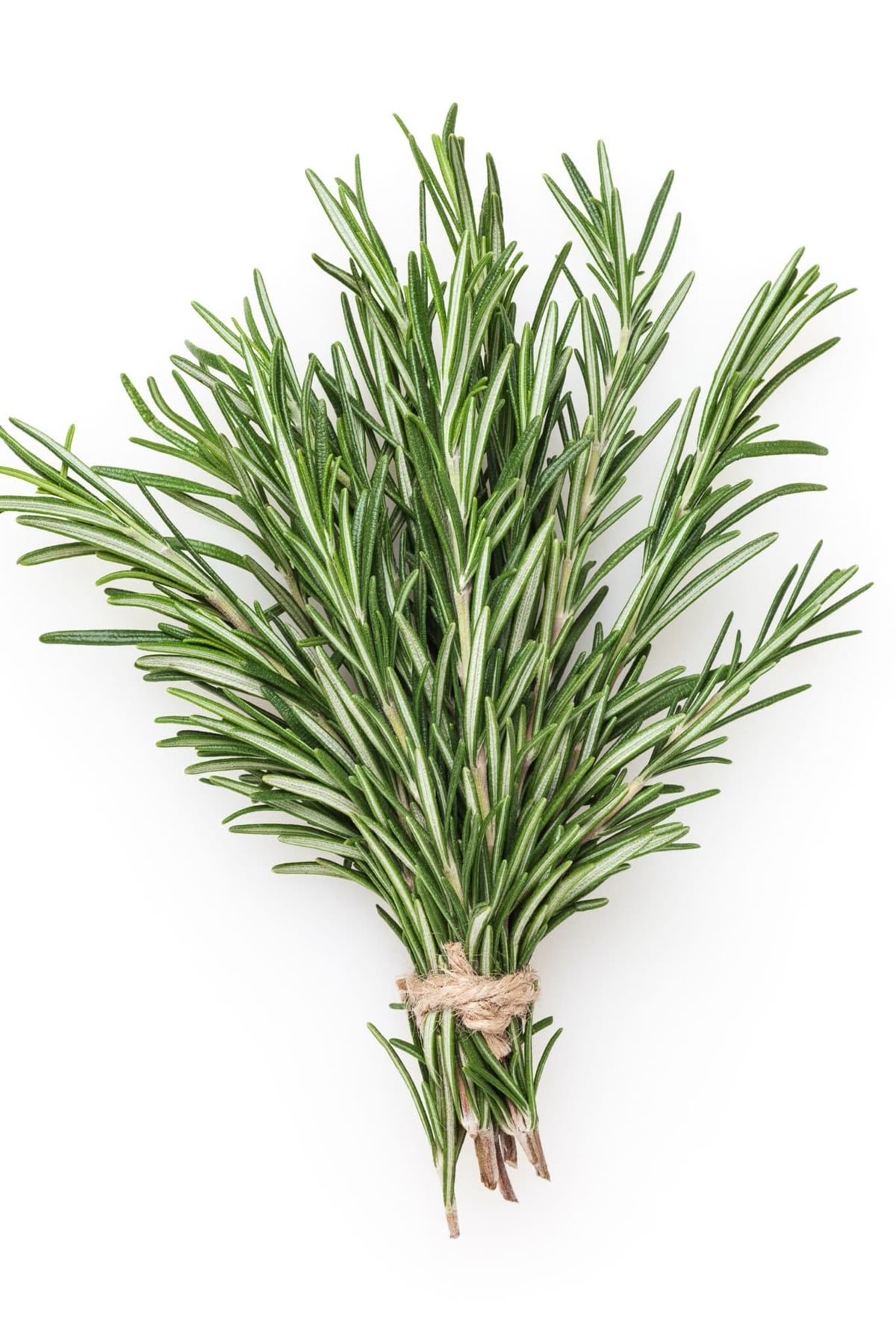
Rosemary (Rosmarinus officinalis) is a fragrant herb long valued for its medicinal and culinary uses. Modern research shows that rosemary can also benefit hair health in several ways. Its essential oils and active compounds are rich in antioxidants and have anti-inflammatory effects.

Experts note that rosemary extract “has gained attention for promoting hair growth” and may even slow graying by reducing stress-related damage. In hair care, rosemary is traditionally used in oils, rinses, and DIY treatments to nourish the scalp and strands. Below, we explore its key benefits—supported by scientific studies—and practical ways to use rosemary for healthier hair.

Promotes Hair Growth

Rosemary oil has been shown to encourage hair growth. In a 2015 clinical trial of people with pattern hair loss, those who applied rosemary oil (or minoxidil 2%) twice daily saw significant hair count increases after 6 months. The study found no significant difference between the rosemary and minoxidil groups, and scalp itching was actually less frequent with rosemary . In other words, rosemary oil was as effective as Rogaine at boosting hair count, but with fewer side effects.

Animal research also supports rosemary’s hair-growth properties. In one mouse study, a 1% rosemary extract lotion produced significantly more hair growth than a 2% minoxidil treatment. The rosemary lotion passed all safety tests and greatly stimulated new hair on rodents. These findings suggest rosemary’s active compounds (like carnosic and rosmarinic acids) help hair follicles enter the growth phase.

Rosemary may work by improving scalp blood flow and blocking hair-loss hormones. It has been shown to slightly inhibit 5-alpha-reductase (the enzyme that converts testosterone to DHT) and to stimulate circulation (see below), giving hair follicles more nutrients. As one dermatologist summarized, rosemary oil “does seem to work” for hair growth. In practice, people use concentrated rosemary oil treatments (often diluted) and report thicker, longer hair after consistent use.

Improves Scalp Circulation

Massaging any oil into the scalp naturally boosts blood flow, but rosemary may have extra circulation benefits on a molecular level. In lab studies, rosemary oil acted on α-adrenergic receptors in smooth muscle, causing vasodilation (expansion of blood vessels). This receptor activity suggests rosemary can increase local blood perfusion. More blood flow means hair roots get more oxygen and nutrients. One review notes that increased scalp circulation “gives your hair the nutrients it needs to…grow more”.

In other words, applying rosemary to the scalp (with massage) can improve microcapillary perfusion around hair follicles. Stronger scalp circulation has been linked to healthier hair growth. This effect complements the vasodilating action of common treatments (like minoxidil) but comes from a natural plant extract. In summary, rosemary’s circulation boost helps nourish hair follicles, supporting thicker, healthier hair over time.

Reduces Dandruff and Itching

Rosemary has anti-inflammatory and antimicrobial properties that can soothe the scalp and fight dandruff. Its compounds can calm irritated skin, reducing flakiness. In fact, a 2024 clinical trial compared rosemary extract lotion to ketoconazole (a standard dandruff shampoo) for seborrheic dermatitis. Both treatments significantly improved scalp scaling and flaking, and patients reported similar quality-of-life improvements. In other words, rosemary performed as well as a commercial antifungal shampoo in treating scalp dandruff.

Moreover, dermatologists note that rosemary’s ability to “limit skin inflammation” helps control dandruff. By reducing itching and calming the scalp, rosemary oil can alleviate mild to moderate dandruff. It also has mild antifungal effects against the yeast (Malassezia) that contributes to dandruff. For these reasons, many use rosemary rinses or add rosemary oil to hair products to help keep the scalp balanced and flake-free.

Strengthens and Nourishes Hair

Rosemary is rich in antioxidants (like rosmarinic and carnosic acid) and nutrients (such as vitamins A and C). These compounds help protect hair proteins (keratin) from damage. Its antioxidant action fights free radicals that can weaken hair and cause breakage. As one expert explains, carnosic acid in rosemary “has anti-inflammatory and antioxidant properties” that can rejuvenate tissue and create an environment where hair “can thrive”. In practice, this means regular rosemary treatments may make hair strands shinier, less brittle, and stronger.

Additionally, rosemary contains flavonoids and other phytochemicals that may inhibit hair loss hormones and support follicle health. Studies have found rosemary extracts rich in flavonoids which are thought to reduce stress on hair follicles . Though direct research on “hair strand strength” is limited, the combined antioxidant, anti-inflammatory, and hormone-balancing effects of rosemary suggest it can improve overall hair quality. Many users report that after using rosemary oil or rinses, their hair feels more conditioned and resilient.

How to Use Rosemary for Hair

Rosemary can be used in various forms. The key is to apply it to the scalp (where it will nourish hair roots). Here are common methods:

•Diluted Rosemary Oil Massage: Add a few drops of pure rosemary essential oil to a carrier oil (like coconut, olive, or jojoba). Massage this blend into your scalp, focusing on roots. Leave it on for at least an hour, or overnight if possible, then shampoo out. Scalp massage enhances blood flow and helps the oil penetrate. Always do a patch test first to check for irritation.

•Rosemary-Infused Shampoo/Conditioner: Mix 1–2 drops of rosemary essential oil into your regular shampoo or conditioner. This lets you apply rosemary every time you wash your hair. Experts say even a small amount “can be added to your shampoo or conditioner” to see benefits.

•Herbal Rinse (Rosemary Tea): Boil fresh or dried rosemary leaves in water, then let the tea cool to lukewarm. After shampooing, pour the rosemary infusion over your hair and scalp as a final rinse. This leaves behind gentle herbal extracts. Though not formally studied, this traditional method is widely practiced for scalp health.

DIY Masks and Serums: Some people mix rosemary oil into homemade masks (e.g., with aloe vera, coconut oil, or yogurt) for added conditioning. Others use commercial hair serums or lotions containing rosemary extract or oil. For instance, a “rosemary hair growth serum” combining rosemary oil with other actives has been tested in clinical trials and found safe and effective.

In all cases, consistency is important. Experts advise using rosemary treatments 2–3 times per week for several months to see effects. A little rosemary goes a long way – usually just a few drops of oil are needed. Focus on applying it to the scalp, not just the hair ends . Over time, this routine can strengthen hair and support growth.

Tip: Pregnant or breastfeeding women should consult a doctor before using rosemary oil, as a precaution (some labels warn against it). Also avoid ingesting rosemary oil and always dilute it to prevent scalp irritation.

Extensive evidence now suggests rosemary is more than a tasty herb – it’s a hair-healthy plant. Scientific studies have shown that rosemary oil can stimulate hair growth (comparable to minoxidil), improve scalp circulation, and soothe dandruff. Its antioxidants and nutrients also help strengthen each hair strand. For practical use, rosemary is most often applied as an essential oil (diluted), a herbal rinse, or an ingredient in shampoos and masks. With regular use, rosemary can leave hair follicles healthier and hair shafts stronger, contributing to thicker, shinier hair.

Posted on Leave a comment

Managing Dandruff Without Harsh Chemicals

Dandruff is one of the most common scalp concerns, affecting up to 50% of the population at some point in their lives. It can be embarrassing, itchy, and sometimes even painful. While over-the-counter medicated shampoos often rely on strong chemicals like zinc pyrithione, coal tar, or selenium sulfide, there’s a growing interest in gentler, more natural approaches.

In this blog post, we’ll explore the causes of dandruff, and then dive into a range of effective, chemical-free strategies you can use at home.

1. Understanding Dandruff: What’s Really Happening?

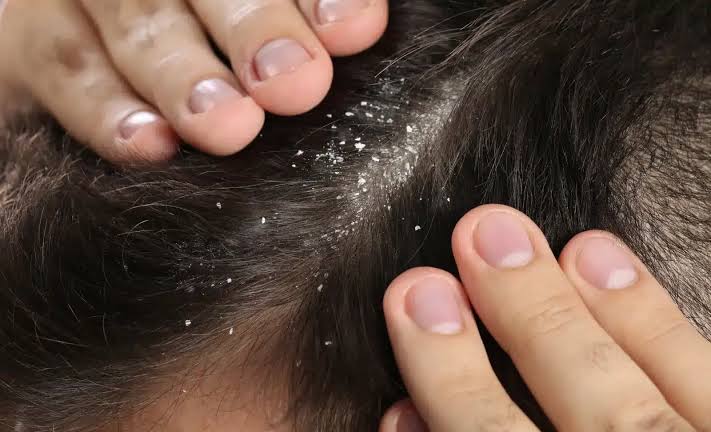
Dandruff manifests as white flakes on the scalp and hair, sometimes accompanied by itching and redness. Two main factors contribute:

Excessive Scalp Oil Production

Sebaceous glands produce sebum to keep skin hydrated. When overactive, they can create an oily environment that favours yeast (Malassezia) growth.

Sensitivity to Scalp Microflora

Malassezia is a naturally occurring yeast on everyone’s scalp. In some people, it metabolizes sebum into irritant by-products, triggering cell turnover and flaking.

Other triggers include stress, climate changes, diet deficiencies, and even certain hair products. Understanding your personal triggers is the first step toward chemical-free management.

2. Gentle Daily Habits for a Healthy Scalp

Before turning to remedies, cultivate scalp-friendly routines:

Regular, Warm (Not Hot) Washing

Hot water strips natural oils excessively. Aim for lukewarm washes, 2–3 times per week, adjusting based on oiliness.

Scalp Massage

A 2-minute circular massage boosts circulation, helps loosen flakes, and encourages natural oil distribution. Do this under the shower with or without a drop of oil.

Brushing with a Natural-Bristled Brush

Gently brush before washing to remove loose flakes and distribute oils down the hair shaft.

Silk or Satin Pillowcases

These reduce friction and hair breakage, and help maintain scalp moisture overnight.

3. Powerhouse Ingredients from Your Kitchen

3.1 Apple Cider Vinegar (ACV) Rinse

Why it works: ACV’s mild acidity helps restore scalp pH (ideal ~4.5–5.5), discouraging yeast overgrowth.

How to use: Mix 1 part raw, unfiltered ACV with 2 parts water. After shampooing, pour over scalp, massage for 1 minute, then rinse with cool water. Use once weekly.

3.2 Coconut Oil

Why it works: Rich in lauric acid with antimicrobial properties; deeply nourishes dry scalp.

How to use: Warm 1–2 tablespoons of virgin coconut oil. Massage into scalp, leave on for 30–60 minutes (or overnight under a shower cap), then shampoo out. Repeat 1–2 times weekly.

3.3 Aloe Vera Gel

Why it works: Anti-inflammatory and moisturizing; soothes itchiness and redness.

How to use: Apply pure aloe gel directly to the scalp. Leave for 20–30 minutes, then rinse. Safe for daily use.

3.4 Tea Tree Oil (Melaleuca Oil)

Why it works: Potent antifungal and antiseptic agent.

How to use: Never apply neat—always dilute. Combine 5 drops of tea tree oil with 1 tablespoon of carrier oil (coconut, jojoba, or sweet almond). Massage into scalp, leave 15–20 minutes, then shampoo. Use once weekly.

3.5 Yogurt and Honey Mask

Why it works: Probiotics in yogurt may rebalance scalp microflora; honey is naturally antibacterial and humectant.

How to use: Mix ½ cup plain yogurt with 1 tablespoon raw honey. Apply to damp scalp, leave 20–30 minutes, then rinse and shampoo as usual. Use bi-weekly.

4. Nutrition and Lifestyle Tips

Hydration: Drink at least 8 glasses of water daily to support skin health.

Balanced Diet: Include omega-3 rich foods (salmon, flaxseeds), zinc (pumpkin seeds, legumes), and probiotics (fermented foods).

Stress Management: Practice yoga, meditation, or regular exercise—stress spikes oil production and inflammation.

Sunlight Exposure: Moderate sun exposure helps reduce yeast load; 10–15 minutes daily is sufficient. Always protect hair color and skin afterward.

5. When to Seek Professional Help

If your dandruff is severe—characterized by intense itching, widespread redness, or patchy hair loss—it may be seborrheic dermatitis or psoriasis. In such cases, consult a dermatologist.

6. Bringing It All Together

Managing dandruff naturally is about consistency and listening to your scalp’s needs. Start with gentle daily rituals, experiment with the kitchen remedies above, and support your body from within through nutrition and stress relief. Most importantly, be patient—natural treatments often take a few weeks to show full results.

By integrating these chemical-free strategies into your hair-care routine, you’ll not only manage dandruff effectively but also promote overall scalp health—without the harsh side-effects. Here’s to a confident, healthy hair.

Posted on Leave a comment

How to Clean Wig Brushes and Combs

Wigs can be an essential part of personal style, a vital accessory for those dealing with hair loss, or even a fun way to try out different looks without commitment. Regardless of the reason for wearing a wig, proper care is crucial to ensure your wig remains beautiful and lasts for a long time.

One often-overlooked aspect of wig maintenance is cleaning the tools used to style them, such as wig brushes and combs. These tools can accumulate hair, styling products, dirt, and oils over time, making them less effective and potentially damaging to your wig. In this comprehensive guide, we’ll walk you through how to clean your wig brushes and combs thoroughly and maintain them for long-lasting use.

Why Is It Important to Clean Wig Brushes and Combs?

Before we dive into the “how,” let’s first understand why cleaning wig brushes and combs is so important. Wig brushes and combs are designed to help you detangle, style, and maintain your wig’s smooth, silky texture. Over time, however, these tools can become caked with oils, hair product residues, dirt, and other buildup. If not cleaned regularly, this residue can transfer to your wig and cause:

  • Product buildup: Hairsprays, gels, and other styling products can build up on your brushes and combs, making them sticky and less effective.
  • Damage to the wig fibers: Dirty tools can pull or tug on the wig fibers, causing unnecessary breakage, frizz, or tangles.
  • Hygiene concerns: Bacteria and dirt on combs and brushes can transfer to the wig, affecting the wig’s condition and potentially causing scalp irritation.
  • Reduced lifespan of tools: Over time, if you don’t clean your tools, they can degrade, become ineffective, or even damage your wig with repeated use.

Regular cleaning of your wig brushes and combs ensures that they work efficiently, prolong the life of your wigs, and maintain the integrity of the wig fibers.

Types of Wig Brushes and Combs

Before we discuss how to clean your wig brushes and combs, it’s essential to know that different brushes and combs are designed for different wig types. Not all wigs are created equal, and neither are the tools used to maintain them. Here are the most common types of brushes and combs you’ll come across when caring for your wig:

1. Wide-Tooth Comb

A wide-tooth comb is ideal for detangling both human and synthetic wigs without causing damage. It’s particularly effective for removing knots and tangles without pulling too hard on the wig fibers.


2. Wig Brush

Wig brushes are specifically designed to detangle and style wigs. They have soft, flexible bristles that prevent snagging and breakage. These brushes are often used for both synthetic and human hair wigs, though you should always check the manufacturer’s recommendations.


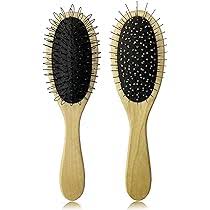
3. Pin Brush

The pin brush has long, thin, flexible pins that are great for smoothing out and detangling wigs. This type of brush works best on straight or slightly wavy wigs. It can also be used to style and add volume.


4. Teasing Comb

A teasing comb has fine teeth and is used for adding volume and teasing hair. It is useful when working with wigs that need a little extra lift or texture, especially when creating a full, voluminous look.


5. Rat Tail Comb

This comb has a long, pointed tail that allows for precise parting, sectioning, and styling. While it isn’t used for detangling, it’s great for adding detail when creating a more defined look with your wig.


6. Denman Brush

Denman brushes feature thick, firm bristles that are particularly suitable for curly and wavy wigs. These brushes are great for defining curls and maintaining the natural texture of the wig.


Materials and Tools You’ll Need to Clean Your Wig Brushes and Combs

Before you begin the cleaning process, gather the following materials and tools to ensure the best results.

Basic Cleaning Supplies

  • Warm water: Never use hot water to clean your tools, as it can warp plastic combs or damage synthetic wigs.
  • Mild shampoo: Use a gentle, sulfate-free shampoo. A baby shampoo or a specialized wig cleaner is also a good option.
  • Baking soda: Baking soda is a gentle abrasive that helps to scrub away product buildup and oils without damaging the tools.
  • Dish soap: Mild dish soap can be a great substitute for shampoo, especially for removing sticky residues.
  • Rubbing alcohol: Rubbing alcohol is an effective solvent for removing stubborn product buildup on wig brushes and combs.
  • Conditioner: Conditioner will help ensure that your tools stay soft and free of buildup after cleaning.
  • Toothbrush or small cleaning brush: A toothbrush with soft bristles works well for getting into small areas of combs and brushes.
  • Clean towel: You’ll need a towel to dry your cleaned tools.

Step-by-Step Guide to Cleaning Wig Brushes and Combs

Step 1: Remove Hair from Your Tools

The first and most crucial step in cleaning your wig brushes and combs is to remove any hair that’s tangled in the bristles or teeth. Use your fingers or a specialized tool, like a plastic comb or toothpick, to pull out the hair carefully.

For brushes, gently pull the strands of hair free, ensuring you don’t damage the bristles. For combs, gently run a toothpick between the teeth to remove hair strands that are stuck in the gaps.

Once all the hair is removed, proceed to the next step.

Step 2: Prepare a Cleaning Solution

Fill a small basin with warm water. Add a few drops of your mild shampoo or dish soap into the water. If your brushes have a lot of buildup or sticky residues, you can add a teaspoon of baking soda to the water to help loosen grime and oil.

Stir the mixture gently until the solution is well blended.

Step 3: Soak the Brushes and Combs

your wig brushes and combs in the cleaning solution. Let them soak for 10 to 15 minutes, allowing the solution to break down product buildup, oils, and dirt

.

  • Synthetic wig brushes: If your brush is made of synthetic material, it may not require as much soaking time, but ensure it’s fully submerged.
  • Human hair wig brushes: Brushes with human hair bristles can be more delicate, so don’t let them soak too long. Instead, opt for spot cleaning to avoid loosening any glue or adhesives.

Step 4: Scrub the Brushes and Combs

After the tools have soaked for a while, take your toothbrush or small cleaning brush and gently scrub the bristles and teeth. Focus on areas with visible buildup, such as around the base of the bristles or between the comb’s teeth.

For wig brushes, use small, circular motions to avoid damaging the brush fibers. Be gentle and avoid harsh scrubbing, which could cause bristles to fall out or bend.

Step 5: Rinse and Repeat If Necessary

Rinse your tools thoroughly under warm running water. Ensure that no shampoo or soap residue is left behind, as this could cause buildup the next time you use your brushes and combs.

If the brush or comb still has residue after rinsing, repeat the cleaning process. Use the toothbrush to scrub again, then rinse thoroughly.

Step 6: Dry Your Brushes and Combs

After rinsing, gently shake off excess water and lay the tools flat on a clean towel to air dry. Never dry your brushes or combs directly under sunlight, as the heat may damage the materials.

You can also use a clean towel to pat the bristles or teeth dry. Be sure to allow the tools to dry completely before using them again to avoid transferring moisture to your wig.

Step 7: Condition (Optional)

For combs and brushes with excessive buildup or sticky residue, you may want to follow up the cleaning process with a gentle conditioner. Apply a small amount of conditioner to the bristles or teeth, leave it on for a few minutes, and then rinse it thoroughly. Conditioner helps maintain the softness and flexibility of the bristles or teeth and prevents product buildup from reoccurring.

Additional Tips for Maintaining Wig Brushes and Combs

  • Regular cleaning: Clean your wig brushes and combs regularly—ideally once a month or after each use, depending on how often you style your wig. If you use styling products daily, you may need to clean them more often.
  • Store tools properly: Always store your brushes and combs in a dry, clean place to prevent dirt and moisture buildup.
  • Use the right tool for the right wig: Always ensure that you’re using the appropriate tool for the wig type. For example, use a wide-tooth comb for detangling curly wigs and a soft-bristled wig brush for straight wigs.
  • Be gentle: Always use a gentle hand when styling and cleaning your wig brushes. Rough handling can damage both the tools and your wig.

Keeping your wig brushes and combs clean is an essential part of maintaining the health and beauty of your wig. Regular cleaning helps prevent buildup, reduces damage to the wig fibers, and ensures your tools remain effective for a long time. By following the steps outlined in this guide, you can keep your wig brushes and combs in top condition, which will ultimately contribute to the longevity and quality of your wigs.

Remember, the condition of your wig styling tools reflects the care you put into your overall wig maintenance routine. Clean tools mean a longer-lasting, healthier wig, so don’t neglect them.

0