Posted on Leave a comment

How Often Should You Wash Your Wig?

Wigs have become an essential part of many people’s lives, offering versatility, convenience, and an opportunity to experiment with different styles. Whether you’re wearing wigs for medical reasons, fashion, or simply as a way to change up your look, proper maintenance is key to keeping your wig looking fresh and feeling comfortable.

One of the most common questions that wig wearers ask is: How often should you wash your wig? While this may seem like a simple question, the answer depends on a number of factors, including the type of wig, how frequently it’s worn, and the materials it’s made from. In this extensive guide, we’ll explore the different aspects of wig care, how to maintain your wig’s appearance, and how often you should wash it to keep it in top condition.

Understanding Different Types of Wigs

Before diving into how often you should wash your wig, it’s important to know what type of wig you have. Wigs come in two main categories: synthetic wigs and human hair wigs, and the care for each differs. Additionally, within these categories, there are different subtypes, including lace front wigs, full wigs, and more.

1. Synthetic Wigs
Synthetic wigs are made from man-made fibers, such as polyester or acrylic. These wigs are popular because they are often more affordable than human hair wigs and come pre-styled. They retain their shape even after washing, making them a low-maintenance option. However, because they are made from synthetic fibers, they can be more prone to tangling, heat damage, and wear over time.

2. Human Hair Wigs
As the name suggests, human hair wigs are made from real human hair. These wigs tend to look and feel more natural, can be styled with heat tools, and typically last longer than synthetic wigs. However, they require more maintenance and care, including frequent washing to keep them looking their best.

Factors to Consider When Deciding How Often to Wash Your Wig

The frequency with which you wash your wig depends on several factors. These include the type of wig, how often you wear it, your lifestyle, and the environmental conditions in which the wig is worn.

1. How Often Do You Wear Your Wig?
If you wear your wig daily or for extended periods, you may need to wash it more frequently than if you wear it only occasionally. The natural oils from your scalp, dirt, sweat, and other environmental factors can build up on your wig, especially if you wear it all day.

If you wear your wig frequently, aim to wash it every 7 to 10 wears. However, if you wear it occasionally or for special events, you can go much longer between washes, perhaps up to once a month, depending on how much buildup accumulates.

2. Are You Exposed to Sweat, Dirt, or Products?
If you’re in a humid environment, working out, or using styling products such as hairspray or gel, you’ll need to wash your wig more often to remove product buildup and any dirt or oils that accumulate. On the other hand, if you wear your wig in a more controlled environment, such as indoors with little sweat or product use, you can extend the time between washes.

3. The Type of Wig and Hair Material
The material your wig is made from directly influences how often you should wash it.
Synthetic Wigs: These don’t require frequent washing since they don’t accumulate natural oils or sweat in the same way human hair does. As a general rule, synthetic wigs should be washed after 6 to 8 wears. Over-washing can damage the fibers, leading to a loss of their shape or texture.

Human Hair Wigs: These wigs require more frequent washing compared to synthetic wigs. Ideally, human hair wigs should be washed after every 7 to 10 wears. If you wear it every day, washing it once a week is a good idea. However, if you’re using a lot of products or styling tools, consider washing it more often.

4. Climate and Environment
Your surroundings also play a major role in how frequently you should wash your wig. For example, if you live in a humid area or a place where pollution levels are high, your wig may get dirty or greasy more quickly. Similarly, if you frequently wear wigs in smoky or dusty environments, they will require more attention.

Signs That Your Wig Needs a Wash

Even though there’s no hard-and-fast rule about when to wash a wig, there are clear signs to look for when it’s time for a wash. Here are some indications that your wig could use a good cleaning:
Greasy or Oily Texture: If your wig starts to feel greasy or oily, it’s time for a wash. This usually happens with human hair wigs that accumulate natural oils from your scalp, or synthetic wigs that are exposed to sweat.

Tangles and Matting: If your wig starts to tangle or mat, it could be because of dirt, product buildup, or exposure to humidity. Washing the wig gently can help remove these tangles.

Funky Odor: A musty or unpleasant smell from your wig can be a sign of sweat, dirt, or product buildup. Washing your wig can help eliminate odors.

Loss of Luster: Over time, wigs can lose their shine, making them look dull. Regular washing, conditioning, and proper care can restore some of the original luster.

How to Wash Your Wig Properly

Washing a wig is a delicate process, especially when considering that improper washing can shorten its lifespan. Whether you have a synthetic or human hair wig, here’s a step-by-step guide on how to wash your wig:

1. Detangle the Wig
Before washing, gently detangle your wig with a wide-tooth comb or your fingers. This prevents knots and tangling during the wash process. Be extra careful when detangling synthetic wigs to avoid damaging the fibers.

2. Prepare the Wash Basin
For human hair wigs, fill a basin with lukewarm water and add a gentle shampoo. For synthetic wigs, use a specific synthetic wig shampoo. Avoid using regular shampoos as they can be too harsh for wigs.

3. Wash the Wig
Submerge the wig in the water, gently swishing it around to cleanse the fibers. Do not rub or twist the wig, as this can damage the fibers. For synthetic wigs, simply rinse with cold water, as hot water can damage the fibers.

4. Condition the Wig
Conditioning your wig, especially human hair wigs, is essential for maintaining softness and manageability. Apply a small amount of conditioner to the wig, focusing on the ends. Allow the conditioner to sit for a few minutes before rinsing it out.

5. Dry the Wig
After washing, gently pat the wig with a towel to remove excess water. Never wring the wig. For human hair wigs, allow them to air dry on a wig stand or mannequin head. Synthetic wigs should also be air-dried, as heat can damage the fibers. Avoid using hair dryers or other heat styling tools unless the wig is specifically designed for heat styling.

6. Styling
Once dry, gently comb and style the wig as desired. For synthetic wigs, avoid heat styling tools unless the wig is labeled as “heat-friendly.”

Tips for Maintaining Your Wig Between Washes

Washing a wig too frequently can wear it down, especially for synthetic wigs. Here are some tips to keep your wig fresh in between washes:

Use a Wig Cap: Wearing a wig cap under your wig helps absorb sweat and oils, preventing them from reaching the wig.

Dry Shampoo: A good dry shampoo can freshen up your wig and absorb oils without having to wash it.
Storage: Always store your wig properly when you’re not wearing it. A wig stand or mannequin head helps maintain its shape.

Avoid Over-Styling: Refrain from using heat or excessive styling products on your wig unless absolutely necessary.

So, how often should you wash your wig? The answer depends on your lifestyle, the type of wig, and how often you wear it. Synthetic wigs typically require less frequent washing than human hair wigs. As a general rule, wash your wig every 7-10 wears, or when you notice buildup, tangling, or an odor. With the right care and maintenance, your wig will stay looking fresh, natural, and ready to wear for longer.

Whether you’re sporting a sleek synthetic style or a luscious human hair wig, proper washing and care are essential to keep your wig looking as beautiful as the day you bought it. Make sure to follow the care instructions specific to your wig type and enjoy your new look for as long as possible.

Posted on Leave a comment

Dealing with Wig Shedding: Tips and Tricks for Maintaining Your Hairpiece

Wigs have become an essential part of many people’s lives, whether for fashion, convenience, or medical reasons. However, one common issue wig wearers face is shedding. Wig shedding can be frustrating, especially when you’re invested in maintaining the look, feel, and longevity of your hairpiece. If you’ve noticed that your wig is shedding more than you’d like, don’t worry—there are several ways to manage this issue and keep your wig looking fabulous for as long as possible. This comprehensive guide will walk you through the causes of wig shedding, along with practical tips and tricks to minimize shedding and maintain your wig’s quality.

What Causes Wigs to Shed?

Before we dive into solutions, it’s important to understand why wigs shed in the first place. Different types of wigs shed for various reasons, and understanding the underlying causes can help you better address the problem.

Type of Wig
Wigs can be made from either human hair, synthetic fibers, or a blend of both. Each type has its own shedding characteristics:

Human Hair Wigs: While they tend to be more durable and natural-looking, human hair wigs can shed over time due to factors like wear and tear, improper storage, or washing techniques.

Synthetic Wigs: Synthetic wigs generally shed less than human hair wigs but are more prone to tangling and breakage, especially when exposed to heat or harsh treatments.

Blended Wigs: These wigs combine both synthetic fibers and human hair, so they may shed more than synthetic wigs but less than pure human hair wigs.

Wear and Tear

As with any product, wigs experience wear over time. Constantly brushing, combing, or wearing the wig can weaken the fibers, leading to shedding. Additionally, daily activities such as sleeping, sweating, or exposure to the elements can contribute to wig shedding.

Improper Care
How you care for your wig plays a significant role in how much shedding occurs. Using the wrong products, not washing the wig correctly, or neglecting to condition the fibers can all contribute to premature shedding.

Heat Damage

High heat can cause synthetic wigs to melt or fray, leading to shedding. Even human hair wigs, though more heat-resistant, can suffer from heat damage if subjected to frequent or excessive heat styling.

Poor Quality or Manufacturing Defects

Sometimes, wigs shed simply because they are poorly made. Low-quality wigs may use weak fibers or subpar construction, which results in more shedding. This is why investing in a high-quality wig is essential for longevity.

Tips and Tricks to Minimize Wig Shedding

Now that we understand what causes wigs to shed, let’s explore some effective tips and tricks to minimize shedding and keep your wig in top condition.

1. Choose the Right Wig for Your Lifestyle
The first step in reducing shedding is choosing a wig that fits your needs. If you’re looking for something low-maintenance, a synthetic wig might be a better choice, as it requires less styling and generally sheds less. However, if you’re willing to spend time caring for a wig and want more versatility, a human hair wig might be the best option. It will require more attention but can last longer if properly cared for.

2. Be Gentle with Your Wig
When it comes to wigs, gentleness is key. Whether you’re brushing, washing, or styling, always handle your wig with care. Avoid pulling too hard on the fibers, as this can cause the hair to break and shed. Invest in a high-quality wig brush or comb designed specifically for wigs, as these tools are less likely to cause damage.
Brush your wig gently starting from the tips and working your way up to the roots. This will prevent tangling and reduce shedding.
Use your fingers to gently detangle the wig if it’s particularly knotted, rather than pulling it through with a comb.

3. Wash Your Wig Properly
Washing your wig is crucial for keeping it clean and fresh. However, washing it too often or using harsh detergents can lead to shedding. Here’s how to wash your wig without causing unnecessary shedding:

Use the right shampoo: Make sure to use a sulfate-free shampoo that is designed for wigs. Harsh chemicals in regular shampoos can strip the wig of its natural luster and cause shedding.
Wash your wig sparingly: Depending on how often you wear your wig, you may not need to wash it every week. Over-washing can weaken the fibers and lead to shedding. Aim to wash your wig every 6–8 wears unless it becomes visibly dirty.

Use lukewarm water: Hot water can damage the wig fibers, so always wash your wig in lukewarm water.
Gently lather and rinse: When washing, gently massage the shampoo into the wig and rinse it with cool water to lock in moisture. Avoid wringing out the wig or twisting it, as this can lead to shedding.

4. Condition and Moisturize Your Wig
Conditioning is vital for keeping the wig fibers soft and healthy. Conditioners help restore moisture and protect the fibers from damage.
Use a leave-in conditioner designed for wigs to keep the fibers hydrated and to reduce tangling.
Don’t over-condition: Too much conditioner can weigh the wig down and cause it to look greasy or limp. Use a small amount of conditioner, focusing on the ends where the hair is most prone to damage.

5. Protect Your Wig from Heat
Heat styling tools, such as straighteners, curling irons, and blow dryers, can severely damage your wig. To prevent heat-related shedding, follow these tips:

Use heat protectant spray: If you must style your wig with heat, always use a heat protectant spray to shield the fibers from damage.

Avoid high temperatures: Even with a heat protectant, it’s best to avoid styling your wig with temperatures higher than 350°F (177°C), especially if it’s synthetic.

6. Store Your Wig Correctly
Proper storage is essential for preventing shedding. If your wig is not stored properly, it can become tangled, matted, and prone to shedding.

Use a wig stand or mannequin head: When you’re not wearing your wig, place it on a wig stand or mannequin head to maintain its shape. This also helps avoid tangling and minimizes wear on the fibers.
Store in a cool, dry place: Heat and humidity can cause wigs to deteriorate. Store your wig in a cool, dry place away from direct sunlight.

Avoid tossing your wig into a drawer or bag: Storing your wig in a disorganized manner can cause the fibers to break and shed. Instead, use a wig box or bag for protection.

7. Trim and Maintain Your Wig Regularly
Trimming your wig every few months can help reduce shedding by preventing split ends and tangles. Make sure to have your wig trimmed by a professional stylist experienced with wigs, especially if you have a human hair wig. Regular trims will keep your wig looking fresh and prevent it from fraying and shedding excessively.

8. Avoid Tight Fitting Caps and Headwear
While it may be tempting to secure your wig with tight caps or headbands, this can put unnecessary stress on the wig fibers and cause shedding. Instead, use a comfortable wig cap that fits snugly without causing tension on the wig’s base.

9. Treat Your Wig Gently After Swimming or Exercising
If you’re wearing your wig while swimming or exercising, be cautious. Saltwater, chlorine, and sweat can damage the fibers and cause shedding. Always rinse your wig with cool water after exposure to these elements and gently pat it dry with a towel.

10. Invest in High-Quality Wigs
Finally, one of the most important factors in minimizing wig shedding is investing in a high-quality wig from a reputable brand. While premium wigs may come with a higher price tag, they are often built to last longer and shed less. When purchasing a wig, look for customer reviews, certifications, and expert recommendations to ensure you’re getting a durable and well-made product.

Dealing with wig shedding can be a challenge, but with the right care and maintenance, you can extend the life of your wig and keep it looking its best. Remember to choose a wig that suits your lifestyle, be gentle with your hairpiece, wash and condition it properly, protect it from heat, and store it correctly. By following these tips and tricks, you can reduce shedding and maintain a beautiful, natural-looking wig for longer.
With consistent care, your wig can be a long-lasting and reliable accessory, boosting your confidence and allowing you to look and feel your best every day.

Posted on Leave a comment

Common Problems Faced When Using a Sewing Machine to Make a Wig.

Creating wigs using a sewing machine is a popular method for both seasoned professionals and hobbyists. The process is often faster and can yield a high-quality, customized result, but it is not without its challenges. Whether you’re crafting wigs for personal use or for clients, you’re bound to encounter a variety of issues that may make the process feel frustrating or overwhelming. From sewing machine malfunctions to issues with the materials themselves, the hurdles can feel numerous.

This guide aims to explore the most common problems faced when using a sewing machine to make wigs, providing solutions and helpful tips for overcoming these challenges. Whether you’re just getting started with wig-making or you’re looking to refine your craft, these insights will assist you in making your wig-making experience smoother and more successful.

1. Thread Tension Problems: Uneven Stitches and Thread Bunching

Problem: One of the most common issues faced when using a sewing machine to create a wig is improper thread tension. If the machine’s upper or lower thread tension is too high or too low, the resulting stitches may be uneven or weak. This can cause the threads to break, the material to bunch up, or stitches to skip entirely. In a wig-making context, this can lead to jagged lines of stitching, loops on the underside of the fabric, and an overall untidy appearance.

Solution:

Adjusting Tension: Always start by adjusting your thread tension to a medium setting before fine-tuning it based on your fabric. For most wig materials like lace or wig caps, a balanced tension between the top and bobbin threads is key. Test this on a scrap piece of fabric to see how the machine behaves.

Thread Selection: Use high-quality polyester or nylon thread, as it is durable enough to handle the sewing of wig hair without breaking or causing uneven tension.
Proper Threading: Ensure your sewing machine is properly threaded, including the bobbin. Incorrect threading can lead to tangled thread, skipped stitches, and other problems.

Needle Choice: The wrong needle can affect thread tension. Always choose a needle size suited to the wig-making fabric you’re working with. For example, when sewing lace or mesh, choose a ballpoint needle to avoid snags.

2. Thread Breakage: Common but Preventable

Problem: Thread breakage is an issue that many encounter while sewing wigs. Whether due to the material you’re working with, improper needle choice, or incorrect machine settings, thread breakage can be a frustrating and time-consuming problem. It can occur at any point in the sewing process and usually results in having to undo work and start over.

Solution:

Check Thread Quality: Always use high-quality, durable threads designed for heavy-duty sewing, such as polyester or nylon. Avoid using cotton thread, as it’s too brittle for wig-making and may snap easily under tension.

Proper Threading: Double-check the threading of both the top and bottom threads. A simple misthreading can cause the thread to break, especially under high tension.

Right Needle: Using a blunt or bent needle can create friction and cause thread to snap. Always replace needles if you notice any damage. Use the right needle for the fabric and the hair you’re sewing. A ballpoint needle is great for elastic wig caps, while a sharp needle may be needed for thick, coarse hair.

Sewing Speed: Sew at a slower pace to avoid putting too much stress on the thread. Rushing through the process can cause unintentional breakage.

3. Needle Breakage: A More Frustrating Problem

Problem: Needle breakage is another unfortunate but common issue when sewing wigs. The reasons for needle breakage vary. It could be due to an inappropriate needle size, improper machine settings, or even a sudden shift in the fabric while the machine is in motion. When the needle breaks, it often requires stopping work entirely to replace the needle, which can be especially inconvenient when working with delicate materials or complex wig designs.

Solution:

Needle Size and Type: Ensure you’re using the right needle for your fabric and hair type. For lace caps, use a ballpoint needle (size 11-14) to prevent snags. When working with synthetic hair, use a fine needle (size 9-11) to prevent damage to the fibers.

Regular Needle Replacement: Replace the needle after a few hours of sewing or if you notice the needle starting to show signs of wear (bending or dullness). A dull needle can break easily.

Slow Sewing: When working with more delicate fabrics or synthetic hair, slow your sewing pace to reduce the chances of the needle breaking due to excessive force or incorrect alignment.
Proper Alignment: Be sure that the fabric and hair are properly aligned when feeding them into the machine. Misalignment can place unnecessary stress on the needle and cause it to snap.

4. Uneven Stitching and Skipped Stitches: Aesthetic Issues

Problem: Uneven stitching and skipped stitches are significant aesthetic issues when sewing wigs. This often happens when the machine is not properly set up or the fabric isn’t being fed through the machine smoothly. It may also occur if the sewing machine’s needle or feed dogs are not functioning properly.

Solution:

Machine Settings: Check that your machine is set to the correct stitch type and length. For wig-making, a zigzag or stretch stitch is commonly used to give flexibility and strength to the wig.

Proper Threading and Tension: Incorrect threading or tension can cause skipped stitches. Adjust the tension until the stitches look consistent and secure.

Needle Check: Make sure the needle is not bent or dull. If you notice skipped stitches despite proper machine settings, it’s likely time for a new needle.

Sewing Speed: When sewing delicate materials or thin wig caps, reduce the speed on your machine. Going too fast can cause the machine to skip stitches, especially in areas with thicker hair wefts.

5. Wig Cap Issues: Shifting, Wrinkling, and Stretching

Problem: One of the most frustrating problems when making a wig with a sewing machine is dealing with wig cap issues. The wig cap serves as the base on which you sew the hair wefts, but it can sometimes shift, stretch, or wrinkle as you sew, leading to an imbalanced wig that doesn’t fit well.

Solution:

Secure the Cap: Pin the wig cap securely to a mannequin head or wig block to keep it in place while you work. This helps prevent shifting and stretching while sewing.

Use Fabric Stabilizers: For slippery wig caps, especially lace or silk materials, consider using a fabric stabilizer to provide extra grip and prevent the cap from shifting.

Test Fit Frequently: Regularly check the fit of the wig cap as you sew to ensure it retains its shape and doesn’t become too tight or loose during the process.

Elastic Bands: Incorporate adjustable elastic bands inside the cap to allow for easy size adjustments once the wig is completed. This also helps to ensure that the wig stays secure on the wearer’s head.

6. Hair Tangles and Knotting: Managing Synthetic and Human Hair

Problem: Tangling and knotting are particularly common when working with synthetic wig hair, especially if the fibers are finer or more delicate. As the hair strands are fed through the machine, they may catch on the presser foot or the needle, causing tangles that can ruin your project.

Solution:

Detangle Hair Before Sewing: Always thoroughly detangle the hair before starting the sewing process. Use a wide-tooth comb or specialized wig comb to gently work out any knots and tangles.

Use Anti-Static Products: Apply an anti-static spray or conditioner designed for wigs to help reduce the chances of tangling, particularly with synthetic hair.

Work with Smaller Sections: Instead of trying to sew large sections of hair all at once, break the hair into smaller, manageable portions. This will help prevent tangling and allow for more precise, controlled stitching.

Hand-Knotting Alternatives: In some cases, you may want to skip the machine and hand-knot the hair onto the cap. This can provide a cleaner, more controlled result when working with high-quality human hair or delicate fibers.

7. Fit and Shape Issues: Adjusting the Wig to the Wearer’s Head

Problem: After you’ve completed the sewing process, you may notice that the wig doesn’t fit properly, is too tight, or doesn’t sit securely on the wearer’s head. This is a common issue, especially when the wig cap was not properly measured or adjusted.

Solution:

Accurate Measurements: Always take accurate measurements of the wearer’s head before you start. This includes measuring the circumference, front-to-back distance, and ear-to-ear distance.

Adjustable Bands: Install adjustable elastic bands or straps inside the wig to allow for adjustments after the wig is completed.

Test the Fit: As you sew, try the wig on periodically to ensure that it fits properly and comfortably. If necessary, make adjustments to the cap size or the hair wefts before finishing.

While making wigs with a sewing machine can be a rewarding process, it is certainly not without its hurdles. From thread tension and machine feeding issues to problems with needle selection, hair tangling, and fitting, understanding the common challenges will make you better prepared to handle them and ensure your success.

By following the solutions outlined in this guide and continuing to refine your technique, you can overcome these obstacles and create beautiful, high-quality wigs that fit well and look professional. Take your time, experiment with different settings, and remember that practice is key to becoming proficient in wig-making. With patience and perseverance, you’ll be well on your way to producing stunning wigs with ease.

Posted on Leave a comment

The Ultimate Guide to Protecting Your Wigs While Traveling.

Traveling is one of life’s greatest joys. Whether you’re jet-setting for business, embarking on a family vacation, or simply exploring a new city, the experience is always exciting. However, for those who wear wigs, traveling can also be a source of anxiety. The potential for damage to your wig while navigating airports, packing for a trip, and dealing with changes in climate or humidity is something many wig-wearers worry about. After all, a well-maintained wig is not just a style statement; it’s also a part of your identity, providing comfort, confidence, and a sense of normalcy.

But fear not, With the right precautions, you can keep your wig in tip-top shape while on the move. In this detailed guide, we will walk you through everything you need to know about protecting your wig while traveling, from pre-trip preparations and packing tips to maintenance on the go. Whether you wear a human hair wig, a synthetic wig, or a blended style, these tips will ensure that your wig stays in perfect condition no matter where you go.

Why Protecting Your Wig While Traveling is Essential

First, let’s understand why it’s so important to take care of your wig during travel. Your wig faces several potential threats during a trip:

Physical Damage from Packing and Handling: Luggage being tossed around, squished, or mishandled can cause your wig to lose its shape, resulting in tangling, frizzing, or even breakage. Wigs that are not properly stored can become misshapen, making them harder to style when you reach your destination.

Environmental Factors: Wigs are vulnerable to changes in temperature, humidity, and air quality. For example, air conditioning in an airplane or hotel room can dry out wig fibers, while excessive humidity can cause synthetic fibers to swell or lose their texture. Extreme temperatures can also alter the wig’s shape or texture, particularly if it’s made of synthetic materials.

Tangling and Frizzing: Longer wigs or curly styles can become tangled or frizzy during travel, especially if they are packed without enough protection. Improper storage leads to hours spent untangling your wig instead of enjoying your trip.

Risk of Exposure to Dirt, Moisture, or Sunlight: When wigs are stored incorrectly, they may come into contact with dirt or moisture, which can lead to permanent damage. The sun’s rays can also cause color fading over time, especially in human hair wigs.

Now that we understand the risks, let’s look at the comprehensive steps you can take to protect your wig during your travels.

1. Preparing Your Wig Before You Travel
Preparation is key. Taking the right steps before you pack your wig can ensure it stays in the best possible condition during your trip.

Wash and Condition Your Wig
If you’ve been wearing your wig for a while and it’s due for a wash, take the time to cleanse it thoroughly before your trip. This will prevent any product buildup or dirt from transferring to your clothes or luggage.

Human Hair Wigs: Use a gentle sulfate-free shampoo and conditioner designed for human hair wigs. Make sure the conditioner is hydrating to keep the wig’s strands soft and manageable. Afterward, allow the wig to air dry completely on a wig stand or mannequin head. Never wring it out or use excessive heat, as this can damage the fibers.

Synthetic Wigs: Synthetic wigs are typically not as high-maintenance as human hair wigs but still require gentle care. Use a special synthetic wig shampoo and conditioner, as regular hair care products could degrade the synthetic fibers. Rinse with cold water and air-dry the wig in its natural shape to avoid any deformation.

Detangle Your Wig
Before you travel, take the time to detangle your wig thoroughly. Use a wide-tooth comb or your fingers to carefully work through any knots. Be gentle, especially with curly wigs or long hair, as pulling too hard can cause damage to the fibers. This will also reduce the chances of your wig becoming a tangled mess during travel.

Trim and Style Your Wig
If your wig has grown long or is due for a trim, consider doing so before your trip. It’s much easier to manage a wig that is freshly trimmed, and it’ll save you time and hassle while traveling. You can also re-style your wig if you wish, ensuring it’s in its best shape for your trip. This way, when you reach your destination, you won’t need to spend too much time adjusting or restyling it.

2. Packing Your Wig: The Key to Safe Travel
Once your wig is prepped and styled, it’s time to pack it. Proper storage is critical to ensuring your wig arrives at your destination in one piece. There are several packing options to consider, depending on your travel method and the type of wig you have.

Use a Wig Stand or Mannequin Head
One of the best ways to keep your wig in good shape during travel is by storing it on a wig stand or mannequin head. This method ensures that the wig maintains its shape and prevents it from becoming squished or misshapen. Many travel-friendly mannequin heads are collapsible, making them easy to pack in a suitcase or carry-on bag. Additionally, storing your wig on a stand will allow for air circulation, preventing it from becoming damp or moldy due to moisture buildup.

Invest in a Wig Storage Box
For extra protection, consider investing in a dedicated wig storage box. These boxes are specifically designed to keep wigs safe during travel, providing a structured space that helps prevent the wig from being crushed. Look for a box that is sturdy and has enough room to house the wig without it being too tight, which could cause it to lose its shape. Some boxes even come with dividers to prevent tangling.

Use a Wig Cap and Mesh Net
Another excellent solution is to use a wig cap and mesh net. These simple tools will help hold your wig in place while you travel and prevent it from tangling or becoming frizzy. Wig caps are especially useful when traveling by air, as they help keep your wig snug and secure while minimizing movement inside your suitcase or bag.

Zippered Bag or Travel Pouch
If you’re traveling light or don’t have room for a wig stand or storage box, a zippered travel bag or pouch is an effective alternative. You can use a small ziplock bag or invest in a purpose-made wig travel pouch. Just be sure to carefully place your wig inside without squeezing it, and avoid cramming it with other items that might damage it. Keep the wig in a cool, dry location inside your luggage to prevent it from getting exposed to moisture or extreme temperatures.

3. Traveling with Your Wig: On the Road, Air, and Sea
The type of travel you’re undertaking will influence how you store and protect your wig during your journey. Here are tips tailored to different modes of transportation:

Air Travel
Carry-On Luggage: Always carry your wig in your carry-on bag, rather than checked luggage. The overhead bins in airplanes often do not provide enough protection for your wig. The constant jostling of checked luggage can also cause your wig to get crushed, tangled, or damaged.

Air Conditioning and Humidity: Airplanes are often very dry, with air conditioning that can strip moisture from both your skin and hair. A wig that’s too dry can become frizzy and difficult to manage. Consider using a lightweight mist or a protective wig spray that provides hydration and helps lock in moisture.

Avoid Overhead Pressure: If you plan to stow your wig in the overhead bin, ensure that it’s placed in a soft-sided bag or box to protect it from any heavy items that may be placed on top.

Road Trips and Train Travel

Storing the Wig: When traveling by car or train, keep your wig in a safe, secure place. If you’re driving, consider placing your wig on the passenger seat, where it will be free from pressure. If you’re using a suitcase, opt for a padded or structured one to avoid the wig being crushed.

Climate Changes: Road trips can take you through a variety of weather conditions, so it’s essential to be prepared for changes in temperature and humidity. A protective bag that allows some air circulation is ideal to prevent moisture from building up.

Cruises and Beach Destinations

Humidity Awareness: Cruise ships and beach destinations tend to have high humidity levels. For synthetic wigs, humidity can cause the fibers to swell or lose their shape, so it’s especially important to store them in a cool, dry place. Use a dehumidifier in your hotel room or a protective travel bag that seals the wig from excessive moisture.

Saltwater and Chlorine: If you’re heading to the beach, avoid letting your wig come into direct contact with saltwater or chlorine, as these can damage both human and synthetic hair. If your wig gets wet, rinse it with fresh water and let it dry naturally, avoiding the use of direct heat.

4. Maintaining Your Wig While Traveling
While you’re on your trip, there are a few things you can do to ensure your wig stays in top condition:

Keep the Wig Hydrated
Synthetic wigs can become dry and stiff over time, especially in dry climates or after prolonged exposure to the elements. Lightly spritz your wig with a wig-specific leave-in conditioner or spray designed to hydrate the fibers. Be sure to do this sparingly, as too much product can weigh the wig down.

Avoid Excessive Heat and Sunlight
Even if your wig is made of human hair, avoid exposing it to prolonged sunlight or heat, which can cause the fibers to dry out, fade, or lose their shape. Wear a hat or scarf to protect your wig from the sun, or store it in a shaded area when not in use.

Gentle Detangling
While traveling, your wig may need occasional detangling, especially if it’s long or curly. Be gentle when detangling, using a wide-tooth comb or your fingers to avoid causing breakage. Always start from the tips of the hair and work your way up to the roots.

5. Re-Styling and Touching Up After Your Trip
Once you’ve reached your destination, you may find that your wig needs a little touch-up. Whether the humidity or pressure from traveling has affected its look, here’s how to refresh your wig:

Human Hair Wigs: You can wash and restyle human hair wigs just like your own hair. Use a flat iron or curling wand to restore your desired look. Just be sure to use heat protectant sprays to avoid further damage.

Synthetic Wigs: Synthetic wigs often don’t respond well to heat styling. Instead, you can use a fabric steamer to gently reshape the wig or steam out any creases that may have formed during travel. If your wig is severely flattened, it may require a professional restyle.

Traveling with wigs doesn’t have to be a daunting experience. By taking the right steps to prepare, pack, and maintain your wig while on the move, you can ensure that your wig stays in pristine condition no matter where your travels take you. From careful packing and storage to addressing environmental factors and offering gentle maintenance on the go, these tips will help you protect your wig and preserve your look throughout your journey. With a little extra care, you can enjoy your travels without worrying about your wig! Safe travels, and may your wig always be fabulous.

Posted on Leave a comment

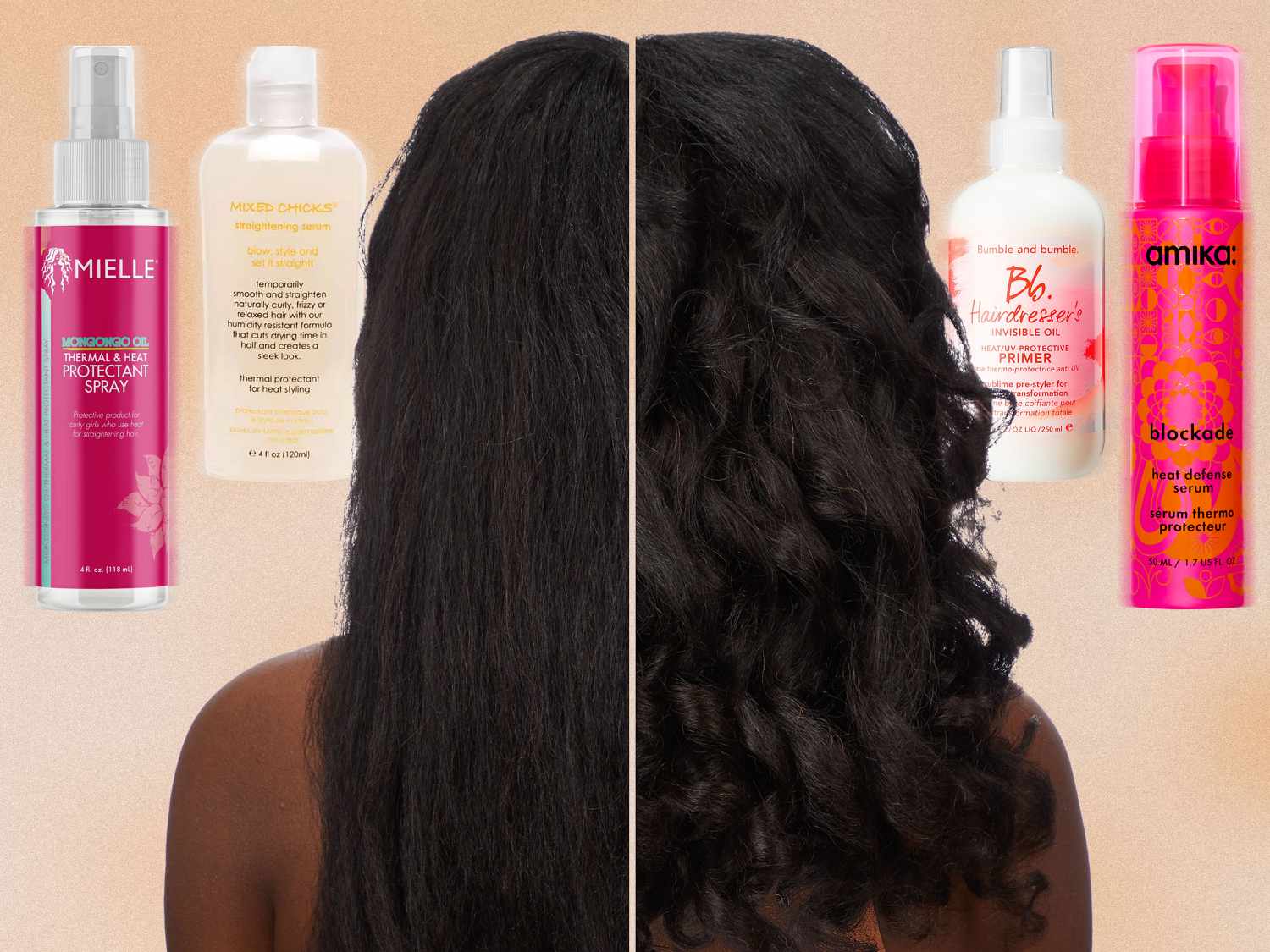
How and When to Use Serum vs Liquid Spray Heat Protectors

In today’s world of hair styling, heat tools like flat irons, curling irons, blow dryers, and straighteners have become almost essential in the routine of many people. Whether you’re aiming for sleek, straight locks, defined curls, or a bouncy blowout, these tools help achieve the desired look. However, consistent use of heat can take a toll on your hair. Heat styling tools can strip the hair of moisture, cause breakage, and leave it looking dull and lifeless. This is where heat protectors come in.

Heat protectants are hair care products designed to create a protective barrier between your hair and the high temperatures produced by styling tools. They act as a shield, preventing the heat from causing damage to your hair. Among the most commonly used heat protectants are serum-based formulas and liquid sprays. These two types of protectors each offer unique benefits, and knowing when and how to use them can significantly improve the health and appearance of your hair.

This blog will delve deep into serum and liquid spray heat protectors, discussing their unique properties, when to use each one, how to apply them, and their benefits for different hair types. We’ll explore the crucial aspects of heat protection so you can make informed choices and protect your hair from unnecessary damage.

What Are Heat Protectants and Why Are They Important?

What Are Heat Protectants?

Heat protectants are specially formulated products designed to minimize the damage caused by the high temperatures of styling tools. They create a protective barrier over the hair, which helps to prevent moisture loss, reduce hair breakage, and preserve the overall integrity of the hair shaft. While heat protectants can be found in various forms, they typically come in two primary types: serums and liquid sprays.

Serum heat protectants are typically thicker, oil-based formulas that coat the hair more heavily.

Liquid spray heat protectants are usually lighter, water-based products that distribute evenly with a fine mist.

Both forms of protectants work by lowering the temperature of the hair shaft to prevent thermal damage while styling. Heat protectants also help in preserving hair color, keeping hair hydrated, and reducing frizz or flyaways.

Why Heat Protectants Are Crucial for Hair Care

The importance of heat protectants cannot be overstated. Using them regularly can help ensure your hair stays healthy despite frequent exposure to heat. Here are some of the main reasons heat protectants are vital:

Prevention of Heat Damage: The most obvious reason to use a heat protectant is to prevent heat damage. When heat is applied to your hair, it can strip moisture and cause the cuticle (the outer layer of the hair) to open, leading to dry, brittle hair that is prone to breakage. A heat protectant helps to preserve the moisture in your hair, keeping it hydrated and protected.

Maintaining Hair Color: Heat can also cause color-treated hair to fade prematurely. By using a heat protectant, you create a barrier that shields the color molecules in the hair from being damaged by the high heat, helping your color last longer.

Improved Texture and Smoothness: Heat can cause hair to become frizzy, rough, and difficult to manage. Heat protectants, especially those with smoothing ingredients like silicones or oils, help to seal the cuticle, making hair smoother and more manageable. This also adds shine and a polished appearance to your finished style.

Reduced Frizz and Flyaways: One of the side effects of heat styling is frizz. Heat disrupts the natural moisture balance in the hair, causing it to swell and create frizz. Heat protectants often contain ingredients that prevent this swelling, keeping the hair smooth and frizz-free for longer periods.

Enhanced Styling Results: Heat protectants can also improve the overall outcome of your styling. They make the hair more pliable, ensuring that styles like curls, waves, or straightened looks hold better and last longer. They also provide a smooth base for styling, making tools glide through the hair without tugging or pulling.

Serum Heat Protectors vs. Liquid Spray Heat Protectors

Heat Protectant Serums

Heat protectant serums are typically thicker, oil-based products designed to coat the hair thoroughly. They provide a more intense layer of protection, especially for those with coarse or dry hair. These serums are often infused with nourishing oils such as argan oil, jojoba oil, or silicones, which help to smooth the hair, lock in moisture, and add a layer of protection.

When to Use a Heat Protectant Serum

For Thick, Coarse, or Curly Hair: Serums are particularly beneficial for individuals with thick, coarse, or curly hair, as these hair types tend to be more porous and prone to damage. Serums provide a heavier coating that helps to lock in moisture, tame frizz, and provide extra protection against high heat.

For Frizz Control: If you struggle with frizz, a serum will be your best friend. Serums help smooth down the cuticle layer of your hair, preventing it from puffing up and creating frizz. They also help to add shine, giving your hair a sleek and polished appearance.

For High-Heat Styling: When using styling tools that reach high temperatures, such as flat irons or curling irons set to 400°F or higher, a serum can offer superior protection. The thicker consistency of serums helps them form a more substantial barrier against the heat, preventing moisture loss and damage.

For Added Shine and Smoothness: If you want your hair to shine and look healthy, serums are often the go-to product. Many serums contain ingredients like silicones that reflect light, giving your hair a glossy, smooth finish. They also help prevent the hair from appearing dull or lackluster after styling.

For Deep Nourishment: Many heat protectant serums are enriched with nourishing oils and vitamins that help repair and maintain hair health. If your hair is dry or damaged, a serum will not only protect it from heat but also provide added hydration and nourishment.

How to Use a Serum Heat Protector

Apply to Damp Hair: For the best results, apply a serum to damp, towel-dried hair. This allows the serum to coat the hair evenly before you apply any heat.

Use a Small Amount: Start with a small amount of product (usually a pea-sized amount is sufficient for medium-length hair). If you have longer or thicker hair, you may need a bit more.

Distribute Evenly: Rub the serum between your palms and gently run your hands through your hair, focusing on the mid-lengths to the ends. Avoid the roots to prevent your hair from looking greasy.

Comb Through: Use a wide-tooth comb to ensure the product is evenly distributed and to detangle any knots.

Style as Usual: Once your hair is prepped, proceed with styling using your heat tools. You’ll notice that your hair will be smoother, shinier, and more protected from damage.

Heat Protectant Liquid Sprays

Liquid spray heat protectants are lighter, more fluid formulas that often come in spray bottles for easy application. These sprays are typically water-based and can contain alcohol or other ingredients that allow them to dry quickly without leaving a greasy residue. Liquid sprays offer lighter protection compared to serums but can still provide effective heat defense.

When to Use a Heat Protectant Liquid Spray

For Fine or Thin Hair: If you have fine or thin hair, a liquid spray is often the better option. It provides heat protection without weighing the hair down. The light mist ensures that your hair won’t lose its natural volume and movement.

For Quick Application: Liquid sprays are ideal for people in a hurry or who prefer a fast and easy way to protect their hair. The spray distributes evenly, so you don’t have to worry about using your hands or working it through your hair manually.

For Moderate Heat Styling: If you’re styling your hair at lower temperatures or using tools like blow dryers on a medium heat setting, a liquid spray can provide sufficient protection without the added weight of a serum. It’s great for light or everyday styling that doesn’t involve high heat.

For Natural or Beachy Looks: If you’re aiming for a natural, undone style, a liquid spray is perfect. It won’t weigh down your hair or interfere with its texture. Liquid sprays are great for keeping curls or waves bouncy and soft without making them look stiff or heavy.

For Oily or Greasy Hair: If you struggle with oily or greasy hair, a liquid spray is usually the better option. Unlike serums, sprays won’t add any extra weight or oil to your hair. They offer protection without making your hair feel greasy or weighed down.

How to Use a Liquid Spray Heat Protector

Spray on Damp or Dry Hair: Liquid sprays can be used on damp hair before blow-drying or on dry hair before using a curling iron or flat iron. It’s best to spray the product evenly on your hair to ensure consistent coverage.

Spray from a Distance: Hold the bottle about 6-8 inches away from your hair and mist it evenly. This ensures that the spray is distributed across a large surface area without saturating any one section of hair.

Comb or Brush Through: After spraying, use a comb or brush to distribute the product evenly throughout your hair. This step helps ensure that every strand gets protected.

Proceed with Styling: Once your hair is adequately coated, go ahead with styling your hair using your desired heat tools.

How to Choose Between Serum and Liquid Spray

Selecting the right heat protectant for your hair largely depends on your hair type, the styling tools you use, and your desired results. Here’s a quick breakdown of when to choose serum vs. liquid spray:

Choose Serum if: You have thick, coarse, or curly hair, need extra hydration, want added frizz control, or are styling with high-heat tools.

Choose Liquid Spray if: You have fine or thin hair, want lightweight protection, need a quick application, or are styling with moderate heat.

Choosing the right heat protectant is key to preserving the health of your hair while still achieving the styles you love. Whether you choose a serum or a liquid spray will depend on your hair type, styling routine, and desired level of protection. Both serums and sprays have their unique benefits, and understanding when and how to use them will ensure your hair stays protected from heat damage and remains shiny, smooth, and healthy for longer.

So, the next time you reach for your curling iron or blow dryer, don’t forget to grab your heat protectant, your hair will thank you for it.

Posted on Leave a comment

How to Prevent Static in Synthetic Wigs.

Wigs are a popular and versatile solution for many people, offering the ability to change your look without making permanent changes to your natural hair. Whether you’re sporting a synthetic wig for fashion, convenience, or medical reasons, it’s crucial to care for it properly to ensure it always looks its best. However, one of the most common problems synthetic wig owners face is static electricity. Static can leave your wig looking frizzy, messy, and downright unmanageable, especially in cold or dry weather conditions.

In this extensive guide, we will walk you through everything you need to know to prevent static buildup in synthetic wigs and maintain your wig’s sleek, smooth, and natural appearance over the long term. By following these tips and tricks, you can enjoy your synthetic wig without the hassle of unwanted frizz or flyaways.

Understanding the Science of Static Electricity in Synthetic Wigs

Before diving into the solutions, it’s important to first understand why static electricity affects synthetic wigs. Static buildup occurs when there’s an imbalance of electric charges between two objects, which results in them either attracting or repelling each other.

Synthetic wigs are typically made from fibers such as polyester, acrylic, or nylon. These materials are designed to resemble natural hair but do not have the same moisture content as human hair. The absence of natural oils in synthetic fibers makes them more prone to drying out, which can make static problems worse. Additionally, the fine synthetic fibers often rub against each other or the wearer’s clothing, generating an electrostatic charge that causes the fibers to repel one another. This results in the annoying flyaways and frizzy texture that so many wig wearers experience.

Environmental factors play a significant role as well. Dry weather, especially during winter months when indoor heating is in full use, strips the air of moisture. This, in turn, creates a more favorable environment for static electricity to build up, exacerbating the issue. Now that we know what causes static, let’s explore how to effectively prevent it.

1. Proper Conditioning Is Key

Just like your natural hair, synthetic wigs need to be kept moisturized to maintain their softness and prevent static. While synthetic fibers don’t benefit from natural oils, they can still be hydrated with the right products. Proper conditioning is one of the most essential steps in ensuring your wig stays smooth and static-free.

Using Synthetic-Specific Conditioners

Avoid using traditional hair conditioners, as they can weigh down the synthetic fibers, causing the wig to look greasy or limp. Instead, opt for conditioners specifically formulated for synthetic wigs. These conditioners typically come in spray or leave-in formulations and are designed to hydrate the fibers without making them sticky.

Apply a light mist of synthetic wig conditioner evenly across the hair, focusing more on the ends, which tend to get drier. Be careful not to oversaturate the wig, as too much conditioner can result in a greasy appearance or attract dust and dirt. Conditioning your wig every time you wash it will not only reduce static but also help the fibers maintain their natural luster and manageability.

2. Anti-Static Sprays Are Your Best Friend

One of the most direct and effective ways to combat static in synthetic wigs is to use anti-static products designed for wigs. Anti-static sprays work by neutralizing the electrical charges that cause the fibers to repel each other. These products are quick and easy to use and can have an immediate effect on frizz and flyaways.

How to Use Anti-Static Spray

Anti-static sprays for wigs are usually applied in light, even layers. Hold the bottle about 6-8 inches away from the wig and mist the spray lightly over the entire surface. Make sure not to oversaturate the fibers, as this can make the wig feel damp or heavy. Once applied, comb through the wig gently with a wide-tooth comb to distribute the spray and ensure an even coverage.

Some wig wearers prefer to use an anti-static brush in addition to or instead of the spray. These brushes are designed with conductive bristles that help dissipate static buildup as you brush through the wig. An anti-static brush can also smooth down any flyaways, making your wig look sleeker and more natural.

Choose the Right Product

When selecting an anti-static product for synthetic wigs, be sure to choose one that’s specifically made for synthetic fibers. Some regular anti-static sprays or household products may contain ingredients that could damage the wig or reduce its lifespan.

3. Avoid Excessive Heat and Styling

Many synthetic wigs are heat-resistant to some extent, but they are not immune to damage from excessive heat. While human hair can be styled with hot tools like flat irons, curling irons, and blow dryers, synthetic fibers can melt or become misshapen if exposed to too much heat. The damage caused by heat styling can leave the fibers more prone to static, especially if the wig becomes dry or brittle.

Stick to Low Heat or No Heat

If you must use heat on your synthetic wig, always ensure the tools are set to a low temperature. Most synthetic wigs are heat-resistant up to around 300°F (150°C), so it’s crucial to use tools that operate at lower temperatures. For example, some synthetic wigs can be styled with curling irons or flat irons set to a very low temperature to create soft waves or curls, but extreme heat should be avoided at all costs.

If you prefer a more gentle styling method, consider using non-heat styling techniques such as Velcro rollers or braid-setting the wig overnight to achieve natural waves. These methods are less likely to damage the wig and will keep it free from static caused by heat exposure.

4. Keep Your Wig Moisturized

If you want to prevent static in your synthetic wig, you must address dryness. Dry synthetic fibers are more likely to become static-prone. While conditioners provide hydration, sometimes a wig-specific moisturizing spray or serum can help maintain optimal moisture levels, preventing the fibers from becoming too dry and brittle.

Moisturizing Sprays and Serums

There are various moisturizing sprays and serums designed specifically for synthetic wigs. These products work by sealing moisture into the fibers, which helps keep them smooth and shiny. When applying these products, focus on the ends of the wig, as they tend to be drier than the roots.

Be careful to choose a lightweight formula, as heavy oils or serums can weigh the wig down and make it look greasy. Also, use these products sparingly—just a light mist should be enough to keep the wig hydrated and static-free.

For a more natural approach, you can mix a small amount of leave-in conditioner with water in a spray bottle, creating a DIY moisturizing spray. This can also help restore some shine to the wig while preventing static.

5. Gentle Brushing and Combing Techniques

The way you comb or brush your synthetic wig can also play a significant role in controlling static. Using the right tools and brushing techniques can help prevent tangling and minimize the friction that leads to static buildup.

Wide-Tooth Comb vs. Fine-Tooth Comb

Always use a wide-tooth comb or a wig-specific brush when detangling your synthetic wig. A fine-tooth comb can cause the fibers to snap, break, or become frizzy, which increases the likelihood of static. On the other hand, a wide-tooth comb works gently through the hair, reducing friction and minimizing static buildup.

Combing should always be done from the tips of the hair and gradually work your way up toward the roots. Be patient, and never pull or tug on the fibers, as this can cause breakage and disrupt the wig’s shape.

Anti-Static Brushes

Anti-static brushes are another excellent tool for keeping your synthetic wig smooth. These brushes are designed with bristles that help dissipate static as you brush. By regularly brushing your wig, you can reduce flyaways and keep the fibers tangle-free, ensuring the wig looks natural and static-free throughout the day.

6. Proper Storage and Maintenance

Proper storage of your synthetic wig is crucial in preventing static and preserving its overall condition. Storing your wig improperly—whether by throwing it in a drawer or leaving it exposed to harsh environmental conditions—can lead to static, tangling, and wear.

Use a Wig Stand or Mannequin Head

When you’re not wearing your wig, always store it on a wig stand or a mannequin head. This helps the fibers retain their shape, reduces friction, and prevents tangling. It’s also a great way to keep the wig from accumulating dust and static from being folded or crushed.

If you need to store the wig in a drawer or box, use a breathable wig bag or storage container to protect the fibers. Avoid using plastic bags, as they can trap moisture and lead to the fibers becoming damp and static-prone.

Maintain Humidity Levels

If you live in an area with low humidity or experience cold, dry winters, consider using a humidifier in your home. Dry air exacerbates static buildup, so maintaining an optimal level of humidity can make a significant difference in keeping your wig static-free.

7. Consider the Quality of the Synthetic Fiber

The quality of the synthetic fiber plays a huge role in how prone a wig will be to static buildup. Higher-end synthetic wigs, such as those made from Kanekalon or Toyokalon fibers, tend to be more resistant to static and frizz. These fibers not only look more natural but also have a smoother texture that helps prevent tangling and static accumulation.

If you’re finding that static is a constant problem with your synthetic wig, it may be worth investing in a higher-quality piece. A good quality wig will last longer, require less maintenance, and perform better when it comes to static control.

Static in synthetic wigs can be a frustrating problem, but with the right care, it’s completely manageable. By moisturizing your wig, using anti-static products, avoiding excessive heat, and brushing with the proper tools, you can maintain a smooth, frizz-free look. Proper storage and maintenance also play a significant role in preventing static, ensuring that your wig stays in great condition for years to come.

Remember that wigs, like natural hair, require attention and proper care. With the tips provided in this guide, you can combat static and enjoy a polished, natural-looking wig that enhances your appearance without the stress of frizz or flyaways.

Posted on Leave a comment

Does Smoking Contribute to Hair Thinning?

Hair thinning is a common concern for many people, and it can be caused by a wide range of factors—genetics, stress, diet, hormonal changes, and even styling habits. But one factor that’s often overlooked is smoking. Yes, your cigarette may be doing more than just harming your lungs—it could be affecting your hair too. But how?

Let’s break it down.

How Smoking Affects Hair Health

Smoking introduces thousands of chemicals into the body—many of which are harmful to your skin, organs, and yes, your hair follicles. Here’s how it contributes to hair thinning:

1. Reduced Blood Flow to Hair Follicles

One of the most significant ways smoking affects hair health is by constricting blood vessels. This reduces blood flow and oxygen delivery to the scalp, which are essential for healthy hair growth. Hair follicles that don’t receive enough nutrients can become weak and dormant, leading to thinning over time.

2. Increased Production of Free Radicals

Smoking generates free radicals—unstable molecules that damage cells. This oxidative stress can weaken hair follicles and accelerate the aging of your hair, making it more prone to breakage and shedding.

3. Hormonal Disruption

Smoking has been linked to hormonal imbalances, particularly involving androgens (male hormones). An increase in certain androgens like DHT (dihydrotestosterone) has been associated with pattern baldness, especially in people genetically predisposed to hair loss.

4. Weakened Immune System and Inflammation

Smoking compromises the immune system and causes chronic inflammation, which may trigger or worsen conditions like alopecia areata (an autoimmune hair loss condition). Chronic scalp inflammation can also disrupt the normal hair growth cycle.

5. Damaged DNA in Hair Follicles

Recent studies suggest that smoking can cause direct DNA damage to hair follicle cells. This can interfere with the normal functioning of hair follicles and potentially lead to premature hair loss.

Can Quitting Smoking Help?

Yes! While quitting won’t reverse hair loss overnight, it can stop further damage and allow your body to start healing. Improved blood flow, reduced oxidative stress, and better overall health create a more favorable environment for hair regrowth. Combined with a healthy diet, proper hair care, and (if needed) medical treatments, quitting smoking is a step in the right direction.

If you’ve been noticing hair thinning and you’re a smoker, your habit could be a contributing factor. While genetics and other lifestyle factors play a role, smoking certainly doesn’t help. The good news is, it’s never too late to quit and take better care of your hair—and your health.

Posted on Leave a comment

Non-Invasive Hair Loss Solutions

Hair loss is a widespread concern affecting millions of people across genders and ages. It can be gradual or sudden, and it often leads to psychological stress, loss of confidence, and social anxiety. Fortunately, not all solutions involve surgery or invasive procedures. This comprehensive guide delves into the world of non-invasive hair loss solutions, explaining the causes of hair loss, exploring available treatments, and providing actionable strategies to restore and maintain healthy hair.


Understanding Hair Loss

Common Causes of Hair Loss

1. Genetics (Androgenetic Alopecia): The most common cause, affecting both men and women.

2. Hormonal Changes: Pregnancy, childbirth, menopause, and thyroid imbalances.

3. Medical Conditions: Alopecia areata, scalp infections, or autoimmune diseases.

4. Medications: For cancer, arthritis, depression, heart issues, and high blood pressure.

5. Physical or Emotional Stress: Trauma, illness, or emotional strain can trigger telogen effluvium.

6. Nutritional Deficiencies: Lack of iron, protein, biotin, or zinc.

7. Hair Styling and Treatments: Excessive heat, bleaching, or tight hairstyles.

Types of Non-Invasive Hair Loss Solutions

1. Topical Treatments

a. Minoxidil (Rogaine)

FDA-approved over-the-counter solution or foam.

Enhances blood flow to hair follicles and prolongs the growth phase.

Results in 3–6 months; works best in early-stage hair loss.

b. Caffeine-Based Products

Stimulates hair shaft elongation and cellular energy.

Found in shampoos and serums.

c. Natural Oils

Rosemary oil, peppermint oil, and castor oil are known to support hair growth by improving circulation and reducing inflammation.

2. Oral Supplements

a. Biotin

Supports keratin infrastructure.

Often recommended for brittle hair and nails.

b. Saw Palmetto

A natural DHT blocker; DHT is a major contributor to androgenetic alopecia.

c. Iron & Zinc

Essential for healthy hair growth. Deficiency is often linked to shedding.

d. Marine Collagen & Amino Acids

Supports follicle health and hair structure.

> Pro Tip: Always consult a healthcare provider before beginning any supplement regimen.

3. Low-Level Laser Therapy (LLLT)

Uses red light to stimulate follicular activity.

Delivered through combs, helmets, or caps (e.g., iRestore, HairMax).

Safe, painless, and often recommended alongside other treatments.

Requires consistent use (3–4 times/week).

4. Platelet-Rich Plasma (PRP) – A Minimally Invasive Option

Though technically involving injections, PRP is considered minimally invasive:

Patient’s own blood is processed to extract growth factors.

Injected into the scalp to rejuvenate hair follicles.

Requires multiple sessions; benefits seen after 2–3 months.

Often used in combination with LLLT or microneedling.

5. Scalp Micropigmentation (SMP)

A cosmetic solution, not a regrowth method.

Involves tattooing pigment dots to replicate hair follicles.

Ideal for men with thinning or shaved heads.

Non-invasive, no recovery time, and highly aesthetic.

6. Microneedling (Dermarolling)

Involves rolling fine needles over the scalp to stimulate collagen production.

Enhances absorption of topical treatments like minoxidil or peptides.

Can be done at home (0.25mm rollers) or professionally (deeper needles).

Lifestyle and Diet Changes for Hair Health

Dietary Adjustments

High-Protein Diet: Eggs, lean meat, lentils, and quinoa.

Omega-3 Fatty Acids: Found in salmon, flaxseeds, walnuts.

Vitamin D: Boosts follicular health (sunlight + fortified foods).

Antioxidants: Berries, spinach, green tea to reduce oxidative stress on scalp.

Stress Management

Chronic stress disrupts the hair growth cycle.

Practice meditation, yoga, or deep breathing exercises.

Consider therapy or support groups if dealing with emotional distress.

Scalp Care

Keep scalp clean and free of build-up.

Use gentle, sulfate-free shampoos.

Regular scalp massage to boost circulation.

Emerging and Advanced Non-Invasive Technologies

Exosome Therapy

Uses stem cell-derived vesicles packed with growth factors.

Still under clinical research but shows promising results.

Delivered through topical or dermal methods, usually combined with microneedling.

Peptide Serums

Bioactive peptides such as copper peptides support follicle regeneration.

Often available in specialized hair serums.

Artificial Intelligence & Personalized Hair Care

AI-based apps and diagnostics analyze scalp health and customize treatment plans.

Platforms like Keeps, Nutrafol, and Hims now offer personalized kits.

Non-Invasive Hair Systems and Concealers

Hair Fibers

Made from keratin or cotton-based fibers that cling to existing hair.

Brands: Toppik, Caboki.

Instantly conceals thinning areas but washes out with shampoo.

Volumizing Products

Thickening shampoos and sprays boost appearance without hair growth claims.

Silicone-free formulas are preferable for long-term scalp health.

Wigs and Hair Toppers

Provide full or partial coverage.

Modern options offer realistic textures and lightweight designs.

What to Expect: Timeline for Results

Treatment Visible Results

Minoxidil 3–6 months
LLLT 4–6 months
Microneedling + Topicals 2–4 months
Supplements 3–6 months
PRP 2–3 months post-series
Diet & Lifestyle 6–12 weeks

> Note: Consistency and patience are crucial. Discontinuing treatments often reverses progress.

When to See a Specialist

While many non-invasive methods are effective, it’s important to consult a:

Trichologist (hair and scalp specialist)

Dermatologist

Endocrinologist (if hormonal imbalances are suspected)

Blood tests may be needed to rule out underlying causes like thyroid dysfunction or autoimmune conditions.

Choosing the Right Non-Invasive Path

Hair loss is deeply personal and complex. The right non-invasive solution depends on your cause of hair loss, lifestyle, budget, and goals. Whether you’re just starting to notice thinning or looking to maintain progress without surgery, today’s options are diverse and scientifically backed.

Start with a holistic view:

1. Evaluate your current hair habits and health.

2. Introduce lifestyle and diet changes.

3. Incorporate one or more proven topical or technological treatments.

4. Seek professional advice if hair loss persists.

Your hair journey doesn’t require surgery to be successful. With the right strategy, regrowth and confidence are possible naturally.

 
0