Posted on Leave a comment

How to Get Rid of Dry Scalp

Dealing with a dry scalp is no joke. It’s uncomfortable, itchy, and can even become painful if ignored. The truth is, nobody is immune to experiencing it – it impacts both women and men.

Initially, a dry scalp often shows up as irritation, resulting in flaking skin. It might not sound pleasant, but it’s a common issue that can be managed.

Just like your skin, your hair deserves care too. If you’re serious about skincare, don’t overlook the significance of haircare. After all, your hair is an integral part of you, and it deserves attention and proper treatment.

Consider this: hair conditions such as dry scalp can stem from skin issues like dryness or eczema, and they can even exacerbate skin conditions like acne. Whether it’s dry hair or a dry scalp, it’s all bothersome but manageable with a bit of care.

Whether you’re managing your natural hair or hair extensions, tending to your locks is crucial, whether they’re clipped on or grown out.

If you’re grappling with how to tackle your dry scalp, it’s essential to grasp its nature, causes, and treatment options. Remember, you’re not alone, and with some tender loving care, your dry scalp will soon be nourished and healthy again.

What is a Dry Scalp?

Dry scalp is a condition that arises when the scalp produces insufficient moisture or retains less moisture because of a lack of oil.

Consequently, when your scalp becomes dry, it becomes irritated, leading to flaking of the skin, resembling dandruff, often causing confusion between the two.


WHAT IS DANDRUFF?

Whereas dry scalp manifests as tiny dry flakes of dead skin, dandruff presents as larger, oily flakes that are typically yellowish-white in color.


Distinguishing Dandruff from Dry Scalp

Dandruff is a scalp issue characterized by the shedding of dead skin cells. Despite their similarities, dandruff and dry scalp are distinct conditions, each necessitating its own treatment approach.

Causes of Dry Scalp

Dry scalp can be bothersome, but understanding its origins is crucial. When pondering over the question “Why is my scalp so dry?” consider the various factors contributing to its dryness.

Dry Skin

People with dry skin often experience dry scalp, as noted by Medical News Today.

Harsh Hair Care Ingredients

Many hair products contain harsh chemical ingredients like alcohol, which can dehydrate the scalp. Opt for products with natural, hydrating ingredients instead.

Excessive Washing

Over-washing, especially with products containing alcohol, can strip the scalp of its natural oils, leading to dryness. It’s important to determine the appropriate washing frequency based on your hair type.

Skin Conditions

Scalp conditions like seborrhea, seborrheic dermatitis, and eczema can cause dry scalp, sometimes triggered by ingredients in hair products. Seeking professional help is advisable for underlying skin conditions.

Cold, Dry Air

Dry air, particularly in colder months, can exacerbate scalp dryness.

Aging

With age, the skin’s oil-producing glands become less active, resulting in reduced natural moisture for the scalp. Using moisturizing products becomes crucial as you age to maintain scalp and hair hydration.

Allergies

Allergic reactions to hair product ingredients, especially harsh ones, are common culprits behind dry scalp.

How to Manage Dry Scalp

Dealing with dry scalp can involve various strategies. Here are some ways to address it:

1. Opt for New Hair Products

Choose shampoos, conditioners, and styling products free of harsh ingredients that can dry out your scalp. Look for products tailored to your specific hair type, especially if you have dry skin and hair prone to sensitivity.


2. Reduce Washing Frequency

Give your hair a break by washing it less frequently. Over-washing can contribute to drying out both your hair and scalp.

3. Use Exfoliating Products

Just like the skin on the rest of your body, your scalp needs to shed dead skin cells. Incorporate an exfoliating scalp mask into your routine once or twice a week to reduce flakiness and buildup and soothe irritation.


4. Try Aspirin

Aspirin contains salicylic acid, which is known for its restorative properties. Crush two aspirin tablets and add the powder to your shampoo to help treat dry scalp. Rinse the mixture out after letting it sit for 2 minutes for optimal results.

5. Apply Natural Oils

Restore moisture to your scalp by applying natural oils like almond oil, olive oil, coconut oil, or jojoba oil. These oils can help ease irritation and provide anti-inflammatory benefits. Warm up the oil of your choice and apply it evenly to your scalp, leaving it on overnight for best results.


6. Use Apple Cider Vinegar

Rinsing your hair with a mixture of apple cider vinegar and water can help treat dry scalp. Apple cider vinegar acts as a natural astringent, protecting your scalp from flakes and fungi. After shampooing, rinse your hair with a solution of two cups of apple cider vinegar and two cups of cold water.


7. Try Baking Soda

Consider using baking soda as a shampoo alternative for a few days to combat dry scalp. Rub a handful of baking soda into your hair and scalp, then rinse it out with warm water after letting it sit for a couple of minutes.


Posted on Leave a comment

How to Stop Excessive Natural Hair Shedding

How to Finally Stop Excessive Natural Hair Shedding

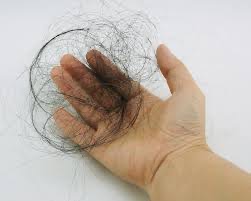
Shedding some hair each day is normal and expected – in fact, shedding 50-100 strands per day is perfectly within the realm of healthy hair. However, if you’re noticing significantly more hair fall or excessive shedding, it could indicate an underlying issue that needs to be addressed. Excessive shedding, if left unchecked, can lead to thinning hair, bald spots, and even permanent hair loss over time.

There are several potential triggers for excessive natural hair shedding, including hormonal changes, stress, nutritional deficiencies, harsh hair care practices, medical conditions, and genetics. Identifying and treating the root cause is key to stopping the excessive shedding and getting your hair health back on track.


What Causes Excessive Hair Shedding?

Hormonal Imbalances
Fluctuations in hormones can drastically impact hair growth cycles and lead to excessive shedding. Some common examples include pregnancy, postpartum, menopause, thyroid disorders like hypo- or hyperthyroidism, polycystic ovary syndrome (PCOS), and starting or stopping hormonal birth control use.

Stress
High levels of psychological stress create a rise in cortisol that can trigger excessive shedding by prematurely pushing more follicles into the resting or “telogen” phase. Major life stressors, physical trauma or illness, poor sleep, and chronic psychological stress can all contribute to this issue.

Nutritional Deficiencies
Not getting enough of key nutrients like protein, iron, zinc, biotin, vitamin C, and vitamin D can disrupt the hair growth cycle and density over time. Nutritional deficiencies often stem from very low-calorie diets, dietary restrictions, poor gut health, or medical conditions that impact nutrient absorption.

Harsh Hair Care
Excessive use of heat styling tools, chemically straightening or relaxing treatments, very tight hairstyles like braids or ponytails, over-manipulation from brushing or styling, and physical or mechanical damage can all traumatize and weaken hair follicles leading to increased shedding.

Medical Conditions
Certain medical conditions are directly linked to excessive hair shedding and hair loss. This includes autoimmune disorders like alopecia areata, scalp infections like ringworm, iron-deficiency anemia, thyroid issues, and occasionally cancer treatments like chemotherapy.

Genetics
For some individuals, excessive shedding and thinning hair is primarily driven by genes and family history of hereditary hair loss patterns like androgenic alopecia or female pattern baldness.

Tips to Stop Excessive Shedding

1. Identify the Root Cause
The first step in stopping excessive shedding is pinpointing the underlying reason why your hair is shedding at an excessive rate. Visiting a dermatologist for hormonal testing, bloodwork, scalp examination, pull tests, and other evaluations can help reveal the trigger.

2. Adjust Your Hair Care Practices
If your excessive shedding seems to be stemming from harsh hair care practices, it’s time to switch to a gentler regimen. Use less heat styling, minimize or avoid chemically straightening or relaxing treatments, be very gentle when detangling, and properly protect hair while sleeping by covering it or using a silk/satin pillowcase.


3. Manage Stress
Since stress is a major contributor to excessive shedding, it’s important to find ways to keep your stress levels in check. Practicing yoga, meditation, deep breathing exercises, and making time for relaxing activities can all help prevent hair-shedding stress.


4. Boost Nutrition
Ensure you’re getting adequate amounts of protein, iron, zinc, biotin, vitamin C, vitamin D and other key nutrients that promote hair growth and strength. If bloodwork reveals any deficiencies, supplement accordingly and focus on a nutrient-dense diet.


5. Try Hair Growth Treatments
For areas experiencing excessive shedding or thinning, use topical treatments containing ingredients like 2% ketoconazole, pumpkin seed oil, rosemary oil, or minoxidil (rogaine) which can help block DHT and stimulate new growth. Low-level light therapy with laser combs or laser caps may also help.


6. Consider Medication
If your excessive shedding is hormonal or stems from a medical condition, your doctor may prescribe medication to help regulate hormones or treat the underlying issue.


7. Use the Inversion Method
An alternative technique that some find helpful for excessive shedding is the inversion method. This involves massaging the scalp while hanging upside down for 2-4 minutes per day to increase blood flow to follicles and potentially reduce shedding.

8. Be Patient and Consistent
With any excessive shedding treatment plan, patience is key. It can take 6-12 months to see full regrowth and notice significant results as new hair cycles through the growth phases. Consistency with the treatment plan is also crucial to allowing new hair to properly regenerate.

If excessive shedding persists for over 6 months despite your best efforts, it’s a good idea to seek medical guidance from a dermatologist or trichologist (hair/scalp specialist). They can run additional tests, try different treatment approaches, and rule out any larger underlying health issues.

While excessive shedding can certainly be frustrating and demoralizing, there are solutions that can help get it under control with some strategic lifestyle adjustments, treatments, and a proactive plan. By addressing the root cause, making hair health a priority, and using clinically-proven regrowth methods, you can absolutely overcome this vexing hair issue.

Posted on Leave a comment

Mastering Gorgeous Wig Hairstyles at Home: A Step-by-Step Guide

If you love the versatility of wearing wigs, you know how transformative different hairstyles can be. But recreating those coveted wig looks at home can sometimes feel daunting. From using the right products and tools to nailing down proper techniques, there’s a bit of a learning curve when it comes to wig styling.

Don’t worry, you’ve got this! With some expert tips and step-by-step guidance, you’ll be achieving stunning wig hairstyles right in the comfort of your own home. In this comprehensive guide, we’ll walk through 5 must-try, on-trend wig styles that are perfect for everything from special occasions to an everyday glam look. Get ready to master these stunning styles!

1. Sleek & Straight Perfection
This chic, polished wig style is a classic that works for any setting or occasion. It’s all about achieving a smooth, ultra-sleek look from roots to ends.


What You’ll Need:
– Wig with straight or straightened hair
– Wig brush or wide-tooth comb
– Wig hairspray or smoothing serum
– High-quality flatiron or straightening iron

Step-by-Step:
a) Start with a clean, detangled wig that has been properly prepped and mounted on a wig head or stand.

b) Apply a wig-safe hairspray or smoothing serum from mid-lengths to ends to reduce frizz and add shine. Avoid applying too much product at the roots to prevent weighing the hair down.

c) Section off the hair into manageable portions, starting from the bottom layers. Using a flatiron set to a lower heat setting (around 300°F for synthetic fiber wigs, up to 400°F for human hair wigs), gradually straighten one-inch sections by slowly pulling the iron from roots to ends.

d) Work your way up the head in sections, straightening all of the hair thoroughly. For a sleek crown, use a fine-tooth comb to create a straight part down the center or side.

e) Once all hair is straight, take the flatiron and gently glide it over the top portion from front to back to set the cuticle and create a glassy finish.

f) Complete the look by applying a light, smoothing wig hairspray all over for added hold and shine.

Pro Tips: Invest in a high-quality flatiron or straightening iron with ceramic plates to prevent damage and evenly straighten wig hair. Allow straightened hair to fully cool before styling to “set” the look.

2. Cascading Bombshell Curls
Face-framing, cascading curls create an undone yet ultra-glamorous wig style that’s perfect for any elegant occasion or event. Achieve this coveted look by following these steps:


What You’ll Need:
– Human hair or high-heat-resistant synthetic wig
– Wig hairspray or heat protectant
– Barrel or wand curling iron (1-inch or larger barrel)
– Wig clips or sectioning clips
– Wide-tooth comb

Step-by-Step:
a) Start with a clean, detangled wig mounted securely on a wig head. Lightly mist all over with a heat protectant spray or wig hairspray to reduce damage and control frizz.

b) Section the hair off into manageable portions, starting with the back lower layers and working upwards towards the crown area in a horseshoe pattern.

c) Using a large-barrel curling iron (1 to 1.25 inches), wrap 1-inch sections of hair around the iron barrel. Be sure to keep the curl sections angling away from the face for a cascading effect.

d) Hold each section tightly wrapped around the barrel for 10-15 seconds depending on the wig hair type. Release and allow curls to cool before moving to the next section.

e) For added definition, lightly mist curls with a flexible hold hairspray and gently rake through with fingers when fully cooled.

Pro Tips: For a more undone, natural curl look, alternate the direction of your curls by wrapping some sections forwards and some backwards as you move through each layer of hair. Consider anchoring the curl pattern with a few flat waved sections around the face.

3. Elegant Braided Updo
Who says braids aren’t meant for wigs? This elegant updo incorporating braids is the perfect blend of sophistication and edgy charm. Rock this on-trend style by following these steps:


What You’ll Need:
– Wig with medium to long length hair
– Rat-tail comb
– Bobby pins or U-pins
– Hairspray or styling cream
– Optional: Hair accessory like jeweled pins or headband

Step-by-Step:
a) Begin by creating a deep side or middle part in the wig hair using the end of a rat-tail comb.

b) Take a small 1-2 inch section from the front hairline on either the left or right side. Apply a styling cream or wig hairspray to provide grip and hold.

c) Starting from the hairline, create a tight Dutch braid along the base of the part line. As you move towards the back, use your fingers to gently pick up and incorporate more hair into the braid as you go.

d) Once you reach just past the ear area, stop incorporating new hair and continue braiding towards the center of the back of the head. Secure the end with an elastic or bobby pin.

e) Gently backcomb the upper crown area of the remaining hair using a comb or brush to create volume and gentle texture. Then loosely gather the hair into a messy bun, tucking ends beneath and securing with pins.

f) Lightly pull apart face-framing pieces around the braided section for a tousled, romantic vibe. Complete the look by securing any loose strands and spraying all over with a flexible wig hairspray.

g) Add accessories like jeweled pins or a sparkly headband to amp up the glam factor!

Pro Tips: Get creative with different braided styles! For a boho flair, try incorporating a loose French braid. For a more sleek updo, create tight cornrow braids wrapped into a neat bun at the nape of the neck.

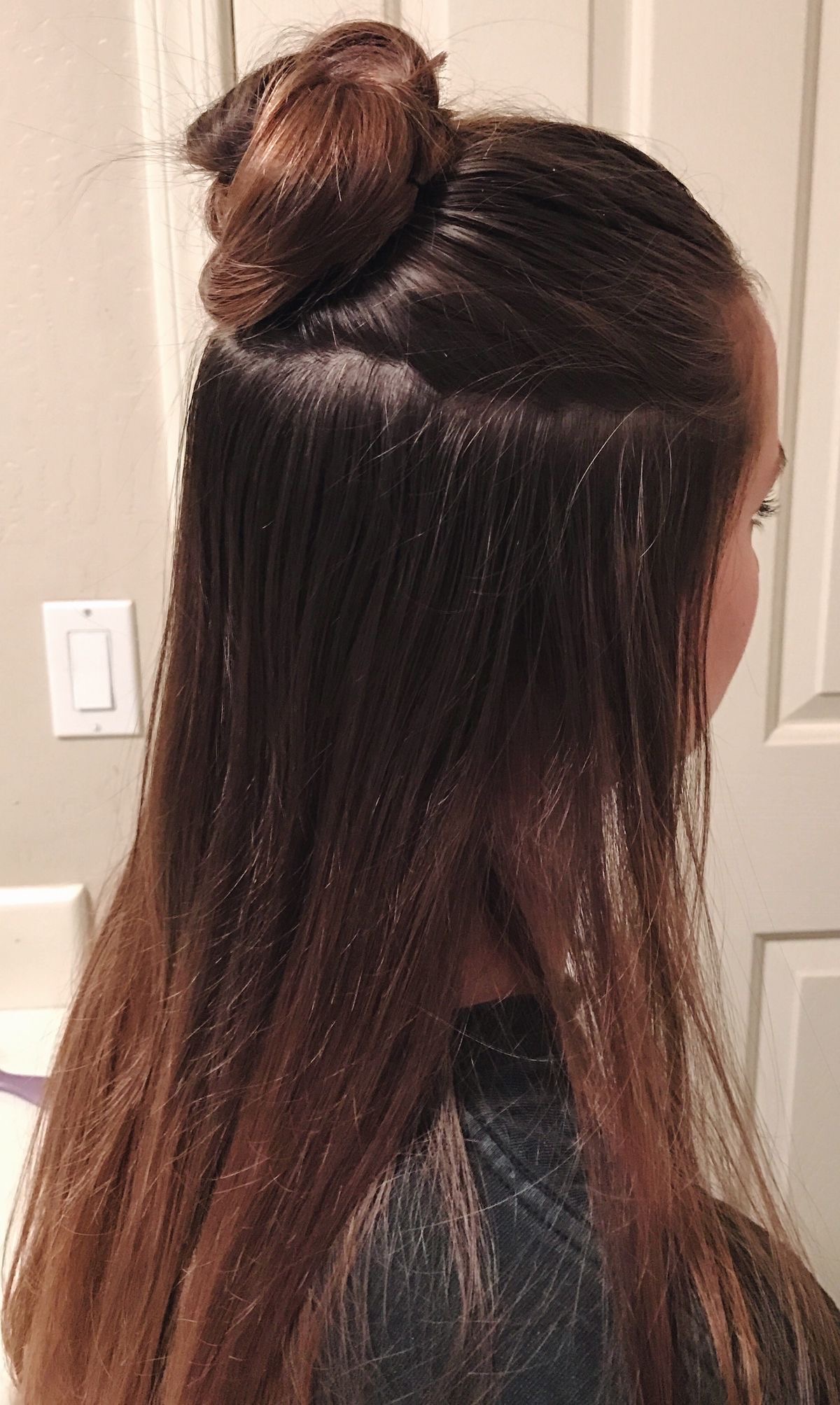
4. Half-Up Knotted Top Knot
This casual-cool, half-up wig style is perfect for an effortless yet chic daytime look. With a few easy techniques, you can rock the trendy top knot hairdo! Here’s how:


What You’ll Need:
– Wig with longer hair
– Texturizing or volumizing hairspray
– Comb or brush
– Hair elastics or scrunchies

Step-by-Step:
a) Start by parting the hair where desired – either a middle or off-center part will work best for this look.

b) Liberally spritz or apply a volumizing product or lightweight wig hairspray to the top half of the wig hair from the part to the crown area. Using a comb or brush, gently backcomb this top section to create lift and gentle volume.

c) On the remainder of the bottom hair, create flowy waves or curls either with a curling iron or wand, or by braiding and setting the hair overnight.

d) Gather all the teased and volumized top hair together into a messy, loose bun or knot right at the crown. Secure with a hair elastic or scrunchie.

e) Gently tug and stretch the bun or knot to create a larger, more tousled shape. Allow shorter face-framing pieces to fall free around the hairline and ears.

f) Finish with an all-over light misting of a flexible hold hairspray to lock in the style.

Pro Tips: For a slicked-back vibe, use a boar bristle brush to smooth hair into a tight knot at the crown and tame flyaways around the face with pomade or serum. Add accessories like claw clips or scarves to amp up the look.

5. Face-Framing Side Swept Waves
Want an effortlessly chic wig style that flatters any face shape? Look no further than glamorous side-swept waves! This sultry yet low-key look can be achieved by following just a few simple steps:


What You’ll Need:
– Wig with longer hair
– Volumizing or texturizing product
– Flat or straightening iron
– Rat-tail comb

Step-by-Step:
a) Begin by parting the hair deeply on one side using the pointed end of a rat-tail comb. The deeper side will create volume while the shorter side frames the face.

b) On the deeper side, liberally apply a volumizing mousse, spray or thickening tonic from the roots to the mid-lengths. Skip applying product on the shorter side.

c) Blow dry the deeper side only using a round brush, directing hair over and away from the face to create amplified volume and lift.

d) Allow the deeper side to cool, then lightly set waves or curls using a straightening or flat iron starting from the mid-lengths to ends. Bend the wefts in alternating wave patterns away from the face.

e) On the shorter side, create tousled bends using the straightening iron by gently turning the wefts inwards towards the face every 4-5 inches. This creates cascading face-framing waves.

f) Complete the look by applying a light-hold wig hairspray and finger styling any flyaways or pieces around the face.

Pro Tips: For a sleeker take on the look, use a smoothing cream or serum instead of a texturizing product and create straighter, more uniform wave patterns on both sides. Part hair towards the more angled side desired.

With these pro-styling tips and tricks in your toolkit, you’ll be able to craft gorgeous, envy-worthy wig hairstyles right at home! It just takes practice, patience and having the right wig-safe tools on hand. Don’t be afraid to experiment and get creative in finding styles that suit your vibe. Stay tuned for even more wig styling guides and tutorials coming soon!

Posted on Leave a comment

How To Maintain Receding Hairline

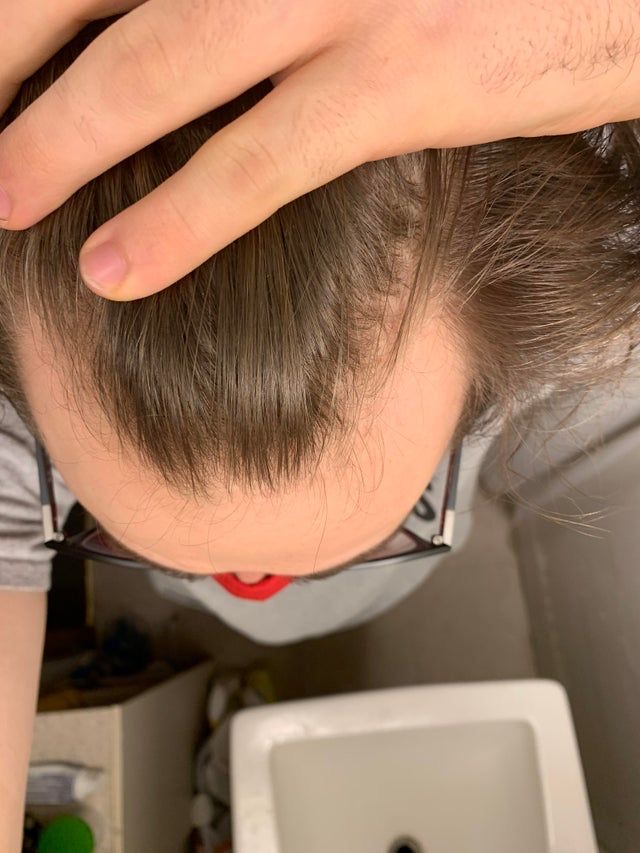
Receding hairline is most common due to genetics and age other factors causes may include stress, diet and medical conditions dealing with receding hairline is no joking and they are mostly caused by age, genetics, illness, health conditions, hair damage due to hairstyles and color hormonal imbalance.

Receding hairline also refers to the thinning or loss of hair on the scalp, particularly at the front and top of the scalp, starting at the temple. It is a disorder that can be caused by many different factors and is more common in men than women. For many, a receding hairline is reversible with treatment.


Causes of receding hairline

Losing hair happens as part of a normal cycle for most people. It is normal to lose approximately 100 hairs a day. The hair slowly and gradually falls out, then new hair grows back again. But in some situations, the cycle doesn’t work the way it should.
✅Genetics
✅Hormone change
✅Surgery
✅Excessive hair styling
✅Poor diet
✅Tumour and so on

Type of receding hairline

1.Female pattern baldness
In women, the pattern of hair loss is usually very different than in men. Usually, females do not have the typical receding hairline that happens at the beginning of male pattern baldness. Instead, women commonly experience thinning on the top and crown of the scalp.

2.Frontal Fibrosing alopecia
Permanent hair loss from the scalp, causing baldness.While the patterns of baldness for men and women differ, they both have a common genetic cause,the exact cause of the condition is unknown
There is no cure for frontal fibrosing alopecia, but medications that slow the loss of hair may be effective in some cases, especially in the early stages of the condition.

3. Traction alopecia
Traction Alopecia is a gradual hair loss resulting from constant pulling from the hair being pulled back into a ponytail, pigtails, or braids. Reducing hair-pulling hairstyles can prevent the condition.

How to maintain receding hairline

1. Changing shampoo
Some shampoo contain harsh ingredients that may lead to hair loss,using medicated shampoo can help encourage hair growth.

2. Hairstyles
Certain hairstyles can put pressure on the hair which leads to hair fall out, hair thinning
Hairstyles that pull the hair include tight braids, ponytails, and too tight cornrows. Protective hairstyles include cornrows, braids and also changing your hairstyles frequently.

3. Balanced diet
Eating a healthy balanced diet helps prevent hair loss. Foods that are rich in vegetables and fresh herbs are really good foods that promote healthy hair growth including eggs,nuts, fatty fish.

4.stress
Stress can cause hair loss, stay physically active, get enough sleep and eat healthy foods.

5.scalp massage
Massaging the scalp also helps a lot

Although having a receding hairline commonly causes concern for both men and women, many people have discovered that there is hope. New medical treatments and procedures on the horizon may help to slow down the process of a receding hairline.

Posted on Leave a comment

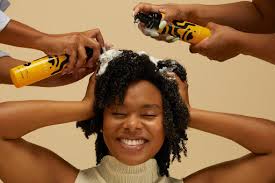
How to Define Your Curls Using Mousse, Curling Cream, and Water

If you’ve been struggling to achieve well-defined, bouncy curls, you’re not alone. Many people battle frizz, lack of definition and dryness when styling their natural curls. The good news? With the right technique and products, you can bring your curls to life.

Mousse, curling cream and water are a powerful trio for achieving soft, well-defined curls with long-lasting hold. Water hydrates, curling cream enhances definition, and mousse locks everything in place without leaving your hair stiff. We’ll walk you through a step-by-step method to help you maximize curl definition while keeping your hair healthy and voluminous. Whether you have loose waves or tight coils, this routine can work wonders. Let’s dive in.

Step-by-Step Guide to Defining Your Curls

Step 1: Start with Clean, Damp Hair

•Wash your hair with a moisturizing shampoo and conditioner.
•Gently squeeze out excess water with a microfiber towel or cotton T-shirt, leaving your hair damp but not dripping wet.

Step 2: Section Your Hair
•Divide your hair into 4–6 sections using clips to make the process easier.

Step 3: Apply Water for Hydration
•If your hair has started drying, spray each section you’re working on with water to ensure it’s evenly damp. This helps with better product absorption.

Step 4: Apply Curling Cream for Definition
•Take a small amount of curling cream and rub it between your palms.
•Brush with a detangling brush to ensure the product is evenly spread
•Make sure to distribute evenly to avoid frizz.

Step 5: Apply Mousse for Hold
•Take a little amount of mousse(appropriate for the section you’re working with) and scrunch it into your curls, focusing on the ends and mid-lengths.
•Scrunch in an upward motion to encourage curl formation.

Step 6: Define Curls (Optional)
•For extra definition, use the finger-coiling method (twisting small sections around your finger) or a Denman brush to enhance your curl pattern.

Step 7: Air Dry or Diffuse
•Let your hair air dry for a natural look, or use a diffuser on low heat to speed up drying while keeping your curls intact.

Step 8: Scrunch Out the Crunch (If Needed)
•Once dry, scrunch your hair with weightless oil or hair lotion to break any stiffness from the mousse and soften your curls.

Achieving beautifully defined curls doesn’t have to be complicated. By using water to keep your hair hydrated, curling cream to enhance definition, and mousse for long-lasting hold, you can create a perfect curl routine tailored to your hair type. The key is to be consistent and patient—curls thrive with proper care and technique!
Remember, everyone’s hair is unique, so don’t be afraid to experiment with product amounts and methods to find what works best for you. Happy styling.

Posted on Leave a comment

Everything You Need to Know Before and After Relaxing Your Hair.

Relaxing your hair can be a transformative experience, giving you smoother, more manageable locks, but it requires thoughtful preparation and aftercare to ensure your hair remains healthy and vibrant. Whether you’re getting your first relaxer or maintaining relaxed hair, there are several essential steps to follow before and after the process. This in-depth guide will walk you through everything you need to know, from pre-relaxing precautions to the ultimate post-relaxing routine.

Before Relaxing Your Hair: Preparation Is Key

Relaxing your hair is not a decision to be taken lightly, and preparation is crucial to minimize damage and ensure the best results. Here’s what you need to do:

1. Assess Your Hair’s Health
Before relaxing your hair, it’s important to evaluate the current state of your strands. Relaxers work by chemically altering the structure of your hair, and if your hair is already damaged, this process could exacerbate the damage. Here’s how you can assess your hair health:

Check for Split Ends: If your ends are split, fragile, or breaking, it’s essential to trim them before relaxing. Relaxing weak hair can cause further breakage.

Strengthen Your Hair: If your hair feels brittle or dry, take a few weeks to nourish it with deep conditioning treatments. Look for protein-rich hair masks to rebuild strength and moisture balance.

Healthy Scalp: Ensure your scalp is in a healthy state. Conditions like dandruff, eczema, or irritation should be treated beforehand to avoid complications during the relaxing process.

2. Choose the Right Relaxer for Your Hair Type
Relaxers come in different strengths and formulations, so it’s vital to select one that suits your hair type:

Mild Relaxer: Best for fine or damaged hair. It won’t straighten the hair as intensely as stronger relaxers, but it can be more forgiving on delicate strands.

Regular Relaxer: Ideal for normal hair textures. This strength is commonly used for hair that isn’t too fine or too coarse.

Super Relaxer: A stronger formula meant for thick, coarse, or resistant hair.

When in doubt, consult with a professional stylist who can recommend the best relaxer based on your unique hair needs.

3. Perform a Strand Test
A strand test is a must to see how your hair will react to the relaxer. This involves applying a small amount of the relaxer to a discreet section of your hair to check for any adverse reactions or excessive damage. This test can help prevent over-processing and ensure your hair can handle the chemicals.

4. Protect Your Skin and Scalp
Relaxers contain harsh chemicals that can irritate the skin. Here’s what you should do to protect your skin and scalp:

Apply Petroleum Jelly or Oil: Generously apply petroleum jelly or a thick oil around your hairline, ears, and neck to prevent the relaxer from touching your skin.

Protective Cap or Towel: Consider wearing a protective cap or towel around your shoulders to prevent any drips or accidental relaxer spillage.

5. Choose a Professional Stylist
If you’re not experienced with relaxing your own hair, it’s highly recommended to go to a professional stylist who knows how to apply relaxers safely. A professional will ensure that the relaxer is applied evenly and that the processing time is not exceeded, which can cause damage.

During Relaxing: The Process

1. Section Your Hair
Divide your hair into small sections to allow the relaxer to be applied evenly. Work in manageable sections, making sure the relaxer is spread from root to tip.

2. Timing is Everything
The timing for how long you leave the relaxer in your hair depends on the strength of the product and your hair type. Over-processing can lead to severe damage, so it’s essential to follow the instructions carefully. A professional stylist will monitor the time closely to avoid over-relaxing.

3. Rinse Thoroughly
Once the processing time is complete, rinse the relaxer out with lukewarm water, making sure to remove all traces of the product. This is a crucial step to prevent further chemical reactions.

4. Neutralize
Most relaxers come with a neutralizing shampoo designed to stop the chemical process. Make sure to use this shampoo as instructed to balance your hair’s pH and prevent hair damage.

After Relaxing Your Hair: Maintenance and Care

Once your hair is relaxed, it’s crucial to follow a meticulous aftercare routine to preserve your new look and protect your hair from breakage and dryness.

1. Deep Condition Immediately
After relaxing, your hair will be in need of moisture and nourishment. Apply a deep conditioning treatment right after rinsing out the relaxer to restore moisture and elasticity. You can use store-bought deep conditioners or opt for a DIY treatment using oils such as coconut, jojoba, or avocado oil.

2. Limit Heat Styling
While it’s tempting to use hot tools to style your relaxed hair, try to limit the use of heat immediately after relaxing. Your hair will be more susceptible to heat damage, so give your strands a break from blow dryers, flat irons, and curling irons. If you must use heat, always apply a heat protectant.

3. Moisturize Regularly
Relaxed hair tends to be drier than natural hair, so moisturizing is critical. Look for a leave-in conditioner or a moisturizing cream that suits your hair type. Make sure to apply it to damp hair and seal in the moisture with a light oil. You may also want to try oil treatments or hot oil treatments once a week.

4. Trim Regularly
Relaxed hair requires frequent trimming to avoid split ends and breakage. The chemicals in the relaxer can weaken hair, so trimming every 6-8 weeks will keep your hair healthy, even, and free from damage.

5. Be Gentle When Detangling
Relaxed hair is more fragile than natural hair, so be extra careful when detangling. Use a wide-tooth comb or your fingers to gently remove knots and tangles. Work in sections and always detangle from the tips upward to prevent breakage.

6. Protect Your Hair at Night
To keep your relaxed hair smooth and reduce frizz, it’s essential to protect it while sleeping. You can:
Wear a Satin or Silk Scarf: This prevents your hair from rubbing against rough cotton pillowcases, which can cause breakage and dryness.
Use a Satin or Silk Pillowcase: If you don’t like wearing a scarf, consider investing in a satin or silk pillowcase, which is gentle on your hair and helps retain moisture.

7. Avoid Chemical Overload
After relaxing your hair, avoid using harsh chemical treatments like perms, hair dyes, or other relaxers for at least 6-8 weeks. Your hair needs time to recover from the chemical process.

8. Protect Your Hair from the Elements
Sun, wind, and cold weather can all cause damage to your relaxed hair. When going out in the sun, protect your hair with a hat, or apply a UV-protectant spray to shield it from the harsh rays. Similarly, during winter, ensure your hair is moisturized and covered to avoid dryness and brittleness.

9. Stay Consistent with Your Routine
To maintain the health of your relaxed hair, consistency is key. Stick to a regular hair care routine that includes deep conditioning, moisturizing, trimming, and gentle detangling. Over time, this will keep your hair strong and looking great.

Things to Avoid After Relaxing Your Hair

1. Don’t Wash Too Often
Washing your hair too frequently can strip it of its natural oils, leaving it dry and prone to breakage. Aim to wash your hair no more than once a week, or every 10 days, depending on your hair’s needs.

2. Avoid Over-Processing
If you are relaxing your hair more than once a year, you risk over-processing. Stick to relaxing every 8-12 weeks to ensure your hair doesn’t become overly weak or damaged.

3. Don’t Neglect Your Scalp
While it’s easy to focus on hair length and texture, the scalp is just as important. Keep your scalp clean and healthy, but avoid harsh scrubbing or scratching, which can irritate the skin.

Relaxing your hair can be a rewarding way to achieve sleek, smooth strands, but it requires proper preparation and consistent care to maintain its health and beauty. By following these essential steps before and after relaxing your hair, you can ensure that your relaxed tresses remain vibrant, strong, and manageable for the long haul. With the right routine, your hair will continue to thrive and look gorgeous with every pass of the relaxer.

Posted on Leave a comment

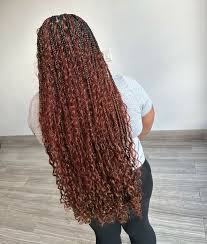
How to care for Human hair Mermaid braids

1.Detangle Gently

Comb Before Washing: Use a wide-tooth comb or your fingers to gently remove any tangles. Start from the ends and work your way upward.

Then use a denman brush to make sure the human hair bundles part is properly detangled.

2.Washing

Use lukewarm water and a moisturising sulphate-free shampoo.

Shampoo twice and rinse it out properly to ensure no residue remains.

3.Condition the Wig

Apply a moisturising conditioner evenly, concentrating on the bundles part of the braids.

Let It Sit: Allow the conditioner to sit for about 3–5 minutes.

Rinse Again: Thoroughly rinse with cool water until the conditioner is completely removed.

4. Dry the Wig

Gently Remove Excess Water: Press the braids and hair between two clean towels to absorb water. Do not twist or wring.

5.Apply a few drops of hair serum for moisture and brush with a denman brush

6.Air Dry or Blow dry on medium-low heat

Optional

Style: Once dry, you can gently comb through or style your mermaid braids as desired.

Posted on Leave a comment

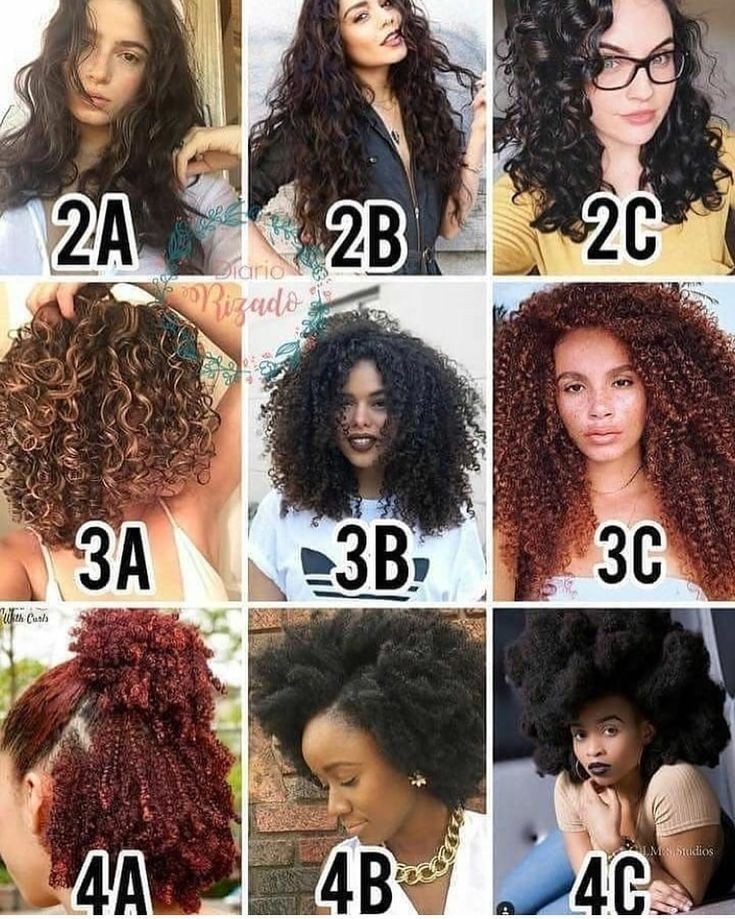
Curly, Kinky, or Coily: Understanding Your Natural Hair Type

When it comes to natural hair, one of the most important aspects of hair care is understanding your specific hair type. Natural hair comes in many textures, ranging from loose curls to tight coils, and each type requires a different approach to care. Understanding whether your hair is curly, kinky, or coily is essential for developing a personalized hair care routine that keeps it healthy, beautiful, and manageable. This guide will explore the differences between these hair types, how to identify your own, and how to care for each type to achieve its best potential.

The Science of Hair Texture

Hair texture is primarily determined by the shape of your hair follicle. People with round follicles typically have straight hair, while those with oval or asymmetrical follicles tend to have curly or coily hair. The tighter the curl or coil, the more oval or irregular the follicle tends to be. This also affects how the hair grows, how it reacts to products, and the amount of moisture it can retain.

In general, there are three main categories of natural hair textures:

Curly Hair
Kinky Hair
Coily Hair

Within each category, there can be a variety of sub-textures, ranging from loose waves to tight, defined curls or coils.

Curly Hair: Defined Loops and Bouncy Curls

Curly hair is often described as having defined loops or ringlets. The curls are generally more uniform, with each strand forming a circular or spiral shape. Curly hair can be thick, fine, or medium in texture, but it tends to have a natural bounce that makes it more voluminous and dynamic.

Characteristics of Curly Hair:

Shape: Loose, well-defined S-shaped curls.

Pattern: Curls are uniform in size and pattern.

Porosity: Curly hair tends to be medium-porosity, meaning it can absorb and retain moisture fairly well, but might also be prone to frizz in humid environments.

Shrinkage: Curly hair experiences moderate shrinkage as the curls draw up when wet or after washing.

Manageability: Curly hair can be both easy and challenging to manage. While the texture tends to be soft, it can be prone to frizz and needs to be moisturized regularly.

Care Tips for Curly Hair:

Shampooing: Use a sulfate-free shampoo to prevent stripping your curls of their natural oils. Consider co-washing (conditioner-only washing) if your hair is on the drier side.

Conditioning: Deep conditioning is essential for keeping curly hair hydrated. Choose a rich, moisturizing conditioner to ensure curls stay defined and soft.

Styling: Use a leave-in conditioner or curl cream to define and enhance curls. Consider finger-coiling for more defined curls or using a diffuser to dry your hair without disturbing the curl pattern.

Kinky Hair: Thick, Z-shaped Curls

Kinky hair, also known as “type 4” hair, is often the most misunderstood and underrepresented natural texture. It is characterized by tightly coiled or zig-zag-shaped strands that can range from soft, fine hair to coarse, dense hair. Kinky hair can look very different depending on how tightly the coils are wound, but it is generally much tighter than curly hair.

Characteristics of Kinky Hair:

Shape: Z-shaped, tightly coiled or zig-zag pattern.

Pattern: Each strand may appear to grow in a tight spiral, making it difficult to see the individual curl at first glance.

Porosity: Kinky hair tends to be dry because it has difficulty retaining moisture due to the tightness of the coils. It is usually low-porosity, meaning it takes longer to absorb moisture.

Shrinkage: Kinky hair experiences significant shrinkage—up to 75%—as the coils tighten when wet.

Manageability: Kinky hair is typically very dense and can be coarse, making it both more resilient and more prone to breakage if not properly cared for. However, with the right products and techniques, kinky hair can be incredibly versatile and beautiful.

Care Tips for Kinky Hair:

Shampooing: Use a sulfate-free shampoo to prevent moisture loss. It’s also helpful to clarify once a month to remove product buildup.

Conditioning: Regular deep conditioning treatments are essential for maintaining moisture in kinky hair. Look for heavy creams or oils that provide intense hydration.

Moisturizing: Kinky hair thrives on moisture. Use a daily leave-in conditioner or hair oil (such as castor oil or argan oil) to seal in moisture and prevent dryness.

Styling: Protective styles like twists, braids, or buns are great for minimizing breakage and retaining length. Consider doing the “LOC” method (liquid, oil, cream) to keep your hair hydrated and defined.

Coily Hair: Tight, Springy Curls

Coily hair, which can often be confused with kinky hair, is a tighter, more defined texture with curls that resemble springs or corkscrews. This hair type is often found in people with African heritage, though it can appear in various ethnic groups. Coily hair can be both fine and coarse, but it is generally more delicate than kinky hair due to the tightness of the curl.

Characteristics of Coily Hair:

Shape: Tight corkscrews, spiral curls, or zig-zag patterns.

Pattern: Curls are usually tighter and more defined, with less volume than curly or kinky hair.

Porosity: Coily hair is usually low-porosity, meaning it requires more effort to hydrate and retain moisture.

Shrinkage: Coily hair experiences significant shrinkage, often compressing up to 75% of its actual length.

Manageability: Coily hair is delicate and can be prone to breakage, but when properly moisturized, it can have an incredibly healthy and bouncy appearance.

Care Tips for Coily Hair:

Shampooing: Like other natural hair types, coily hair should be washed with a sulfate-free shampoo. Avoid shampooing too frequently, as it can dry out the hair.

Conditioning: Coily hair loves moisture, so using a rich, hydrating conditioner and deep conditioner is key. Look for products that help define curls without weighing them down.
Moisturizing: To maintain moisture, apply hydrating creams, oils, or butters. Products like shea butter, jojoba oil, and coconut oil work well for coily hair.

Styling: To maintain curl definition, coily hair can benefit from styling creams, curl gels, and other products designed to keep the coils from losing their shape. For the healthiest results, avoid excessive heat styling and opt for air-drying, twist-outs, or flexi-rod sets.

How to Determine Your Hair Type

Understanding your natural hair type can be tricky, especially since hair can fall into multiple categories or change over time due to various factors (like product usage or environmental conditions). However, knowing the general shape of your curl pattern is the first step. To identify your hair type, consider the following:
Observe the Curl Pattern: Wet your hair, and notice how it behaves. Is it loose and bouncy (curly), tight and springy (coily), or zig-zagged (kinky)?
Analyze Your Hair’s Texture: Is your hair fine or coarse? Fine hair may look different when curled than coarse hair.
Shrinkage: Measure how much your hair shrinks when wet. Coily and kinky hair tends to shrink more than curly hair.
It’s also helpful to take a strand test: Take a small section of hair and stretch it. The tighter the curl, the more likely it is to fall under coily or kinky.

Understanding your hair type—whether curly, kinky, or coily—gives you the tools to build a hair care routine that enhances the natural beauty of your hair. Each texture comes with its unique needs, but with the right products and care techniques, all textures can thrive and flourish. The key is moisture, regular maintenance, and learning to love your natural texture. Whether you’re rocking bouncy curls, springy coils, or beautiful zig-zags, embrace your hair’s uniqueness, and remember: natural hair is beautiful in all its forms.

Posted on Leave a comment

How Often Should You Wash Your Wig?

Wigs have become an essential part of many people’s lives, offering versatility, convenience, and an opportunity to experiment with different styles. Whether you’re wearing wigs for medical reasons, fashion, or simply as a way to change up your look, proper maintenance is key to keeping your wig looking fresh and feeling comfortable.

One of the most common questions that wig wearers ask is: How often should you wash your wig? While this may seem like a simple question, the answer depends on a number of factors, including the type of wig, how frequently it’s worn, and the materials it’s made from. In this extensive guide, we’ll explore the different aspects of wig care, how to maintain your wig’s appearance, and how often you should wash it to keep it in top condition.

Understanding Different Types of Wigs

Before diving into how often you should wash your wig, it’s important to know what type of wig you have. Wigs come in two main categories: synthetic wigs and human hair wigs, and the care for each differs. Additionally, within these categories, there are different subtypes, including lace front wigs, full wigs, and more.

1. Synthetic Wigs
Synthetic wigs are made from man-made fibers, such as polyester or acrylic. These wigs are popular because they are often more affordable than human hair wigs and come pre-styled. They retain their shape even after washing, making them a low-maintenance option. However, because they are made from synthetic fibers, they can be more prone to tangling, heat damage, and wear over time.

2. Human Hair Wigs
As the name suggests, human hair wigs are made from real human hair. These wigs tend to look and feel more natural, can be styled with heat tools, and typically last longer than synthetic wigs. However, they require more maintenance and care, including frequent washing to keep them looking their best.

Factors to Consider When Deciding How Often to Wash Your Wig

The frequency with which you wash your wig depends on several factors. These include the type of wig, how often you wear it, your lifestyle, and the environmental conditions in which the wig is worn.

1. How Often Do You Wear Your Wig?
If you wear your wig daily or for extended periods, you may need to wash it more frequently than if you wear it only occasionally. The natural oils from your scalp, dirt, sweat, and other environmental factors can build up on your wig, especially if you wear it all day.

If you wear your wig frequently, aim to wash it every 7 to 10 wears. However, if you wear it occasionally or for special events, you can go much longer between washes, perhaps up to once a month, depending on how much buildup accumulates.

2. Are You Exposed to Sweat, Dirt, or Products?
If you’re in a humid environment, working out, or using styling products such as hairspray or gel, you’ll need to wash your wig more often to remove product buildup and any dirt or oils that accumulate. On the other hand, if you wear your wig in a more controlled environment, such as indoors with little sweat or product use, you can extend the time between washes.

3. The Type of Wig and Hair Material
The material your wig is made from directly influences how often you should wash it.
Synthetic Wigs: These don’t require frequent washing since they don’t accumulate natural oils or sweat in the same way human hair does. As a general rule, synthetic wigs should be washed after 6 to 8 wears. Over-washing can damage the fibers, leading to a loss of their shape or texture.

Human Hair Wigs: These wigs require more frequent washing compared to synthetic wigs. Ideally, human hair wigs should be washed after every 7 to 10 wears. If you wear it every day, washing it once a week is a good idea. However, if you’re using a lot of products or styling tools, consider washing it more often.

4. Climate and Environment
Your surroundings also play a major role in how frequently you should wash your wig. For example, if you live in a humid area or a place where pollution levels are high, your wig may get dirty or greasy more quickly. Similarly, if you frequently wear wigs in smoky or dusty environments, they will require more attention.

Signs That Your Wig Needs a Wash

Even though there’s no hard-and-fast rule about when to wash a wig, there are clear signs to look for when it’s time for a wash. Here are some indications that your wig could use a good cleaning:
Greasy or Oily Texture: If your wig starts to feel greasy or oily, it’s time for a wash. This usually happens with human hair wigs that accumulate natural oils from your scalp, or synthetic wigs that are exposed to sweat.

Tangles and Matting: If your wig starts to tangle or mat, it could be because of dirt, product buildup, or exposure to humidity. Washing the wig gently can help remove these tangles.

Funky Odor: A musty or unpleasant smell from your wig can be a sign of sweat, dirt, or product buildup. Washing your wig can help eliminate odors.

Loss of Luster: Over time, wigs can lose their shine, making them look dull. Regular washing, conditioning, and proper care can restore some of the original luster.

How to Wash Your Wig Properly

Washing a wig is a delicate process, especially when considering that improper washing can shorten its lifespan. Whether you have a synthetic or human hair wig, here’s a step-by-step guide on how to wash your wig:

1. Detangle the Wig
Before washing, gently detangle your wig with a wide-tooth comb or your fingers. This prevents knots and tangling during the wash process. Be extra careful when detangling synthetic wigs to avoid damaging the fibers.

2. Prepare the Wash Basin
For human hair wigs, fill a basin with lukewarm water and add a gentle shampoo. For synthetic wigs, use a specific synthetic wig shampoo. Avoid using regular shampoos as they can be too harsh for wigs.

3. Wash the Wig
Submerge the wig in the water, gently swishing it around to cleanse the fibers. Do not rub or twist the wig, as this can damage the fibers. For synthetic wigs, simply rinse with cold water, as hot water can damage the fibers.

4. Condition the Wig
Conditioning your wig, especially human hair wigs, is essential for maintaining softness and manageability. Apply a small amount of conditioner to the wig, focusing on the ends. Allow the conditioner to sit for a few minutes before rinsing it out.

5. Dry the Wig
After washing, gently pat the wig with a towel to remove excess water. Never wring the wig. For human hair wigs, allow them to air dry on a wig stand or mannequin head. Synthetic wigs should also be air-dried, as heat can damage the fibers. Avoid using hair dryers or other heat styling tools unless the wig is specifically designed for heat styling.

6. Styling
Once dry, gently comb and style the wig as desired. For synthetic wigs, avoid heat styling tools unless the wig is labeled as “heat-friendly.”

Tips for Maintaining Your Wig Between Washes

Washing a wig too frequently can wear it down, especially for synthetic wigs. Here are some tips to keep your wig fresh in between washes:

Use a Wig Cap: Wearing a wig cap under your wig helps absorb sweat and oils, preventing them from reaching the wig.

Dry Shampoo: A good dry shampoo can freshen up your wig and absorb oils without having to wash it.
Storage: Always store your wig properly when you’re not wearing it. A wig stand or mannequin head helps maintain its shape.

Avoid Over-Styling: Refrain from using heat or excessive styling products on your wig unless absolutely necessary.

So, how often should you wash your wig? The answer depends on your lifestyle, the type of wig, and how often you wear it. Synthetic wigs typically require less frequent washing than human hair wigs. As a general rule, wash your wig every 7-10 wears, or when you notice buildup, tangling, or an odor. With the right care and maintenance, your wig will stay looking fresh, natural, and ready to wear for longer.

Whether you’re sporting a sleek synthetic style or a luscious human hair wig, proper washing and care are essential to keep your wig looking as beautiful as the day you bought it. Make sure to follow the care instructions specific to your wig type and enjoy your new look for as long as possible.

Posted on Leave a comment

How to Prevent Static in Synthetic Wigs.

Wigs are a popular and versatile solution for many people, offering the ability to change your look without making permanent changes to your natural hair. Whether you’re sporting a synthetic wig for fashion, convenience, or medical reasons, it’s crucial to care for it properly to ensure it always looks its best. However, one of the most common problems synthetic wig owners face is static electricity. Static can leave your wig looking frizzy, messy, and downright unmanageable, especially in cold or dry weather conditions.

In this extensive guide, we will walk you through everything you need to know to prevent static buildup in synthetic wigs and maintain your wig’s sleek, smooth, and natural appearance over the long term. By following these tips and tricks, you can enjoy your synthetic wig without the hassle of unwanted frizz or flyaways.

Understanding the Science of Static Electricity in Synthetic Wigs

Before diving into the solutions, it’s important to first understand why static electricity affects synthetic wigs. Static buildup occurs when there’s an imbalance of electric charges between two objects, which results in them either attracting or repelling each other.

Synthetic wigs are typically made from fibers such as polyester, acrylic, or nylon. These materials are designed to resemble natural hair but do not have the same moisture content as human hair. The absence of natural oils in synthetic fibers makes them more prone to drying out, which can make static problems worse. Additionally, the fine synthetic fibers often rub against each other or the wearer’s clothing, generating an electrostatic charge that causes the fibers to repel one another. This results in the annoying flyaways and frizzy texture that so many wig wearers experience.

Environmental factors play a significant role as well. Dry weather, especially during winter months when indoor heating is in full use, strips the air of moisture. This, in turn, creates a more favorable environment for static electricity to build up, exacerbating the issue. Now that we know what causes static, let’s explore how to effectively prevent it.

1. Proper Conditioning Is Key

Just like your natural hair, synthetic wigs need to be kept moisturized to maintain their softness and prevent static. While synthetic fibers don’t benefit from natural oils, they can still be hydrated with the right products. Proper conditioning is one of the most essential steps in ensuring your wig stays smooth and static-free.

Using Synthetic-Specific Conditioners

Avoid using traditional hair conditioners, as they can weigh down the synthetic fibers, causing the wig to look greasy or limp. Instead, opt for conditioners specifically formulated for synthetic wigs. These conditioners typically come in spray or leave-in formulations and are designed to hydrate the fibers without making them sticky.

Apply a light mist of synthetic wig conditioner evenly across the hair, focusing more on the ends, which tend to get drier. Be careful not to oversaturate the wig, as too much conditioner can result in a greasy appearance or attract dust and dirt. Conditioning your wig every time you wash it will not only reduce static but also help the fibers maintain their natural luster and manageability.

2. Anti-Static Sprays Are Your Best Friend

One of the most direct and effective ways to combat static in synthetic wigs is to use anti-static products designed for wigs. Anti-static sprays work by neutralizing the electrical charges that cause the fibers to repel each other. These products are quick and easy to use and can have an immediate effect on frizz and flyaways.

How to Use Anti-Static Spray

Anti-static sprays for wigs are usually applied in light, even layers. Hold the bottle about 6-8 inches away from the wig and mist the spray lightly over the entire surface. Make sure not to oversaturate the fibers, as this can make the wig feel damp or heavy. Once applied, comb through the wig gently with a wide-tooth comb to distribute the spray and ensure an even coverage.

Some wig wearers prefer to use an anti-static brush in addition to or instead of the spray. These brushes are designed with conductive bristles that help dissipate static buildup as you brush through the wig. An anti-static brush can also smooth down any flyaways, making your wig look sleeker and more natural.

Choose the Right Product

When selecting an anti-static product for synthetic wigs, be sure to choose one that’s specifically made for synthetic fibers. Some regular anti-static sprays or household products may contain ingredients that could damage the wig or reduce its lifespan.

3. Avoid Excessive Heat and Styling

Many synthetic wigs are heat-resistant to some extent, but they are not immune to damage from excessive heat. While human hair can be styled with hot tools like flat irons, curling irons, and blow dryers, synthetic fibers can melt or become misshapen if exposed to too much heat. The damage caused by heat styling can leave the fibers more prone to static, especially if the wig becomes dry or brittle.

Stick to Low Heat or No Heat

If you must use heat on your synthetic wig, always ensure the tools are set to a low temperature. Most synthetic wigs are heat-resistant up to around 300°F (150°C), so it’s crucial to use tools that operate at lower temperatures. For example, some synthetic wigs can be styled with curling irons or flat irons set to a very low temperature to create soft waves or curls, but extreme heat should be avoided at all costs.

If you prefer a more gentle styling method, consider using non-heat styling techniques such as Velcro rollers or braid-setting the wig overnight to achieve natural waves. These methods are less likely to damage the wig and will keep it free from static caused by heat exposure.

4. Keep Your Wig Moisturized

If you want to prevent static in your synthetic wig, you must address dryness. Dry synthetic fibers are more likely to become static-prone. While conditioners provide hydration, sometimes a wig-specific moisturizing spray or serum can help maintain optimal moisture levels, preventing the fibers from becoming too dry and brittle.

Moisturizing Sprays and Serums

There are various moisturizing sprays and serums designed specifically for synthetic wigs. These products work by sealing moisture into the fibers, which helps keep them smooth and shiny. When applying these products, focus on the ends of the wig, as they tend to be drier than the roots.

Be careful to choose a lightweight formula, as heavy oils or serums can weigh the wig down and make it look greasy. Also, use these products sparingly—just a light mist should be enough to keep the wig hydrated and static-free.

For a more natural approach, you can mix a small amount of leave-in conditioner with water in a spray bottle, creating a DIY moisturizing spray. This can also help restore some shine to the wig while preventing static.

5. Gentle Brushing and Combing Techniques

The way you comb or brush your synthetic wig can also play a significant role in controlling static. Using the right tools and brushing techniques can help prevent tangling and minimize the friction that leads to static buildup.

Wide-Tooth Comb vs. Fine-Tooth Comb

Always use a wide-tooth comb or a wig-specific brush when detangling your synthetic wig. A fine-tooth comb can cause the fibers to snap, break, or become frizzy, which increases the likelihood of static. On the other hand, a wide-tooth comb works gently through the hair, reducing friction and minimizing static buildup.

Combing should always be done from the tips of the hair and gradually work your way up toward the roots. Be patient, and never pull or tug on the fibers, as this can cause breakage and disrupt the wig’s shape.

Anti-Static Brushes

Anti-static brushes are another excellent tool for keeping your synthetic wig smooth. These brushes are designed with bristles that help dissipate static as you brush. By regularly brushing your wig, you can reduce flyaways and keep the fibers tangle-free, ensuring the wig looks natural and static-free throughout the day.

6. Proper Storage and Maintenance

Proper storage of your synthetic wig is crucial in preventing static and preserving its overall condition. Storing your wig improperly—whether by throwing it in a drawer or leaving it exposed to harsh environmental conditions—can lead to static, tangling, and wear.

Use a Wig Stand or Mannequin Head

When you’re not wearing your wig, always store it on a wig stand or a mannequin head. This helps the fibers retain their shape, reduces friction, and prevents tangling. It’s also a great way to keep the wig from accumulating dust and static from being folded or crushed.

If you need to store the wig in a drawer or box, use a breathable wig bag or storage container to protect the fibers. Avoid using plastic bags, as they can trap moisture and lead to the fibers becoming damp and static-prone.

Maintain Humidity Levels

If you live in an area with low humidity or experience cold, dry winters, consider using a humidifier in your home. Dry air exacerbates static buildup, so maintaining an optimal level of humidity can make a significant difference in keeping your wig static-free.

7. Consider the Quality of the Synthetic Fiber

The quality of the synthetic fiber plays a huge role in how prone a wig will be to static buildup. Higher-end synthetic wigs, such as those made from Kanekalon or Toyokalon fibers, tend to be more resistant to static and frizz. These fibers not only look more natural but also have a smoother texture that helps prevent tangling and static accumulation.

If you’re finding that static is a constant problem with your synthetic wig, it may be worth investing in a higher-quality piece. A good quality wig will last longer, require less maintenance, and perform better when it comes to static control.

Static in synthetic wigs can be a frustrating problem, but with the right care, it’s completely manageable. By moisturizing your wig, using anti-static products, avoiding excessive heat, and brushing with the proper tools, you can maintain a smooth, frizz-free look. Proper storage and maintenance also play a significant role in preventing static, ensuring that your wig stays in great condition for years to come.

Remember that wigs, like natural hair, require attention and proper care. With the tips provided in this guide, you can combat static and enjoy a polished, natural-looking wig that enhances your appearance without the stress of frizz or flyaways.

0